Europe Drops Its Restaurant Olive Oil Cruet Ban
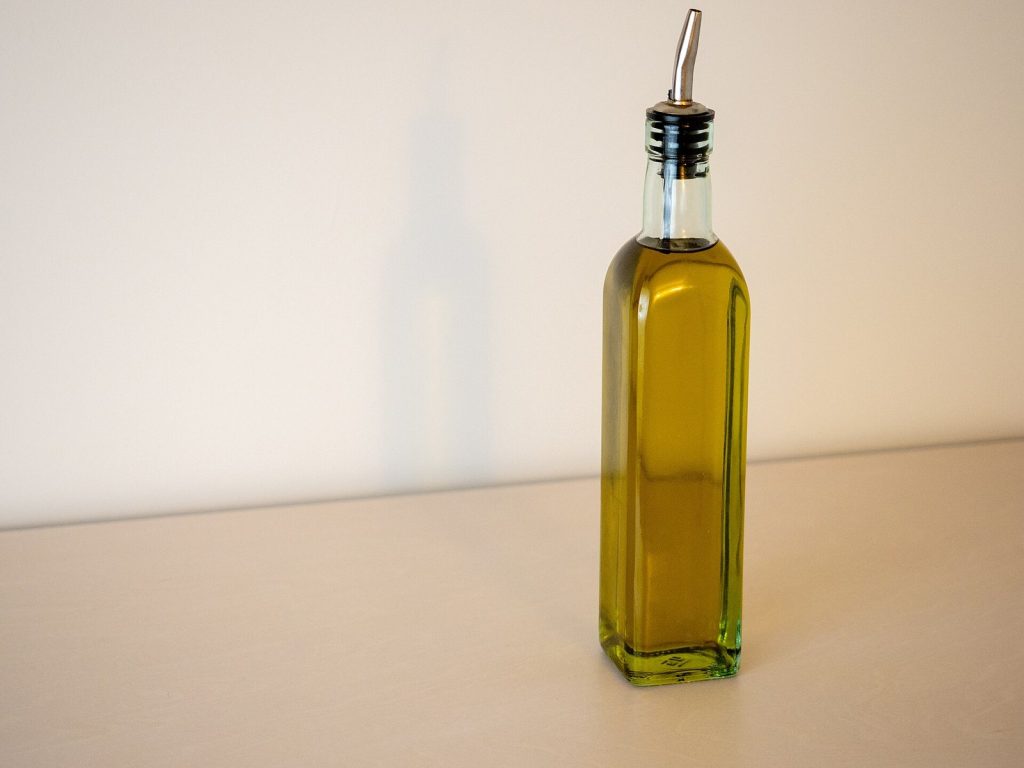
The European Commission has dropped its plan to ban refillable olive oil cruets and dipping bowls on restaurant tables, barely a week after the measure went through a committee vote in Brussels. Agriculture Commissioner Dacian Cioloș announced the withdrawal on Thursday, May 23, promising a new proposal after talks with restaurants and consumers. Here is what the rule would have done, why it collapsed, and what it tells us about the oil on restaurant tables.
What happened
The ban was part of a package of changes to the European Union’s olive oil marketing rules, which grew out of the olive oil action plan Commissioner Cioloș presented last June. From January 1, 2014, oil served to customers in hotels, restaurants and bars would have had to come in a factory-sealed container with an opening that cannot be resealed and a system that stops it being refilled once empty. The same package set minimum letter sizes for label information: 2 mm on containers up to 25 cl, 3 mm up to one liter and 4 mm above that.
When the package went to the committee of member state experts in mid-May, it did not win a qualified majority. According to Olive Oil Times, the count was 195 weighted votes in favor, 94 against and 53 abstentions. Fifteen countries backed it, including the big producers Spain, Italy, Greece and Portugal. Nine voted against, among them Germany, the Netherlands, Denmark and Sweden, and the United Kingdom, Belgium and Hungary abstained. Under EU procedure that left the Commission free to adopt the rules on its own, and it said it would publish them by mid-June.
Why it collapsed
The reaction outside the producing countries was swift and, in Britain especially, scornful. Prime Minister David Cameron called it “exactly the sort of thing that Europe shouldn’t even be discussing.” Dutch Prime Minister Mark Rutte said it was “incomprehensible” to propose such a thing at a time like this. British restaurant groups worried about cost, and the Sustainable Restaurant Association warned of waste and packaging.
A week later the Commissioner backed down. He said he wanted to talk to restaurants and consumers first and then come back with a new proposal. The European farm lobby Copa-Cogeca, which had publicly supported him that morning, said afterwards that it regretted the withdrawal and blamed political pressure. Italy’s farmers’ union Coldiretti condemned the U-turn and pointed out that Italy’s own national rules on restaurant bottles, in force since February, still apply.
| Position in the May vote | Countries named |
|---|---|
| For (15) | Including Spain, Italy, Greece, Portugal, France, Cyprus, Ireland, Slovenia, Slovakia, Poland, Czech Republic, Latvia, Lithuania, Romania |
| Against (9) | Austria, Bulgaria, Denmark, Estonia, Finland, Germany, Luxembourg, Netherlands, Sweden |
| Abstained (3) | Belgium, United Kingdom, Hungary |
Was the ban a bad idea?
The idea behind it was not silly, even if the politics were clumsy. An unlabeled cruet on a restaurant table can hold anything: good extra virgin, cheap refined oil, a blend, or oil that has been sitting in the sun since spring. The customer has no way to tell. Producers in the south see the cruet as the place where their product’s reputation gets quietly damaged, one bread basket at a time.
The objections were not silly either. Single-use bottles cost money and create waste, and a good restaurant that fills its cruets from a decent tin every day was being treated the same as one topping up with whatever is cheapest.
- If the oil on the table matters to you, ask what it is. A good kitchen will happily show you the bottle.
- Oil that tastes flat, greasy or like crayons has been kept too long or too warm, whatever the label once said.
- Flavored oils with herbs or chili were never covered by the ban in the first place.
Most of the bad oil in restaurant cruets is not fraud, it is neglect. Clear glass, a sunny window, a cruet topped up for months without ever being emptied and washed, and the oil at the bottom goes rancid while the top keeps getting refreshed. A sealed bottle fixes that by accident. So does a kitchen that treats oil like fresh produce.
Sources
- The Irish Times: Proposal to ban use of refillable olive oil vessels in restaurants slips from European Commission agenda (May 24, 2013)
- Restaurant Online: Olive oil ban, refillable jugs and dipping bowls (May 22, 2013)
- Olive Oil Times: Europe to Ban Refillable Olive Oil Cruets in Restaurants
- Olive Oil Times: Cioloş U-Turn Surprises Farmers’ Union (May 23, 2013)