Olive Japan 2013: Nine Oils Take the Top Award in Tokyo
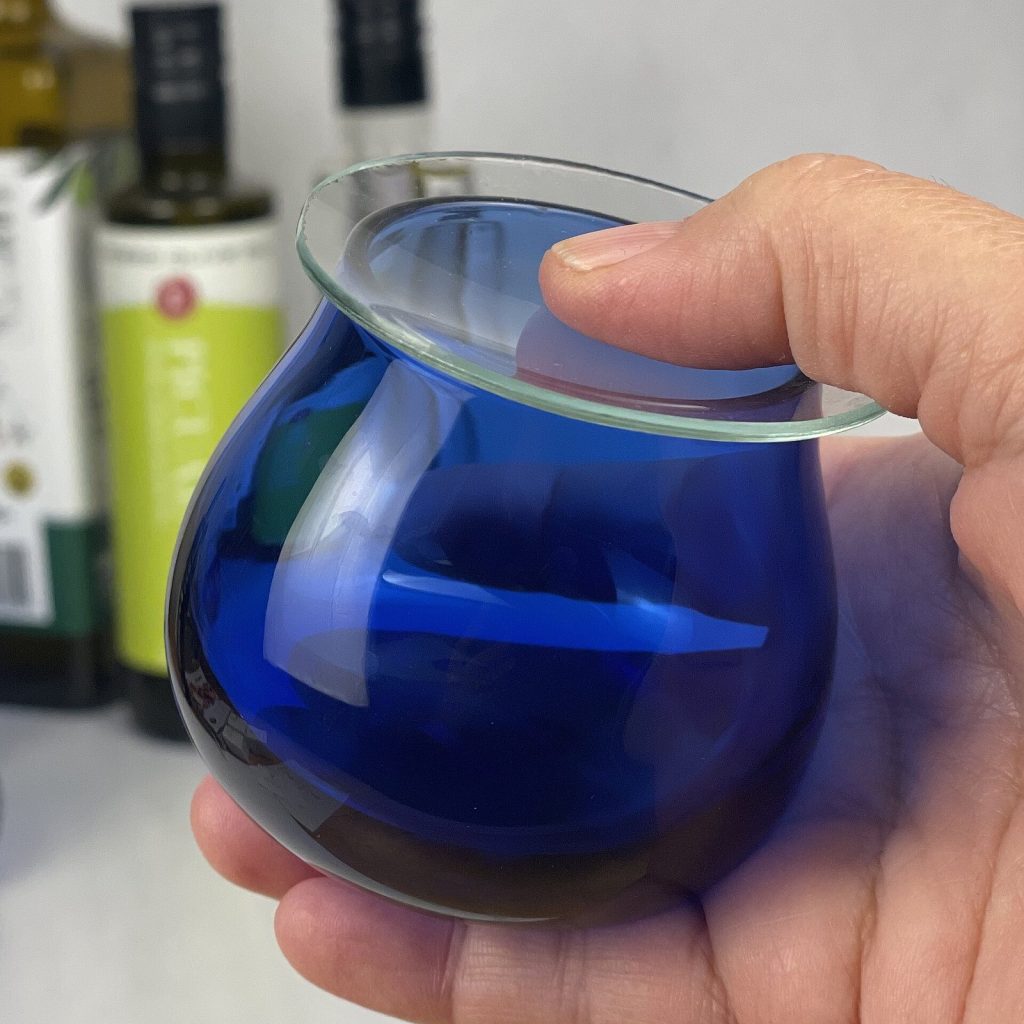
Tokyo has just handed out the results of Olive Japan 2013, where fifteen judges tasted 280 extra virgin olive oils from 21 countries and gave nine of them the top Premier award. Japan is the world’s fourth largest olive oil import market and has no legal standard for the stuff, which is exactly why this competition exists. Here is what won and why it matters.
What happened
The judging ran over three days in late April in a Tokyo hotel, followed by the Olive Japan trade show, a symposium and seminars. The results were published on May 2 by the organizer, the Olive Oil Sommelier Association of Japan. Of the 280 entries, 189 took a silver, gold or Premier medal.
The nine Premier awards went to four Spanish oils (Almazara de Muela’s Mueloliva Picudo, Rincón de la Subbética’s Alamoda, Aroden’s Cladivm and Marqués de Griñón’s Oleum Artis), three Italian (Contessa Elena’s L’Arte dell’Olivo, Villa Zottopera and Olio Torchia) and two from Portugal’s Gallo, its Colheita Luar and Reserva.
Japanese producers did well in their own competition, with golds going to a string of growers from the island of Shodoshima, the historic center of Japanese olive growing, along with producers from Amakusa and elsewhere.
Why a competition matters more here
Competition chairman Toshiya Tada put the point plainly: the job of Olive Japan is to give consumers a clear indicator of quality. Japan has no specific standard for olive oil. In regulatory terms it sits with other vegetable oils, so there is no legal grade to check the word “extra virgin” against, and no official tasting panel to appeal to.
That is a real gap in a country that buys a great deal of imported oil. In its absence, a medal from a credibly judged competition does the work that a legal grade does in Europe, California or Australia.
| Olive Japan 2013 | Detail |
|---|---|
| Entries | 280 oils from 21 countries |
| Judges | 15, over three days |
| Medals | 189 silver, gold or Premier |
| Premier awards | 4 Spain, 3 Italy, 2 Portugal |
| Organizer | Olive Oil Sommelier Association of Japan, second edition |
Who was judging, and the crowd outside
The panel was assembled to balance old world and new: Antonio Giuseppe Lauro, an International Olive Council panel leader from Calabria, Agustí Romero of the Catalan research institute IRTA, and Richard Gawel, the long-serving chairman of the Australian national competition, among others. Tables were mixed by country, and Lauro noted that results were consistent from table to table. Romero said the oils had arrived in good condition, which for a competition on the other side of the world is not a small thing.
The public side was busier still. The organizers put attendance at the two-day Olive Japan market at around 170,000 people, with 49 exhibitors, almost twice last year’s number. Tom Mueller, whose book on olive oil fraud has just appeared in Japanese, gave the keynote at the trade symposium.
Medals are a marketing expense, not a quality guarantee. A producer pays an entry fee and ships bottles across the world, so the oils in any competition are the ones whose owners could afford the exercise and were confident enough to try. What a good competition does tell you is that a trained panel found no defect in that batch, on that day. Check the harvest year on the medal sticker: a 2013 award on a bottle of 2011 oil is decoration, not information.
Sources
- Olive Japan: OLIVE JAPAN 2013 Competition Results (May 2, 2013, archived)
- Olive Oil Times: Olive Japan Spotlights Extra Virgin Olive Oil in Tokyo (May 3, 2013)
- Olive Japan: the 2013 award winners, listing the nine Premier oils and the gold and silver medals by country (archived copy)