The First New York Olive Oil Competition Names Its Winners
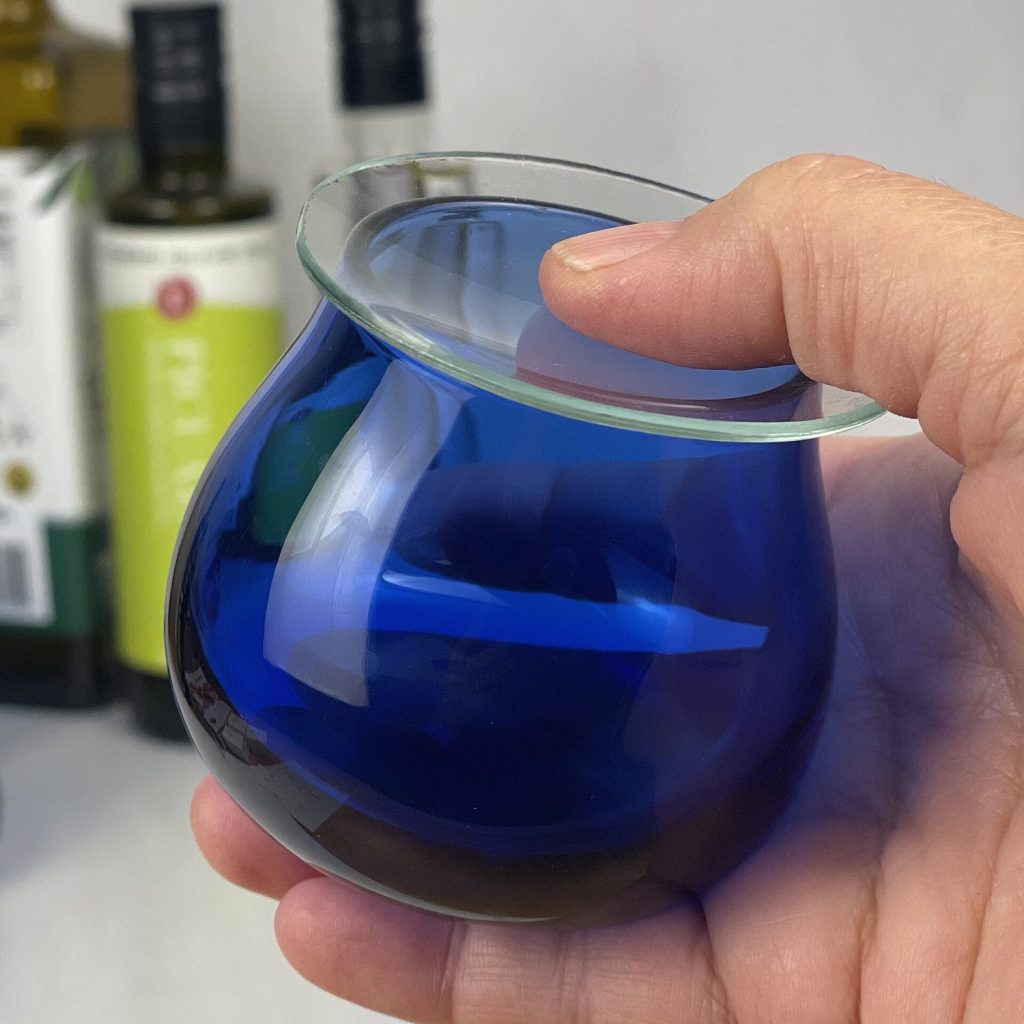
The first New York International Olive Oil Competition announced its winners on Thursday evening, April 18, after a panel of 16 judges blind-tasted about 700 extra virgin olive oils from 22 countries. Italy took the most awards, followed by Spain and the United States. Here is how the new competition worked, who did well, and how much weight a medal should carry when you are standing in front of the shelf.
What happened
The competition was organized by the trade publication Olive Oil Times and held at the International Culinary Center in Manhattan, alongside a three-day program of seminars and tastings on olive oil trade, branding, quality and world markets. Results were unveiled at a press conference with Olive Oil Times publisher Curtis Cord, the center’s founder Dorothy Hamilton, Steve Jenkins of Fairway Market and the panel leader, Gino Celletti.
According to the organizers’ first count on results night, 702 oils were entered and 653 of them reached New York in time for judging. About 260 awards went to producers from 20 countries, in three levels: Best of Class, Gold and Silver. Italy led with 83 awards, including eight Best of Class, followed by Spain with 51 and the United States with 36.
| The first competition in numbers | Figure |
|---|---|
| Oils entered | 702 |
| Oils judged (arrived in time) | 653, from 22 countries |
| Judges | 16, from 10 countries |
| Categories | 24 |
| Awards given | About 260, to 20 countries |
| Most awards | Italy 83, Spain 51, United States 36 |
How the judging worked
Every oil had to be extra virgin from the current crop year. Bottles were given random codes and wrapped so the judges could not see the brand. Categories were split by hemisphere, by intensity (delicate, medium and robust), by blend or single variety, and by organic or conventional farming, which is why there are 24 of them.
The panel included well-known tasters such as Paul Vossen, who heads the University of California’s taste panel. He used one of the seminars to explain how a judge reads fruitiness, bitterness and pungency, and how a trained palate picks up the small defects that a casual taster misses.
Who did well
Among the Best of Class winners, Frantoio Franci of Tuscany and Cobram Estate, Australia’s largest producer, took two each. Australia collected three Best of Class awards in all, Spain three, and Peru, New Zealand and South Africa one each. Aceites Melgarejo took two of Spain’s 27 Gold awards, and in the American field Il Fiorello Olive Oil Company and Apollo Olive Oil each took two Golds. Portugal, Croatia, France, Greece and Uruguay were all among the Gold winners too.
The strong showing by Australia, the United States and South America is the real story. Italy and Spain still took the most medals, as you would expect from the two biggest producers, but the newer producing countries turned up with oils that won on a blind panel, not on reputation.
What a medal means for buyers
- A medal tells you one sample, from one lot, tasted well this spring.
- It does not tell you that the bottle in your hand is from the same lot, or how it has been stored since.
- A harvest date on the label is still worth more than any sticker.
Producers pay to enter competitions, and the good ones send their best tank. That is fair enough, it is what you would do too. But the medal sticker often stays on the label long after the award-winning lot has sold out. If a bottle carries a medal, check that the competition year matches the harvest year on the label. If there is no harvest year, the sticker is decoration.