Olive Genus and Classification: Olea europaea, Family Oleaceae
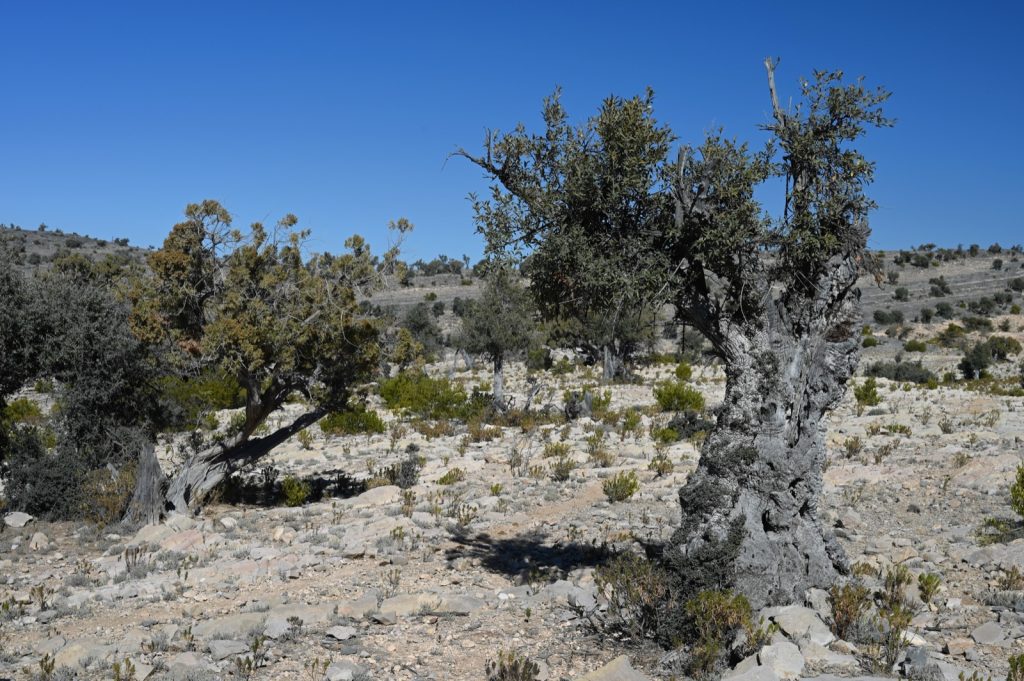
The olive belongs to the genus Olea, and the one we eat is Olea europaea, a member of the olive family Oleaceae alongside ash, lilac, jasmine, forsythia and privet. Botanically its fruit is a drupe, a stone fruit like a cherry or a plum. That family tree explains more than it looks: why olive pollen makes some people sneeze in the same season as ash, why every olive variety in the world is one species, and why a long list of fruits called “olive” are not olives at all.
The full classification
| Kingdom | Plantae |
| Order | Lamiales |
| Family | Oleaceae, the olive family |
| Genus | Olea, about a dozen species |
| Species | Olea europaea L. (named by Linnaeus in 1753) |
| Cultivated form | Olea europaea subsp. europaea var. europaea |
| Wild form | var. sylvestris, the oleaster |
| Fruit type | Drupe (stone fruit) |
How many species are in the genus Olea?
Fewer than older books say. Many references still give 30 to 40 species, but molecular studies over the past few decades moved a large number of former Olea species into related genera such as Chionanthus, Noronhia, Nestegis and Osmanthus. Kew’s Plants of the World Online now accepts 11 species. Only one of them, Olea europaea, is grown for olives and oil; the rest are wild trees and shrubs of Africa, Asia and Australasia.
| Species | Where it grows wild | Notes |
|---|---|---|
| Olea europaea | Mediterranean, Africa, south-west Asia, Himalayas | The olive. Every cultivar belongs here. |
| Olea capensis | Much of sub-Saharan Africa, Madagascar | Known as ironwood for its very hard timber |
| Olea paniculata | South and Southeast Asia to Australia and the Pacific | A large rainforest tree, up to 15 to 18 m |
| Olea lancea | Madagascar, Mauritius, Réunion | Island species of the Indian Ocean |
| Olea exasperata | South Africa | Coastal shrub |
| Olea woodiana | South Africa to Kenya and Tanzania | Forest tree |
Genus, species, cultivar: three words people mix up
- Genus is Olea, the whole group of olive trees including species never grown for food.
- Species is Olea europaea. Every table olive and every drop of olive oil in the world comes from this one species.
- Cultivar is Picual, Kalamata, Arbequina, Frantoio and the many hundreds of others. These are not species or subspecies. They are cultivated varieties of the same plant, propagated by cuttings or grafting rather than seed, which is why a named cultivar stays true.
This is the point that surprises people. Kalamata and Arbequina are the same species in the way a Labrador and a dachshund are both dogs. All the variation in shape, oil content, ripening date and flavor sits inside one species, and the genetics behind a thousand olive varieties is a story of selection, not of separate species.
What is an olive classified as?
Botanically, an olive is a fruit, and more precisely a drupe: a fleshy fruit with a single hard stone around the seed, like a cherry, plum, peach or mango. The flesh (mesocarp) is where the oil is stored, which is unusual for a fruit and is why olives taste of fat rather than sugar. In the kitchen, though, olives are treated as a savory food, served like a pickle or a vegetable. Both answers are right in their own context, as explained in are olives a fruit or a vegetable.
The subspecies scattered around the Old World
Olea europaea has six recognized subspecies, mostly geographic isolates that never entered agriculture: cuspidata across Asia and eastern and southern Africa, laperrinei in the Saharan mountains, maroccana in south-west Morocco, cerasiformis in Madeira and guanchica in the Canary Islands. Only subsp. europaea was domesticated, in the eastern Mediterranean several thousand years ago, from wild trees whose descendants still grow as the wild oleaster.
The olive family, Oleaceae
The family is bigger and more familiar than most people expect: roughly 28 genera and around 700 species, spread from the subarctic to the southern tips of Africa, Australia and South America. Its members share a few easy-to-spot features:
- Opposite leaves, set in pairs along the stem.
- Flowers built in fours, usually with four petals or lobes.
- Only two stamens per flower, an unusually low number among flowering plants.
- Very different fruits: a drupe in the olive, a winged samara in the ash, a capsule in lilac and forsythia, a berry in privet.
The best-known relatives are ash (Fraxinus), prized for timber; lilac (Syringa); jasmine (Jasminum); forsythia; privet (Ligustrum); and osmanthus. Look closely at an olive tree in spring and you will see the family resemblance in the small, cream, four-lobed flowers.
Things called olives that are not olives
Most “olives” outside the genus are unrelated plants whose fruit merely looks similar. This matters for anyone reading about olive cultivation in places olives do not grow.
- Russian olive (Elaeagnus angustifolia) is in the Elaeagnaceae, no relation, and an invasive tree in much of the western United States.
- Autumn olive (Elaeagnus umbellata) is another Elaeagnus.
- Chinese olive (Canarium album) is in the Burseraceae, the frankincense family.
- Ceylon olive (Elaeocarpus serratus) is in the Elaeocarpaceae, not an olive either.
- African olive (Olea europaea subsp. cuspidata) genuinely is one, and is an aggressive weed in parts of Australia.
Why the family matters
Oleaceae membership is not trivia. Ash and privet share the olive’s wind-pollinated flowering habit and related pollen proteins, which is why olive pollen is a significant seasonal allergen in Mediterranean cities, and why people sensitive to ash or privet pollen sometimes react to olive pollen too. Pollen allergy is a different thing from reacting to the fruit or the oil, as explained in olive allergy: fruit, oil and pollen.
What is the Latin for olive?
Latin had three related words. Olea was the olive tree, oliva the olive (and the tree), and oleum the oil. All three come from the Greek elaia, the olive, and elaion, its oil. English “oil” descends from oleum, which tells you which oil the Romans had in mind.
Every olive tree sold for an orchard, every jar and every bottle comes from the same species, Olea europaea. When a nursery or a bottle label talks about a “rare olive species”, it means a cultivar, a variety within that one species. Some cultivars are genuinely distinctive, but the word “species” on a sales pitch is a sign someone is selling the story harder than the plant.
Frequently asked questions
What is the genus of the olive?
Olea. The cultivated olive is Olea europaea, one of about a dozen species in the genus, and the only one grown for olives and oil.
How many species of olive are there?
Plants of the World Online accepts 11 species in the genus Olea, after many former species were moved to other genera. Older sources give 30 to 40. Every edible olive variety belongs to just one species, Olea europaea.
What is the Latin name for olive?
Olea europaea, named by Linnaeus in 1753. In classical Latin, olea meant the olive tree, oliva the olive, and oleum the oil.
What family do olives belong to?
Oleaceae, the olive family, which also includes ash, lilac, jasmine, forsythia, osmanthus and privet. It has roughly 28 genera and around 700 species.
What is an olive classified as?
Botanically, an olive is a fruit, specifically a drupe or stone fruit, like a cherry or a plum. In cooking it is treated as a savory food rather than a sweet fruit.
Is a Russian olive a real olive?
No. The Russian olive, Elaeagnus angustifolia, belongs to a different family, Elaeagnaceae, and is unrelated to true olives despite the name.