Cooking With Olives: A Practical Guide
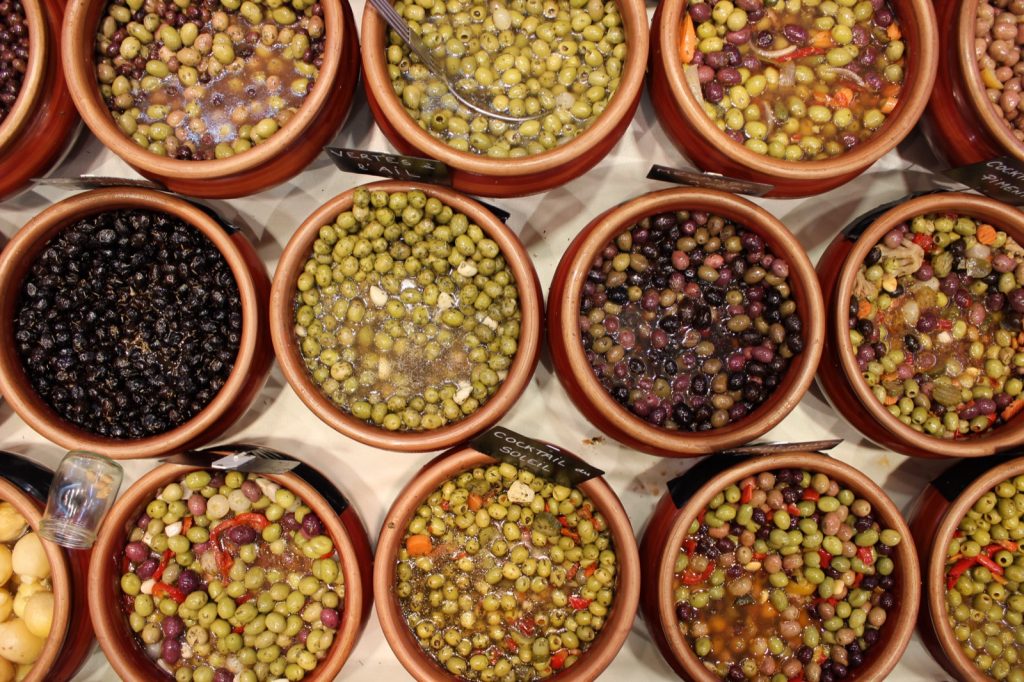
An olive that is delicious from the jar can wreck a dish, because heat does three things to it: it drives out salt, it softens the flesh, and it turns any scorched edge bitter. Almost every olive failure in home cooking traces back to one of those three. Understand them and olives become one of the most useful things in the cupboard: a source of salt, acid, fat and savoury depth in a single ingredient.
What heat actually does
- Salt migrates outward. A whole olive simmered in a sauce for 40 minutes gives most of its salt to the sauce and keeps very little. This is why long-braised dishes need almost no added salt, and why people who salt at the start end up with something inedible.
- Flesh softens and eventually collapses. Firm green olives survive an hour. Ripe black ones turn to mush in twenty minutes.
- Exposed edges scorch. An olive sitting proud on a roast or under a grill blackens and turns genuinely acrid, not merely toasted.
Which olive for which job
| Method | Use | Add when |
|---|---|---|
| Long braise, tagine, stew | Firm green: Picholine, Lucques, Manzanilla | Last 20–30 minutes |
| Quick pasta sauce | Kalamata, Gaeta, Taggiasca | Last 5 minutes |
| Roasting with vegetables | Any firm olive, whole | Last 15 minutes, tucked under |
| Baked fish | Taggiasca, Niçoise | With the fish, they are small |
| Bread, focaccia | Firm green or Taggiasca | Into the dough, pressed below the surface |
| Tapenade, raw | Ripe black: Kalamata, Niçoise | No heat at all |
The four rules
- Add olives late. Almost always. The exception is a dish where you deliberately want the olive to disappear into the sauce and season it, in which case add early and salt nothing else.
- Do not salt until the olives are in and the dish has had five minutes. Taste after, not before. This single habit fixes most olive cooking.
- Rinse if the recipe is already salty. A thirty-second rinse under cold water takes off surface brine without touching the flavour inside. Do it when anchovies, capers, cured meat or feta are also present.
- Keep them below the surface. Buried in liquid or tucked under vegetables, an olive cannot scorch.
Stone in or stone out
For anything braised or roasted, cook them with the stones in and warn people. The stone keeps the flesh together through long heat and, being bone-dry, the olive holds its shape instead of disintegrating. Pitted olives in a two-hour stew turn to paste.
For pasta, sauces and anything eaten quickly, pit them. Nobody wants to negotiate stones in a bowl of spaghetti.
Do not waste the brine
The liquid in the jar is seasoned, acidic and free. A splash deglazes a pan, sharpens a vinaigrette, or brightens a braise at the end where a squeeze of lemon would otherwise go. More uses in what to do with olive brine.
Where to go next
For choosing between eating and cooking olives, see best olives for cooking versus snacking. For fast midweek dishes, olives in quick weeknight pasta sauces. If a recipe names a variety you cannot find, the substitutes guide covers it.
Frequently asked questions
When should you add olives when cooking?
Usually in the last 20 to 30 minutes of a braise, or the last 5 minutes of a quick sauce. Added early they give up their salt to the dish and collapse.
Which olives are best for cooking?
Firm green olives such as Picholine, Lucques or Manzanilla for long cooking. Ripe black olives such as Kalamata, Gaeta or Taggiasca for quick sauces and raw preparations.
Should you rinse olives before cooking?
Rinse them when the dish already contains salty ingredients such as anchovies, capers, cured meat or feta. A thirty-second rinse removes surface brine without dulling the olive itself.
Why did my olives make the dish too salty?
They were added too early, so they released their salt into the sauce, and the dish was probably seasoned before tasting. Add olives late and salt last.
Can you cook olives with the stones in?
Yes, and for long braises you should. The stone holds the flesh together through extended heat. Pit them for pasta and anything eaten quickly.