Olive Substitutes: What to Use When the Recipe Names a Variety You Cannot Find
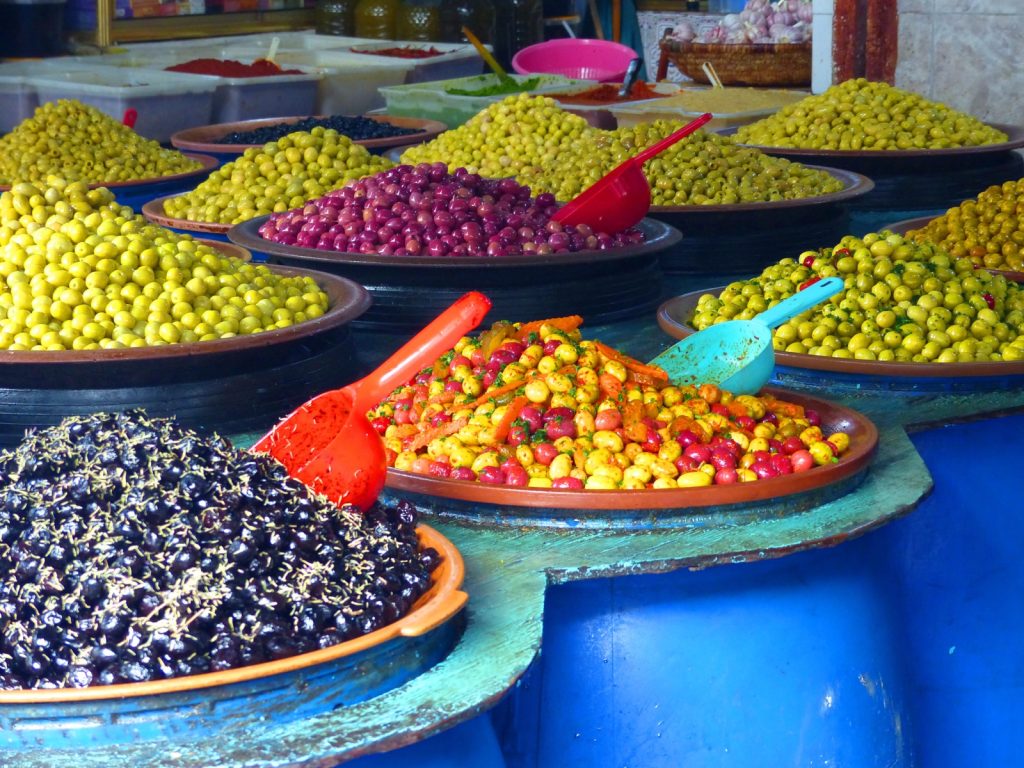
Most olive substitutions fail because people swap by colour instead of by job. A recipe asking for Castelvetrano wants sweetness and a buttery snap. One asking for Cerignola wants size and mildness. One asking for Kalamata wants sharp, winey acidity. Match the role and almost any shop will yield something that works. Match the colour alone and you will end up with a salad that tastes wrong and a tapenade that tastes like brine.
Below is what to reach for, variety by variety, and why.
The substitution table
| If the recipe says | What it actually wants | Best substitute | Also works |
|---|---|---|---|
| Castelvetrano | Sweet, buttery, very mild, bright green, snappy texture | Cerignola (green) | Nocellara del Belice (the same cultivar under its proper name), Halkidiki |
| Cerignola | Very large, mild, meaty, good on a board | Halkidiki | Gordal (Spanish “queen”), Castelvetrano |
| Kalamata | Sharp, fruity, winey, firm purple-black flesh | Gaeta | Amfissa, dry-cured Moroccan (use fewer, they are stronger) |
| Niçoise | Small, herbal, nutty, high stone-to-flesh ratio | Taggiasca | Arbequina, small Gaeta |
| Picholine | Crisp, briny, faintly aniseed, holds its shape | Lucques | Manzanilla, Nocellara |
| Manzanilla | Firm, slightly smoky, the classic stuffing olive | Picholine | Gordal for a larger stuffed olive |
| Tinned black olives | Soft, neutral, mild, evenly sliced | Any mild brined black olive, pitted | Nothing else behaves quite the same; see the note below |
The Castelvetrano problem
Castelvetrano is the most-searched substitution question in the olive world, and there is a reason nothing quite replaces it. It is not just a variety, it is a processing style. The olives are Nocellara del Belice, picked young and given a rapid mild cure that keeps them emphatically green and low in bitterness. The sweetness people love is as much the curing as the cultivar.
So if a shop sells Nocellara del Belice, you are looking at the same olive under its botanical name, and that is your closest match by a distance. Failing that, a green Cerignola gets you the size and the mildness without the buttery quality. Halkidiki from northern Greece is the third option, firmer and a little more savoury.
What will not work is a standard Spanish green olive from a jar. Those are usually Manzanilla, lye-cured and considerably saltier and sharper, and dropping them into a dish built around Castelvetrano changes it completely.
When you want no olives at all
Sometimes the question is not which olive but what to use when olives are off the table entirely, for taste or for allergy reasons. What you are replacing is a specific combination of salt, fat, acid and a faintly bitter savoury depth.
- In a tapenade or pasta sauce: capers, or capers plus a few sun-dried tomatoes for body. Capers bring the salt and the acid but not the fat, so add a little more olive oil.
- On a pizza: artichoke hearts, roasted red pepper, or fried capers for the salty punctuation.
- In a Greek salad: extra feta and a heavier hand with the red onion and oregano.
- In a martini: a lemon twist, which is the original garnish anyway, or a cocktail onion for a Gibson.
Two rules that save most dishes
First, taste before you commit. Brines vary enormously between producers, and two jars of the same nominal variety can differ more than two different varieties from the same maker. Eat one. Adjust the salt in the rest of the dish accordingly.
Second, respect the strength. Dry-cured and oil-cured olives are far more concentrated than brined ones. If you swap a dry-cured Moroccan olive in where the recipe wanted a mild brined black, use roughly half the quantity or the dish will taste of nothing else.
Frequently asked questions
What is the best substitute for Castelvetrano olives?
Nocellara del Belice, which is the same cultivar sold under its botanical name. If that is unavailable, green Cerignola gives you similar size and mildness, and Halkidiki is a firmer third choice.
What can I use instead of Cerignola olives?
Halkidiki is the closest for size and mildness. Spanish Gordal, sometimes labelled “queen” olives, is also large and mild. Castelvetrano works if you want it sweeter.
Can I substitute green olives for black olives?
Only with care. Green olives are picked unripe and are firmer, sharper and saltier. Black olives are riper, softer and milder. In a cooked dish you can usually get away with it, but in a salad or on a board the difference is obvious.
What is a good substitute for Kalamata olives?
Gaeta olives from Italy are the nearest in sharpness and firm texture. Greek Amfissa is another good match. Dry-cured Moroccan olives work but are much stronger, so use fewer.
Are Castelvetrano and Nocellara the same olive?
Yes. Nocellara del Belice is the cultivar and Castelvetrano is the Sicilian town it is associated with. The name on the jar depends on the producer and the market.