Tuna and Olive Pasta: The Store-Cupboard Dinner Worth Getting Right
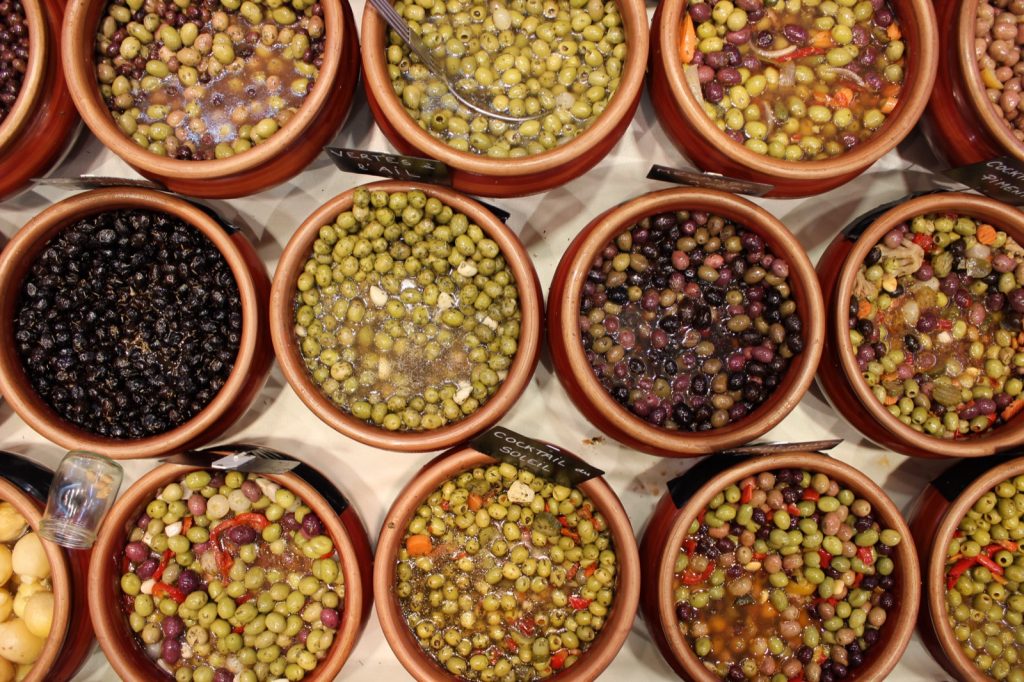
Tuna and olive pasta is the best thing you can make from a cupboard in fifteen minutes, and the two ingredients everyone economises on are the two that decide whether it is dinner or penance. Tuna in oil rather than brine, and a real cured olive rather than a mild tinned slice. Everything else is technique, and the technique is mostly about not cooking the tuna.
The two decisions that matter
| Choice | Take this | Because |
|---|---|---|
| Tuna | In olive oil, jarred if you can | Brine-packed tuna is drier and flakes to dust. The packing oil is also part of the sauce |
| Olive | Kalamata, Gaeta or Taggiasca | You need fruit and salt to carry the dish. Mild tinned olives vanish |
| Pasta | Spaghetti, linguine or rigatoni | Long shapes for an oily sauce, rigatoni if you want the tuna to lodge inside |
| Acid | Lemon zest and a squeeze of juice | Tuna and olives are both rich and salty. Without acid it flattens fast |
What you need
- 400g spaghetti or linguine
- 2 jars or tins of tuna in olive oil, about 300g drained, oil reserved
- 120g Kalamata or Taggiasca olives, stones removed, roughly torn
- 3 garlic cloves, sliced thin
- 2 tablespoons capers, rinsed
- 400g tin of chopped tomatoes, or 250g cherry tomatoes halved
- Half a teaspoon dried chilli flakes
- Zest and juice of 1 lemon
- Olive oil, parsley, black pepper
Method
- Salt the pasta water properly and get the spaghetti going. Everything else takes less time than the pasta, so start here.
- Warm 3 tablespoons olive oil plus the oil from the tuna jars over medium-low heat. Add the garlic and chilli and cook 2 minutes until the garlic is fragrant and pale gold, never brown.
- Add the tomatoes, olives and capers. Simmer 8 to 10 minutes until the sauce thickens and the oil separates a little at the edges.
- Take the pan off the heat. Now flake in the tuna in large pieces and fold it through gently. This is the whole trick: tinned tuna is already cooked, and simmering it turns it grainy and dry.
- Drain the pasta, keeping a mugful of the water. Tip the pasta into the pan with a splash of that water and toss hard for 30 seconds so the starch pulls the oil and tomato into a sauce that clings.
- Finish off the heat with lemon zest, a squeeze of juice, parsley and plenty of black pepper. Taste before adding any salt: between the olives, capers and tuna there is usually enough.
The mistakes
- Simmering the tuna. The single most common fault. It goes in at the end, off the heat, in big flakes.
- Draining away the tuna oil. That oil has been sitting with fish for months and is full of flavour. It belongs in the pan.
- Adding cheese. Traditionally no parmesan on fish pasta in Italy. Toasted breadcrumbs give you the same crunch and salt without fighting the tuna.
- Chopping the olives too fine. Tear them roughly so you get whole mouthfuls rather than a uniform salty background.
- Forgetting the pasta water. Without the starch the oil and tomato stay separate and the sauce slides off.
Variations worth making
Leave out the tomato entirely and you have something closer to a white tuna pasta: more lemon, more parsley, a handful of toasted breadcrumbs. Add anchovy with the garlic and you are one step from puttanesca, which uses the same olive logic. The olive choice reasoning is set out in cooking with olives, and if your shop is out of Kalamata, the substitutes guide covers what else works.
Frequently asked questions
What olives are best for tuna pasta?
Kalamata, Gaeta or Taggiasca. You need an olive with real fruit and salt to stand up to the tuna. Mild tinned black olives disappear into the sauce.
Should you use tuna in oil or in brine?
In oil. Brine-packed tuna is drier and breaks into dust when folded through pasta, and the packing oil from a good jar is part of the sauce rather than something to throw away.
When do you add tuna to pasta sauce?
At the very end, off the heat, in large flakes. Tinned tuna is already cooked, and simmering it makes it grainy and dry.
Do you put parmesan on tuna pasta?
Traditionally not. Cheese on fish pasta is avoided in most of Italy. Toasted breadcrumbs give the same crunch and salt without competing with the tuna.
Why is my tuna pasta dry?
Usually three things together: brine-packed tuna, the tuna oil drained away, and no starchy pasta water added at the end. Fix all three and the sauce clings properly.