Wine With Olives: What to Pour With Each Kind of Olive
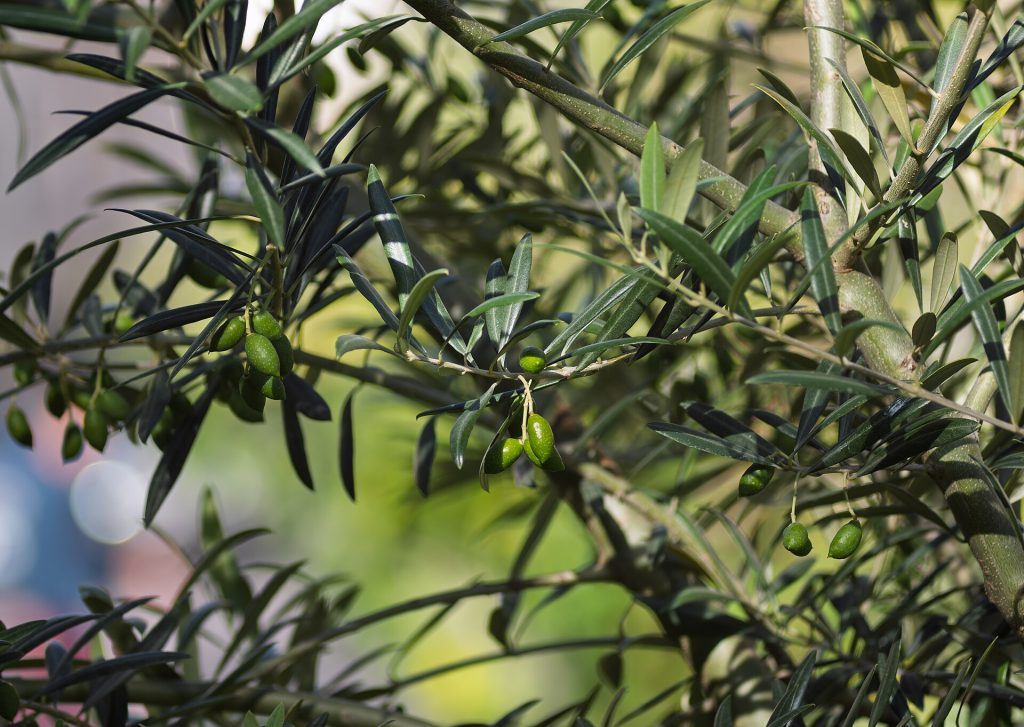
The short answer: reach for dry, salty-friendly wines with real acidity and skip anything sweet or heavily oaked. A crisp fino or manzanilla sherry is the single best all-rounder for a bowl of olives, with dry rosé and unoaked whites close behind. As a rule of thumb, bright green olives love lean, mineral whites and pale sherry, while richer, meatier black olives sit better with rosé, fuller whites, and even a light red. The salt and bitterness in olives are the whole challenge here, and the wines that win are the ones built to stand up to them.
Why olives fight so many wines
Olives are salty, savoury and often bitter, with a slick of oil and, frequently, a sharp acidic tang from their brine or marinade. That combination is genuinely tricky. Salt and bitterness both exaggerate the harsh edges of a wine: they make tannins taste more astringent and alcohol taste hotter. This is exactly why a big, oaky Chardonnay or a tannic young red so often falls flat next to a saucer of olives, and why sweet wines clash outright, the sugar and salt pulling against each other rather than harmonising.
The flip side is good news. Salt is one of the great friends of acidity. A high-acid wine feels fresher and juicier the moment salt hits your palate, which is why lean whites and pale, bone-dry sherries taste so alive alongside a briny olive. There’s a reason the traditional Andalusian tapeo pairs a glass of fino with a dish of olives almost by reflex, and it’s the same logic that makes a squeeze of lemon lift the whole plate. If you want a refresher on how different curing methods shape that salt and bitterness, our guide to olive curing methods is a useful companion.
Three simple principles carry you a long way:
- Match acidity to salt. The saltier and brinier the olive, the more you want a crisp, high-acid wine to answer it.
- Mind the marinade. Garlic, chilli, citrus peel, herbs and anchovy change the pairing as much as the olive itself. Lean into the dominant flavour.
- Go dry, go light on oak. Sweetness and heavy toast are the two most reliable ways to spoil the match.
Green olives versus black olives
Colour is really a proxy for ripeness. Green olives are picked earlier, so they tend to be firmer, sharper, grassier and often more bitter, with a saline snap. Black olives are picked riper (or oxidised during curing), giving softer, rounder, fruitier and sometimes almost meaty flavours. That difference genuinely steers the wine.
Bright, crunchy green olives such as Castelvetrano, Nocellara or a classic Spanish Manzanilla want equally bright partners: fino sherry, Fino’s saltier cousin manzanilla, a taut Albariño, a mineral Picpoul or an unoaked Sauvignon. The wine’s acidity mirrors the olive’s freshness and cuts the brine cleanly.
Deep, wrinkled black olives such as dry-cured Moroccan-style olives, Kalamata (technically a purple-black table olive) or oil-cured varieties carry more richness and a touch of bitterness that suits a wine with a little more body and roundness. Dry rosé is the classic crowd-pleaser here; a fuller white like a lees-aged Rhône blend works; and a light, low-tannin red such as a chilled Gamay, young Grenache or a simple Provençal red can be lovely, especially when the olives are herby or dressed in oil. If you want to explore the specific varieties behind these flavours, the olive varieties encyclopedia lays them out.
A quick word on amontillado and sparkling wine
Two honourable mentions. A nutty amontillado or dry oloroso sherry is superb with the richest, oiliest black olives, echoing their savoury depth. And almost any bone-dry sparkling wine, Cava, Champagne, a good Crémant, is a reliable partner across the board: the bubbles and acidity scrub the palate clean between salty bites, which is exactly what you want at the start of a meal.
The pairing table
| Olive style | Best wine matches | Why it works |
|---|---|---|
| Bright green (Castelvetrano, Nocellara, Manzanilla) | Fino or manzanilla sherry; Albariño; Picpoul; unoaked Sauvignon Blanc | High acidity and saline notes mirror the olive’s fresh, grassy snap and cut the brine. |
| Rich black (dry-cured, oil-cured, Kalamata) | Dry rosé; lees-aged white blend; light chilled red (Gamay, Grenache) | More body and roundness stand up to the olive’s meatier, slightly bitter depth. |
| Garlic or herb marinated | Dry rosé; Vermentino; Provençal or Rhône white | Herbal, aromatic whites and rosés echo the marinade without being overwhelmed. |
| Chilli or spicy marinated | Off-dry Riesling; chilled fruity rosé; low-tannin red | A touch of fruit tames the heat; avoid high alcohol, which amplifies the burn. |
| Stuffed (anchovy, almond, cheese) | Fino sherry; Cava or dry sparkling; crisp white | Bubbles and acidity reset the palate between rich, savoury mouthfuls. |
| Mixed bowl (green and black together) | Fino or manzanilla; dry rosé; dry sparkling | The safest all-rounders, flexible enough to bridge both ends of the plate. |
Serve everything cool. Chill your whites, rosés and finos properly (a fino is at its best at around 7 to 9°C, close to fridge-cold), and even give a light red twenty minutes in the fridge before serving. A cool wine tastes crisper against salt, and crispness is the whole game with olives.
Wine and olives: common questions
What wine goes best with olives overall?
A dry fino or manzanilla sherry is the classic, near-foolproof choice. If sherry isn’t your thing, a dry rosé or a crisp unoaked white such as Albariño or Picpoul will rarely let you down.
Can you drink red wine with olives?
Yes, but choose wisely. Salt and bitterness make tannic reds taste harsher, so skip big, oaky bottles. A light, low-tannin red, a chilled Gamay, young Grenache or a simple Mediterranean red, works nicely, especially with richer black olives.
Why does sherry work so well with olives?
Fino and manzanilla are bone dry, high in acidity and carry their own subtle saline, yeasty character from ageing under flor. Salt makes that acidity taste even fresher, so the wine and the olive lift each other. It’s a pairing built over centuries of Andalusian tapas culture.
Does the marinade matter more than the olive?
Often, yes. A garlicky, chilli-spiked or citrus-dressed olive shifts the pairing well beyond simple green-versus-black. Match the wine to the dominant flavour of the marinade, and lean towards fruitier, gentler wines when there’s real heat involved.
This article is about flavour, not health advice; please drink responsibly.