Why Olive Trees Live So Long: They Regrow From Their Base
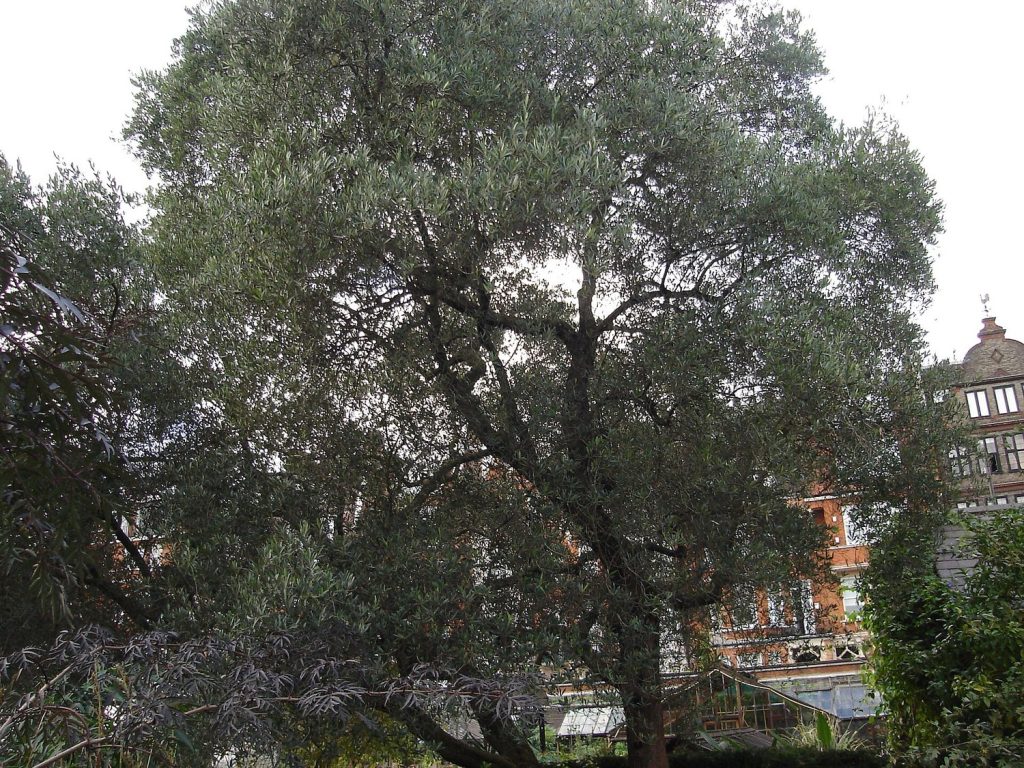
Olive trees live for centuries, often several hundred years, and in rare cases well over a thousand, because they can endlessly regenerate themselves from the base, they cope brilliantly with drought and poor soil, and their resins and dense wood shrug off the pests and rot that finish off softer trees. Where most fruit trees are spent within a few decades, an olive treats damage, fire and old age as setbacks to grow around rather than die from. That combination of a self-renewing trunk and near-indestructible constitution is the whole story of its remarkable longevity.
Anyone who has walked an old grove in Provence, Puglia or the Peloponnese knows the look: a gnarled, hollow, twisting trunk that seems half-dead, yet throws out silvery new growth every spring. That contradiction is exactly the point. Let’s unpack how it works.
Regeneration from the base: the olive’s superpower
The single biggest reason olives outlive almost every other cultivated tree is their ability to renew themselves from the ground up. At the base of the trunk sits a swollen, woody mass gardeners call the ovolo or burl, a reservoir of dormant buds and stored energy. If the top of the tree is cut down, frozen off, burned or simply dies of old age, that base pushes up fresh suckers and shoots, and a new trunk rebuilds itself around the old one.
This is why so many “ancient” olive trees are actually hollow, or look like several thin trunks braided together. The original heartwood has long rotted away, but the living tree kept regenerating around the void. In genetic terms it can be the same individual for a very, very long time, even though almost none of the original wood remains. A hard frost or a wildfire that would kill an orange or almond tree outright is, for an olive, something closer to a drastic pruning.
Growers have leaned on this for millennia. A neglected or frost-damaged grove can be cut back hard and coaxed back into production from the base rather than replanted, a trick you’ll see referenced in traditional olive tree care practices right across the Mediterranean. It’s also why olive cultivation survived events that flattened other crops: you rarely have to start from a seed.
Built to endure: drought, poor soil and tough wood
Regeneration only matters if the tree can survive the decades in between, and here the olive’s basic hardware is extraordinary. It is superbly adapted to exactly the harsh, dry, stony conditions that stress most plants.
- Deep, wide roots. Olive roots range far and dig deep to find moisture, letting the tree ride out long dry summers that would kill shallow-rooted species.
- Water-thrifty leaves. Those small, leathery, silver-backed leaves are drought engineering, a waxy surface and pale underside cut water loss and reflect fierce sun. The tree can effectively idle through a drought and resume growth when rain returns.
- Happy in poor soil. Olives thrive on thin, rocky, limestone ground where richer trees starve, so they hold on in marginal places with little competition.
- Dense, resinous wood. The hard, oily timber resists fungal rot and boring insects far better than soft-wooded trees, slowing the internal decay that ages most plants.
- Evergreen patience. Being evergreen and slow-growing, the olive doesn’t burn through its resources; it plays a long, steady game rather than a fast, brief one.
Put the two halves together, a base that refuses to die and a body built for hardship, and centuries become genuinely achievable. It helps, too, that olives have been tended by people for around 6,000 years; a cared-for grove tree is watered in extremis, pruned, and protected in ways a wild tree never is.
How long, really? A rough guide to olive tree age
Ages for very old trees are notoriously hard to verify. Because the heartwood rots away, you usually can’t count rings, so many famous figures rest on tradition, local records or radiocarbon estimates rather than hard proof. Treat the big numbers as informed estimates, not certainties. As a rough orientation:
| Stage | Rough age | What’s happening |
|---|---|---|
| Young / establishing | 0 to 15 years | Root system and trunk develop; first fruit typically comes after a few years. |
| Prime production | ~15 to 150 years | Steady, reliable cropping; the commercial heart of most groves. |
| Old / monumental | ~150 to 700 years | Trunk gnarls and hollows; often still fruiting, prized for oil quality. |
| Ancient / millenary | 700 to 1,000+ years | Rare survivors, often regenerated many times; ages usually estimated, not certain. |
Some celebrated specimens, such as ancient trees in Crete, Sardinia, Puglia and the Holy Land, are claimed to be well over a thousand years old and still bear fruit. Whether any single one is exactly 2,000 or “merely” 900 years old is genuinely hard to settle, but the broader truth is not in doubt: a healthy olive can outlive many human generations.
For most of us, the practical takeaway is reassuring. Plant an olive well, in a sunny, well-drained spot, and prune it sensibly, and you’re not planting for a decade, you’re planting something that can comfortably outlive you and keep giving fruit or olive oil to whoever comes next.
Why olive trees live so long: common questions
How old can an olive tree get?
Realistically, several hundred years is common for a well-sited tree, and a handful of famous specimens are believed to exceed 1,000 years. Because the heartwood decays, exact ages are usually estimated rather than proven by ring-counting.
Can an olive tree regrow if it’s cut down or damaged?
Yes, this is its signature trait. Dormant buds in the woody base (the burl) push out fresh shoots after frost, fire or heavy pruning, effectively rebuilding a new trunk. It’s a major reason groves survive events that kill other crops.
Why are old olive trunks hollow and twisted?
The soft inner heartwood rots away over the centuries while the tree keeps regenerating around it. What survives is the living outer wood, which twists and braids into the characteristic gnarled, hollow shape.
Do very old olive trees still produce olives?
Often, yes. Many monumental and even millenary trees continue to fruit, and their oil is frequently prized. Yields can be irregular with age, but longevity and productivity aren’t mutually exclusive in olives.