Can Cats Eat Olives? Safety, Sodium & Why They Go Mad for Them
A small nibble of plain olive won't hurt most cats, but salt, pits and marinades are where the real risks hide, and there's a real reason some cats go wild for them.
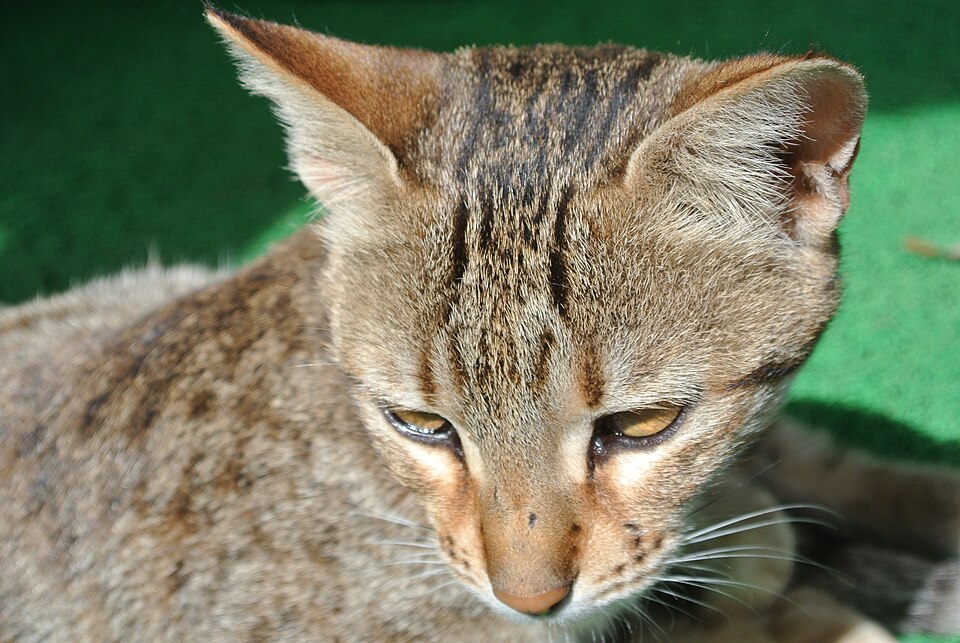
Can Cats Eat Olives?
Yes, a cat can eat a small piece of plain olive without harm, but olives are a treat and never a meal. A lick or a nibble of a rinsed, unsalted olive now and then is fine for most healthy cats. The real cautions are salt and everything olives are usually served with: brine, stones, garlic, and the oily marinades on a deli olive. And if your cat turns into a rolling, drooling, wide-eyed lunatic the moment an olive hits the floor, you are not imagining it. There is a genuine reason for that, and we will get to it.
Cats are obligate carnivores. Their bodies are built to run on meat, and plant foods like olives offer them almost nothing nutritionally. So think of an olive the way you would a crisp or a chip for yourself: not poison, not dinner, just an occasional oddity. Everything below is general guidance and not veterinary advice. If your cat has kidney trouble, heart disease, or is on a restricted diet, check with your vet before offering anything new.
Are olives actually safe for cats?
The olive flesh itself is non-toxic to cats. Unlike grapes, onions, or chocolate, a plain olive will not poison your cat. The problems come from the details, and they matter more than the olive.
Salt is the big one. Table and jarred olives are cured in brine, and they carry a lot of sodium. A cat is a small animal; an adult of around 4 to 5 kg needs only a modest amount of sodium a day, and a couple of salty olives can blow past that in one sitting. A single nibble will not hurt a healthy cat, but regular salty treats add up, and too much salt causes excessive thirst, an upset stomach, and, in extreme cases, sodium poisoning. Rinse an olive well under the tap before you share it, and never offer the brine.
Stones are a choking and blockage risk. An olive pit is hard, round, and just the wrong size for a cat’s throat or gut. Always give pitted olives, and cut the piece small.
Marinades and flavourings are where it gets risky. Many shop olives are dressed with garlic, onion, chilli, or herbs steeped in oil. Garlic and onion are genuinely toxic to cats even in small amounts, so a garlic-stuffed or garlic-marinated olive is a firm no. The same goes for olives stuffed with anchovy paste, blue cheese, or anything spiced.
Fat is the quieter concern. Olives and their oil are rich, and too much fatty food can trigger a bout of vomiting, loose stools, or, over time, contribute to weight gain. A little plain olive oil is sometimes suggested for coat or the odd hairball, but that is a separate conversation with your vet, not a reason to feed olives.
Why do cats go crazy for olives?
Here is the fun part. Plenty of cats react to green olives the same dizzy way they react to catnip: sniffing, licking, rubbing, drooling, rolling about, and generally losing their composure. It is not the salt and it is not greed. Green olives contain compounds in a chemical family related to nepetalactone, the active ingredient in catnip. One of these, sometimes described in the same isoprenoid group, appears to tickle the same receptors in a cat’s nose that catnip does, producing that euphoric, slightly ridiculous high.
Not every cat responds. Just as roughly a third of cats are immune to catnip for genetic reasons, many cats will sniff an olive and simply walk away. Green olives tend to provoke the reaction more than black ones. The response is harmless and short-lived, usually fading within ten minutes or so, after which your cat ignores olives entirely for a while. If you want to explore the plant behind all this further, our olive encyclopedia covers varieties and how green and black olives differ.
How much, how often, and which kind
The safe way to share is boring on purpose: plain, pitted, rinsed, tiny, and rare. Here is a quick reference for the common types you might have in the cupboard.
| Type of olive | Cat-friendly? | Why |
|---|---|---|
| Plain green or black, pitted, rinsed | Occasional treat | Non-toxic; keep it to a small piece and rinse off the brine |
| Olives in brine (unrinsed) | Not ideal | Too much sodium; rinse thoroughly first or skip |
| Garlic or onion stuffed / marinated | No | Garlic and onion are toxic to cats |
| Stuffed with cheese, anchovy, chilli, herbs | No | Extra salt, fat, and spice your cat does not need |
| Whole olive with the stone in | No | Choking and intestinal blockage hazard |
As a rough rule of thumb, keep olives to no more than a small nibble once in a while, and treats of all kinds to under about a tenth of your cat’s daily calories. If your cat has never had an olive, offer a crumb first and watch for any tummy upset over the next day. Kittens, senior cats, and any cat with kidney or heart conditions are best kept off olives entirely. Curious how olives are cured in the first place, and why they are so salty? Our guide to how olives are made explains the brining process behind that sodium.
Cats and olives: common questions
Are olives poisonous to cats?
No. Plain olive flesh is not toxic to cats. The risks come from salt, olive stones, and additions like garlic, onion, or spicy marinades, not from the olive itself.
Why does my cat react to olives like catnip?
Green olives contain compounds chemically related to nepetalactone, the substance in catnip. In cats that are sensitive to catnip, these can trigger the same rolling, rubbing, blissed-out response. It is harmless and passes within a few minutes.
Can cats eat olive oil?
A tiny amount of plain olive oil is not toxic and is sometimes suggested for coat condition or hairballs, but too much can cause diarrhoea and adds unnecessary fat. Ask your vet before adding oil to your cat’s food rather than doing it routinely.
My cat ate a whole olive with the stone. Should I worry?
Watch for choking, gagging, vomiting, loss of appetite, or straining. A swallowed pit can cause a blockage, especially in a small cat. If you notice any of these signs, or if your cat seems off, ring your vet promptly.