Do Olives Grow in Mexico? Yes, Since the 1520s, Mostly in Baja
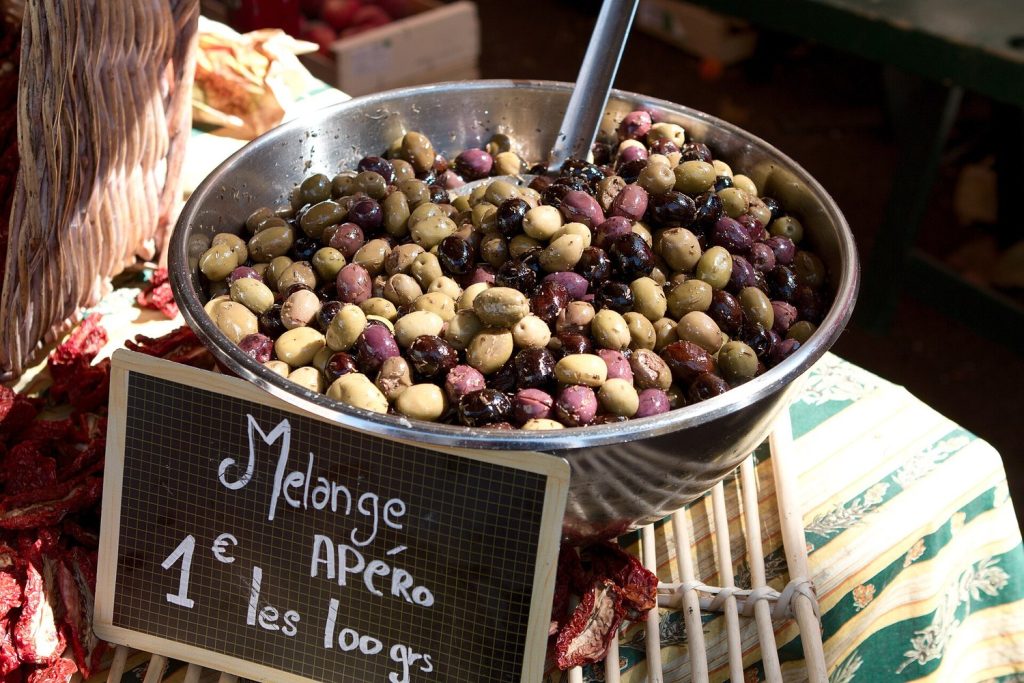
Yes on both counts, and the history is older than most of the olive world realises. Olives have grown in Mexico since the 1520s, planted by Spanish missionaries within a generation of the conquest, and Baja California still produces oil and table olives today. Olive oil is not the everyday cooking fat in most Mexican kitchens, but olives themselves are woven into some of the country’s most recognisable dishes, and the reason why is a piece of colonial history worth knowing.
The oldest olive story in the Americas
Spanish colonists brought olive cuttings to New Spain in the early sixteenth century, because the church needed oil for the liturgy and the settlers wanted the food they knew. Those trees became the ancestral stock of the Americas, and the variety that emerged from them, the Mission olive, later travelled north with the Franciscans into what is now California.
That success created a problem. Colonial olive production competed with Spain’s own exports, and the crown restricted planting in the Americas to protect the trade at home. Mexican olive growing was suppressed for long stretches, which is a large part of why the country never developed the olive culture its climate could easily have supported.
Where olives grow in Mexico today
| Region | What it produces | Notes |
|---|---|---|
| Baja California, Valle de Guadalupe and Ensenada | Extra virgin oil, table olives | The centre of the industry. Same Mediterranean climate that supports the wine region |
| Sonora | Table olives | Hot and dry, irrigation-dependent |
| Central highlands | Scattered old trees | Mission-descended survivors of the colonial plantings |
Production is small by Mediterranean standards. Mexico is a net importer, buying most of its olive oil from Spain and Italy, and domestic output serves a mostly local and premium market rather than export.
Do Mexicans cook with olive oil?
Not usually as the default fat. The everyday fats in Mexican home cooking are lard, vegetable oil and increasingly avocado oil, which is produced domestically in large quantities and costs a fraction of imported olive oil. For frying, searing and the long list of dishes built on those techniques, olive oil is neither traditional nor economical.
But olive oil does appear, and specifically in dishes with a direct Spanish lineage:
- Bacalao a la vizcaína, the salt cod stew eaten at Christmas, which is built on olive oil, olives and capers.
- Escabeche and pickled chillies, where olive oil is part of the preserving medium.
- Ceviches and aguachiles in coastal cooking, finished with a drizzle.
- Pescado a la veracruzana, the Veracruz fish dish, which is essentially a Mediterranean sauce transplanted: tomato, olives, capers, olive oil.
Olives in Mexican food
Table olives are more embedded than the oil. Green olives, usually Manzanilla, turn up in:
- Picadillo, the minced beef filling for chiles rellenos and empanadas, where olives and raisins provide the sweet-salt contrast.
- Tamales in several regional styles, with a single olive tucked into the masa.
- Veracruzana sauce, as above.
- Tortas and sandwiches, sliced through the filling.
The olive in a tamal is a small piece of the sixteenth century sitting in the middle of an indigenous dish, which is a fair summary of Mexican food generally.
Is Mexican olive oil any good?
The Baja producers are small, and the better ones make oil comparable with good Californian or Chilean extra virgin. Being in the northern hemisphere, the harvest runs from roughly October to December, the same window as the Mediterranean, so freshness is judged the same way. If you find a bottle, check the harvest date rather than the best-before, which is the rule everywhere.
For how the same colonial stock shaped the olive industry further north, see the Mission olive.
Frequently asked questions
Does Mexico grow olives?
Yes. Baja California is the main producing region, particularly the Valle de Guadalupe and Ensenada, with smaller production in Sonora and scattered old trees in the central highlands. Output is small and Mexico remains a net importer.
Do Mexicans use olive oil?
Not as an everyday cooking fat. Lard, vegetable oil and domestically produced avocado oil are more common. Olive oil appears mainly in dishes of Spanish origin such as bacalao, escabeche and Veracruz-style fish.
When were olives first planted in Mexico?
In the 1520s, by Spanish missionaries. Those plantings produced the Mission olive, which later spread north into California with the Franciscans.
Which Mexican dishes contain olives?
Picadillo, tamales in several regional styles, pescado a la veracruzana, bacalao a la vizcaína and many tortas. Green Manzanilla olives are the usual choice.
Is Mexican olive oil good?
The better Baja producers make oil comparable with good Californian or Chilean extra virgin. Harvest runs October to December, so judge it by harvest date as you would any northern hemisphere oil.