Verdale de l’Hérault Olives
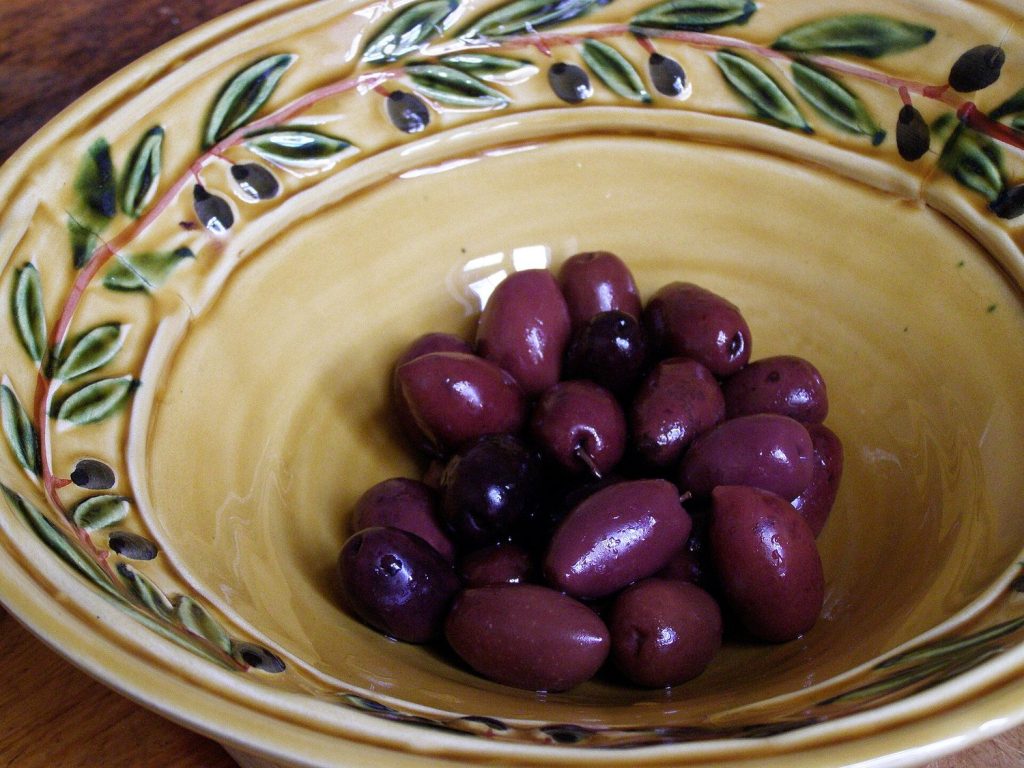
Verdale de l’Hérault is a French dual-purpose olive from the Languedoc, prized for a plump green fruit that works equally well cracked into a table olive or pressed for a mild, buttery oil. Named for the Hérault département in the south of France, it is one of a handful of “Verdale” olives grown across the western Mediterranean, so the name points to a lineage of green-fruited trees rather than a single French origin. If you have eaten a bowl of bright, meaty green olives in a village café near Montpellier or Béziers, there is a fair chance the Verdale de l’Hérault was in the mix.
Like many old regional cultivars, it is a workhorse rather than a superstar: reliable, adaptable and generous, without the fashionable status of, say, a Picholine or a Lucques. That is exactly why it deserves a proper look.
Where it comes from and what makes it distinctive
The Verdale de l’Hérault is closely tied to the Languedoc, a broad sweep of southern France running roughly from the Rhône down toward the Spanish border. “Verdale” comes from verd (green) in Occitan and Catalan, and several distinct olives across France and Spain carry the name, so it is worth being clear that this is the Hérault strain specifically. It is not the same tree as the Verdale de Carpentras further east, nor the various Spanish Verdales, even though they share a family resemblance and a fondness for staying green as they ripen.
What people notice first is the fruit itself: large, rounded and fleshy, with a good ratio of flesh to stone. The trees are known for being vigorous and fairly hardy, tolerating the dry, stony garrigue soils and hot summers of the region. They tend to crop well, which historically made the variety popular with growers who wanted a dependable harvest they could either brine or press depending on the year and the price.
As a green table olive it is mild and slightly sweet once cured, with a firm, almost crunchy bite. Pressed early, the oil leans fresh and grassy; left a little later on the tree, it turns softer, rounder and more buttery, with gentle notes of almond. It is rarely a peppery, aggressive oil, which is part of its charm for people who find robust Tuscan or Spanish oils too fierce.
Table olive or oil? Reading a dual-purpose variety
Calling an olive “dual-purpose” is not marketing fluff, it genuinely changes how it is grown and picked. The decision usually comes down to timing and price. Harvested green and firm in autumn, the fruit goes for the table; left to darken and soften, it goes to the mill. The table below sketches how the same variety behaves across those two paths.
| Aspect | As a table olive | As an oil olive |
|---|---|---|
| Typical harvest | Green, roughly Sept to Oct | Turning to black, roughly Nov to Dec |
| Fruit state | Firm, unripe, high water content | Softer, riper, higher oil content |
| Processing | Cracked or whole, then brine-cured | Cold-pressed at the mill |
| Flavour profile | Mild, sweet, firm, crunchy | Soft, buttery, gently almondy |
| What drives the choice | Good size, clean skin, firm flesh | Ripeness, oil yield, mill capacity |
These months are broad guides for the northern Mediterranean, not fixed dates, since every season shifts with weather and altitude. The practical point is that a grower with Verdale de l’Hérault trees has options, and in a difficult year that flexibility is worth a great deal.
In the kitchen, cured Verdale de l’Hérault olives are easy to like. Their mildness makes them a good everyday snacking olive, and they hold up well in a tapenade or alongside cheese without overpowering everything else on the board. If you are new to curing your own, a firm green variety like this is forgiving, and our guide to curing olives at home walks through the brine method step by step. For how it sits among France’s other regional cultivars, the olive varieties encyclopedia is a good next stop.
Buying, storing and getting the best from them
You are most likely to meet Verdale de l’Hérault in France itself, at markets and producers across the Languedoc, rather than on an international supermarket shelf, where broader French names like Picholine dominate. If you find them, look for firm, unblemished fruit in a clean brine. Cured olives keep for months refrigerated in their brine, and a splash of good oil over the top helps protect any that sit above the liquid.
As an oil, treat it as you would any fresh extra virgin: store it cool and dark, keep the cap on, and use it within a year or so of pressing for the best flavour. Its gentle character makes it a lovely finishing oil over steamed vegetables, white fish or a soft fresh cheese, where a fiercer oil would take over.
Verdale de l’Hérault olives: common questions
Is Verdale de l’Hérault a table olive or an oil olive?
Both. It is a genuinely dual-purpose variety: picked green it makes a firm, mild table olive, and left to ripen it presses into a soft, buttery oil. Growers often decide year by year based on the crop and prices.
Where does the Verdale de l’Hérault olive come from?
It is associated with the Hérault département in the Languedoc region of southern France. “Verdale” is a family of green-fruited olives found across France and Spain, so the name signals a green-olive lineage, not a single point of origin.
What does it taste like?
As a cured table olive it is mild, slightly sweet and pleasantly firm. As an oil it tends to be fresh and grassy when pressed early, turning rounder and gently almondy if the fruit is riper, rarely sharply peppery.
Is Verdale de l’Hérault the same as other Verdale olives?
No. Several distinct cultivars share the “Verdale” name, including the Verdale de Carpentras in France and various Spanish Verdales. They are related in style but are separate varieties, so it is worth checking exactly which one you are buying.