Tuscan Olive Oil: What Makes It Special
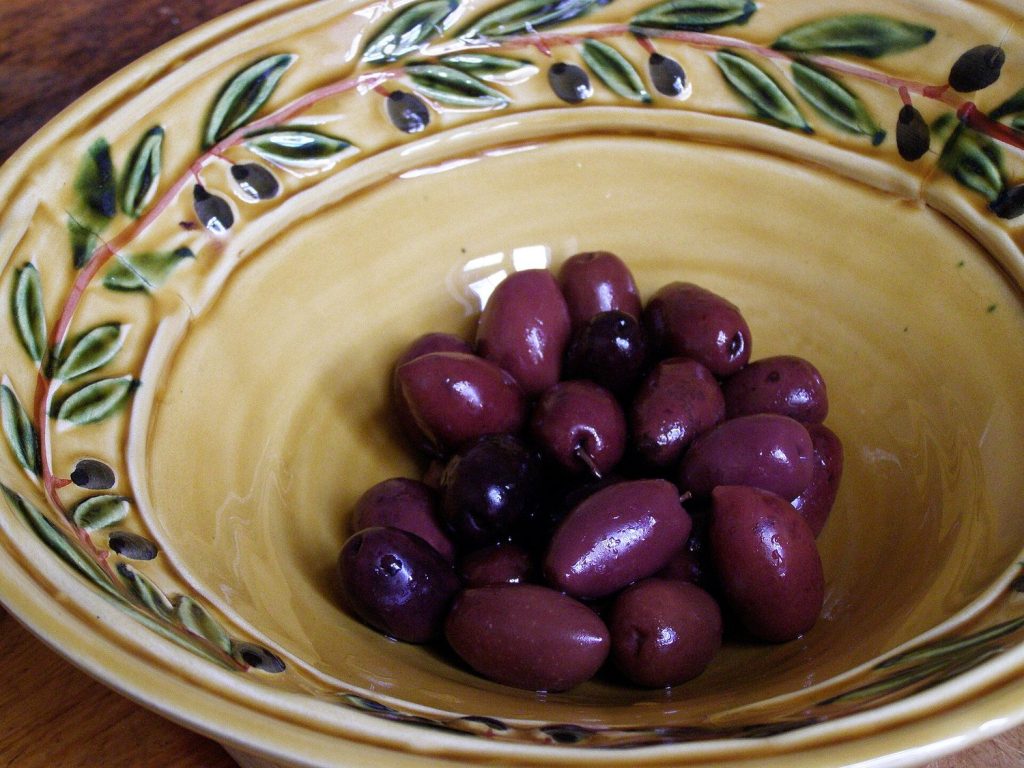
Tuscan olive oil stands out for its bold, green, peppery character — a robust, grassy, faintly bitter oil built mostly from three local varieties, Frantoio, Leccino and Moraiolo, grown on cool Apennine hillsides and pressed early while the fruit is still green. That combination of high-altitude groves, an early harvest and a distinctive blend gives Tuscan oil its trademark pungency: the peppery catch at the back of the throat that tasters prize. Much of the region’s oil carries the Toscano IGP mark, a protected geographical indication that ties the name to the place and to real production rules.
Why the region shapes the flavour
Tuscany sits further north than most of the great olive regions of the Mediterranean, and its groves often climb to a few hundred metres up the hills of Chianti, the Colline Metallifere and the slopes around Florence, Siena and Lucca. Olives here ripen slowly through cool autumns, and growers tend to pick early — frequently while a good share of the fruit is still green or just turning — partly to beat the frost that can strike inland groves. An early, green harvest means more of the natural polyphenols and chlorophyll stay in the oil, which is exactly what delivers that grassy colour, the bitterness and the pepper.
The trade-off is honest: picking green gives you lower yields per olive but a livelier, more aromatic oil. That is a choice Tuscan producers have made for generations, and it is a big part of why the region’s oil reads so differently from a softer, riper oil made further south. If you want to go deeper on how ripeness changes an oil, our olive oil guide walks through the harvest window in more detail.
The classic Tuscan blend: Frantoio, Leccino, Moraiolo
Most Tuscan extra virgin is a blend rather than a single variety, and three cultivars do the heavy lifting. Each brings something different, which is why they are so often grown and pressed together:
| Variety | What it contributes | Typical character |
|---|---|---|
| Frantoio | The backbone of most blends; aromatic and well balanced | Fruity, green, with a clean bitter-pungent finish |
| Leccino | Softens and rounds the blend; hardy and reliable | Milder, sweeter, gentler bitterness |
| Moraiolo | Brings the punch — intensity and pepper | Strongly pungent, robust, grassy and bitter |
Blend a Frantoio-led base with the softening hand of Leccino and a shot of fierce Moraiolo and you get the familiar Tuscan profile: green-gold in the glass, a nose of fresh-cut grass, artichoke and green tomato, then a bitter-and-peppery finish that lingers. Proportions vary from estate to estate and year to year, so no two producers taste quite the same. Smaller amounts of other local cultivars — such as Pendolino, often planted to help pollination — can round out a blend too. It is worth remembering that a variety’s name tells you the cultivar, not a guarantee of origin: Frantoio and Leccino in particular are now grown well beyond Tuscany and even outside Italy. What makes an oil Tuscan is the whole package of place, growing conditions and tradition, not the cultivar name alone.
What IGP actually means
Toscano IGP (Indicazione Geografica Protetta, or Protected Geographical Indication) is an EU quality scheme covering olive oil made and processed within the region under a defined set of rules. In practice it signals that the oil is a genuine Tuscan extra virgin tied to the territory, with checks on how and where it is produced. It is not a promise that one bottle will taste identical to the next — blends and vintages differ — but it is a meaningful guardrail against oil that merely borrows the Tuscan name. When you are shopping, an IGP mark alongside a recent harvest date and a clear producer is a reassuring sign. For more on reading a label properly, see our guide to buying olive oil.
How to taste and use it
Treat good Tuscan oil as a finishing oil as much as a cooking one. Its bitterness and pepper are assets raw: a thread over ribollita or white beans, on grilled bread as fettunta, over a bistecca, or across a bowl of steamed greens. Those same bold polyphenols that make it peppery also make it a touch more heat-stable than a delicate mild oil, so it holds up fine for everyday sautéing — but you get the best of what you paid for when you use it uncooked. Buy the freshest harvest you can find, keep it cool and dark, and use it within a year or so of pressing while the green vigour is still there.
Tuscan olive oil: common questions
Why is Tuscan olive oil so peppery and bitter?
Because the fruit is usually picked early, while still green, and because varieties like Moraiolo are naturally high in polyphenols. Those compounds create the bitterness and the peppery throat-catch, which are signs of a fresh, healthy oil rather than a fault.
What is the difference between Toscano IGP and ordinary Italian olive oil?
Toscano IGP is a protected designation meaning the oil was produced within Tuscany under specific rules and checks. Generic “Italian” or “product of Italy” oil can be blended from olives grown and pressed anywhere in the country, with far less tied to a single region.
Is Tuscan olive oil always a blend?
Usually, yes. Most estates blend Frantoio, Leccino and Moraiolo (sometimes with a few others) to balance aroma, softness and punch. You can find single-variety Tuscan oils, but the classic regional style comes from combining them.
Can I cook with it, or should I save it for finishing?
You can do both. Its robust polyphenols make it reasonably stable for everyday cooking, but the aromatics that make it special shine when it is used raw — drizzled over soups, bread, meat and vegetables just before serving.