Leccio del Corno Olives
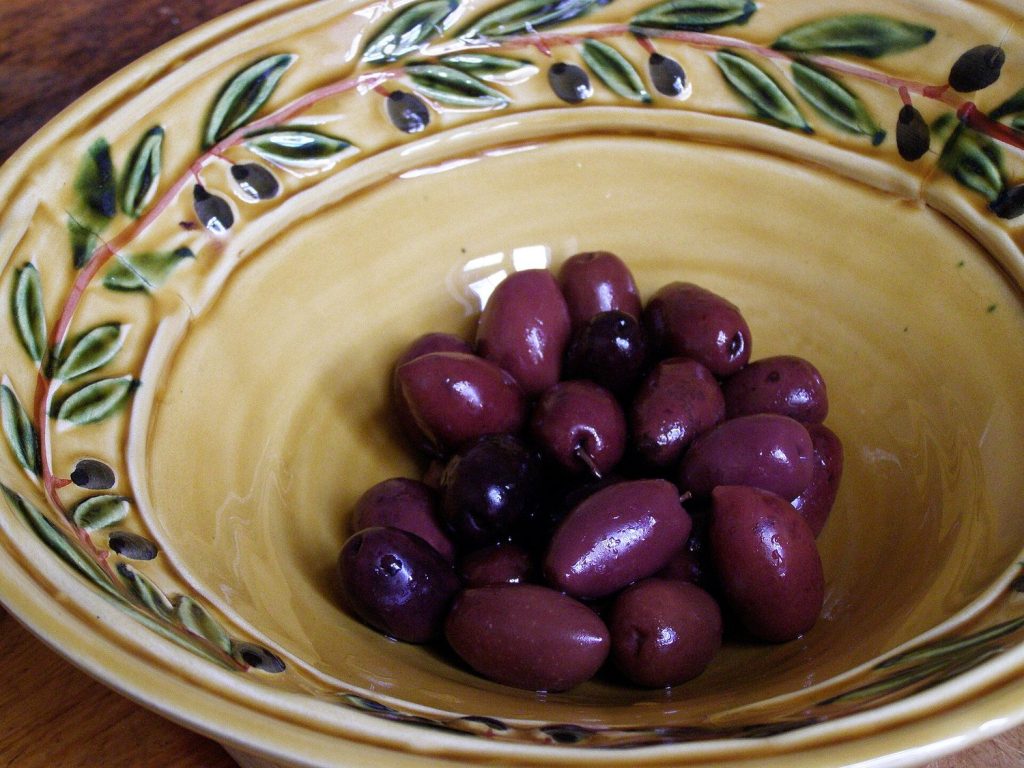
Leccio del Corno is a Tuscan olive variety grown mainly for oil, prized for its vigour, reliable cropping and a peppery, well-balanced extra virgin oil. The name points to Tuscany, where the cultivar has long been part of the region’s olive-growing landscape, and today you’ll find it planted well beyond its home hills. It is chiefly an oil olive rather than a table olive, though its fruit is handsome and firm enough that some growers do brine it. If you enjoy a green, grassy Tuscan-style oil with a good kick of bitterness and pepper, this is a variety worth knowing.
Where it comes from and how it grows
Leccio del Corno belongs to the family of Tuscan oil cultivars that also includes well-known names such as Frantoio, Leccino, Moraiolo and Pendolino. Its name carries the word leccio, the Italian for the holm oak, a nod that recurs across several central-Italian olive names. As always with olives, the variety name tells you where the cultivar was selected and propagated, not a rigid “country of origin” in any exclusive sense; olive genetics move around the Mediterranean freely, and a Tuscan-named tree may share ancestry with cultivars grown elsewhere.
What growers tend to value in Leccio del Corno is its vigour and productivity. It establishes well, crops fairly generously and does so with reasonable consistency, which matters in a crop that is famously prone to alternate bearing (a heavy year followed by a lean one). It has a reputation for good cold tolerance relative to some Mediterranean cultivars, which is part of why it suits Tuscany’s inland hills, where winters bite harder than on the coast. Like most oil varieties it is not strictly self-sufficient for pollination, so it is usually interplanted with compatible pollinators such as Pendolino, a common partner in Tuscan groves.
The fruit itself is medium-sized, ripening from green through to a deep purple-black. Harvest for oil typically happens in autumn, roughly from October into December depending on the season and the style of oil wanted: pick earlier and greener for a punchier, more bitter oil with higher polyphenols, or later for a rounder, milder, higher-yielding pressing. For anyone curious about how ripeness changes the oil in the glass, our olive oil guide walks through the trade-offs.
What the oil is like — and can you eat the olives?
In the bottle, Leccio del Corno leans into the classic Tuscan profile: green and grassy, medium-to-robust in intensity, with a distinct bitterness and a peppery finish that catches the back of the throat. That throat-catch is a good sign; it comes from the same polyphenols (oleocanthal and its relatives) that give fresh, early-harvest oils their reputation for being lively and well-preserved. Expect notes people often describe as fresh-cut grass, artichoke, green almond and sometimes a hint of tomato leaf. It is an oil that stands up to strong food rather than disappearing into it: think grilled meats, bean soups, bitter greens, bruschetta and a peppery drizzle over a steak.
As a table olive, Leccio del Corno is a secondary use rather than the main event. The fruit is firm and can be cured, but the variety is selected and grown first for milling. If you did want to brine some, the usual home methods apply — brine-curing or, for green fruit, a lye or repeated water-change treatment to strip the natural bitterness before storing in salt brine. Our curing guide covers the standard approaches. Most people, though, will meet this cultivar as an oil, often blended with other Tuscan varieties rather than sold as a single-variety bottle.
Here is a quick side-by-side to place Leccio del Corno among its Tuscan neighbours. Treat the figures as broad, widely-accepted tendencies rather than precise measurements — real numbers vary year to year, grove to grove.
| Variety | Primary use | Oil character | Notable trait |
|---|---|---|---|
| Leccio del Corno | Oil (table secondary) | Green, grassy, bitter, peppery | Vigorous, productive, cold-tolerant |
| Frantoio | Oil | Fruity, balanced, aromatic | Benchmark Tuscan oil cultivar |
| Leccino | Oil | Milder, sweeter, softer | Early ripening, disease-tolerant |
| Moraiolo | Oil | Intense, very peppery, robust | High polyphenols, small fruit |
| Pendolino | Pollinator / oil | Light, delicate | Widely used as a pollinator |
If you are choosing an oil to buy or a tree to plant, the short version is this: Leccio del Corno gives you a dependable cropper and a bold, peppery Tuscan oil. It pairs naturally with Frantoio and Moraiolo in a blend, and it is a sensible pick for cooler inland sites where a more tender cultivar might struggle. For the broader picture of how varieties differ, our olive varieties encyclopedia is a good next stop.
Leccio del Corno olives — common questions
Is Leccio del Corno a table olive or an oil olive?
It is primarily an oil olive. The fruit can be cured and eaten, but the cultivar is grown and selected mainly for milling into extra virgin olive oil.
Where does Leccio del Corno come from?
It is a Tuscan cultivar from central Italy, grown alongside varieties like Frantoio, Leccino and Moraiolo. As with all olives, the name reflects where it was selected rather than an exclusive country of origin.
What does Leccio del Corno olive oil taste like?
Expect a green, grassy oil of medium-to-robust intensity, with clear bitterness and a peppery finish — notes of artichoke, green almond and fresh-cut grass are common.
Is Leccio del Corno good for growing in cooler climates?
Relatively, yes. It has a reputation for good vigour and cold tolerance compared with some Mediterranean cultivars, which suits Tuscany’s inland hills. It still needs a compatible pollinator such as Pendolino nearby.