What Is Lampante Olive Oil?
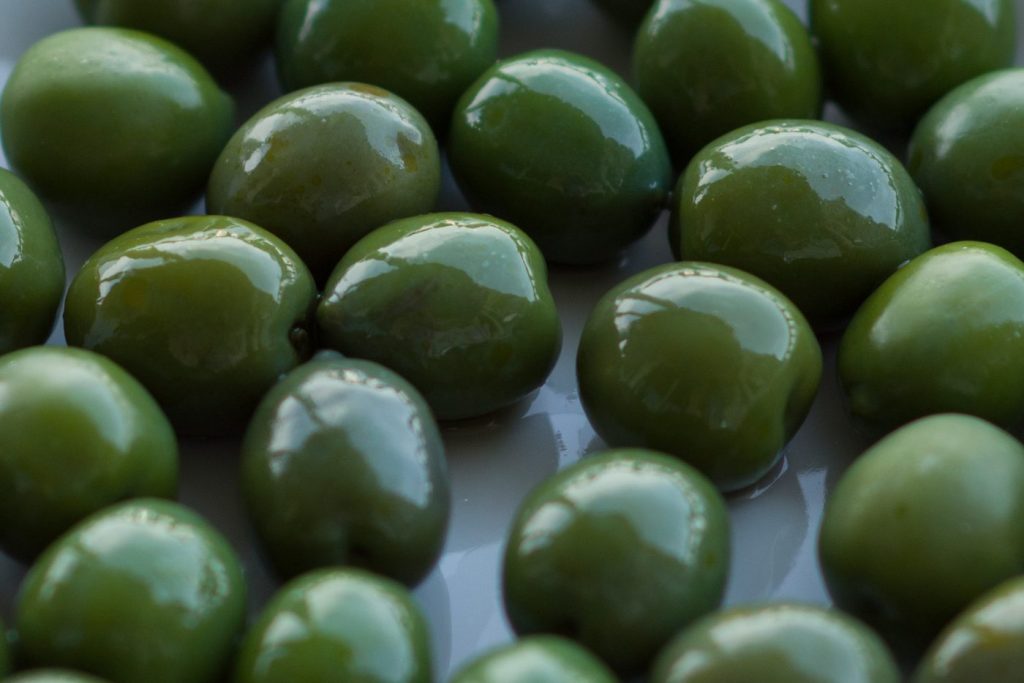
Lampante olive oil is a defective virgin olive oil that fails the taste and quality tests for human consumption in its raw state. It’s pressed from olives in the same mechanical way as extra virgin and virgin oil, with no chemicals and no heat, but something along the way has gone wrong, so it comes out with obvious faults or too much acidity to sell as food. Instead of reaching your table, lampante goes to a refinery, where it’s cleaned up and turned into the neutral oil that gets blended into what’s simply labelled “olive oil” on the shelf. In short: it starts as virgin oil, but you’ll never eat it as it is.
The name gives away its history. “Lampante” comes from the Italian lampa, meaning lamp, this was the grade once burned in oil lamps, long before electricity, when the lowest-quality pressings lit Mediterranean homes rather than dressing salads. The word stuck, even though almost none of it ends up in a lamp today.
Where Lampante Sits Among the Olive Oil Grades
To understand lampante, it helps to see the full ladder of grades. International standards, set by the International Olive Council (IOC) and mirrored in EU regulation, sort olive oil first into virgin oils (produced purely by mechanical means) and then by quality, judged on two things: free acidity, measured as grams of oleic acid per 100 g of oil, and a formal sensory panel that tastes for defects and for fruitiness.
Extra virgin sits at the top: flawless flavour and free acidity no higher than roughly 0.8%. Ordinary virgin allows a whisper of defect and acidity up to around 2%. Lampante is the bottom rung of the virgin category, the oil that either shows clear sensory faults or exceeds about 2% acidity, and so is judged not fit to eat as it is. Below the table you’ll see how refining then rescues it.
| Grade | Free acidity (approx.) | Sensory defects | Edible as-is? |
|---|---|---|---|
| Extra virgin | ≤ 0.8% | None (must be fruity) | Yes |
| Virgin | ≤ 2.0% | Very slight, within tolerance | Yes |
| Lampante virgin | > 2.0% | Clear defect(s) present | No, must be refined |
| Refined olive oil | ≤ 0.3% (after refining) | Neutral, stripped | Yes, but flavourless |
| “Olive oil” (blend) | ≤ 1.0% | Mild | Yes |
The figures above are the widely-accepted headline thresholds; the full official specifications include a raft of other chemical markers (peroxide value, UV absorbance, wax content and more) that laboratories check alongside the taste panel. But acidity and defects are the two that decide, in practice, whether an oil is called lampante.
Why Olive Oil Ends Up as Lampante
Lampante isn’t a variety of olive and it isn’t tied to any one country, oil from Spain, Italy, Greece, Tunisia, Turkey or anywhere else can fall into this grade if things go awry. It’s a quality outcome, not an origin. The usual culprits are all about what happens to the fruit before and during pressing:
- Overripe or damaged fruit: olives left too long on the tree, or bruised in transit, start to break down.
- Fly damage: the olive fruit fly (Bactrocera oleae) punctures the fruit and invites rot.
- Slow handling: olives piled up for days before milling begin to ferment, giving the dreaded “fusty” or “muddy sediment” defects.
- Poor storage: oil left in contact with old paste or stored badly can turn rancid, another classic fault.
These faults are exactly what a trained sensory panel is looking for. A single clear defect is enough to knock an oil down to lampante, no matter how low its acidity. It’s a humbling grade for a producer: the oil was made honestly, by the same cold mechanical process as the finest extra virgin, yet it can’t be sold for the table. If you’d like to see how defects are judged, our guide to olive oil tasting walks through the main faults and how to spot them.
What Happens to Lampante Next
Because lampante is unpalatable but not worthless, it’s sent to a refinery. There, gentle industrial processing, neutralising, bleaching and deodorising, strips out the acidity, the off-flavours and the colour, leaving a clean, neutral refined olive oil. On its own that refined oil tastes of almost nothing, so producers blend a little virgin or extra virgin oil back in to restore some flavour and aroma. The result is the everyday bottle simply labelled “olive oil” (historically “pure olive oil”). It’s perfectly safe and fine for cooking, it just won’t carry the peppery, green character of a good extra virgin. For the difference in the kitchen, see our note on olive oil grades explained.
So while you’ll never buy a bottle marked “lampante” at the supermarket, a good deal of it is quietly working behind the scenes as the raw material for refined and blended oils, and, still, a small amount goes to industrial uses like soap-making and, occasionally, fuel, keeping faith with that old lamp-lit name.
Lampante olive oil, common questions
Is lampante olive oil safe to eat?
Not in its raw state, it’s classed as unfit for consumption because of its faults or high acidity. Once refined and blended, though, it becomes ordinary “olive oil” that’s entirely safe to cook with. This is general food information, not medical or dietary advice.
Can I buy lampante olive oil in a shop?
No. Lampante is a trade grade sold between producers and refineries, not a retail product. You won’t find it bottled for the table; by the time it reaches you it has been refined into something else.
Is lampante the same as pomace oil?
No. Lampante is a virgin oil (mechanically pressed) that happens to be defective. Olive pomace oil is different again, it’s extracted with solvents from the leftover paste after pressing, then refined. Both are refined before eating, but they start from different places.
Why is it called “lampante”?
From the Italian word for “lamp.” Historically this lowest grade of pressed oil was burned in oil lamps for light rather than used as food, and the name has carried on ever since.