The Olive Fruit Fly: A Tiny Pest With Outsized Power
No insect costs the olive world more than Bactrocera oleae. It is small, persistent, and it works from the inside — laying eggs in the fruit so the damage is invisible until you cut the olive open. Understanding it explains a great deal about why some oils taste off.
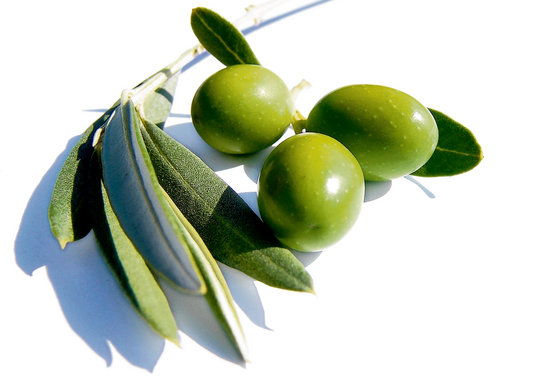
The female olive fruit fly pierces the skin of a ripening olive and lays a single egg just under the surface. The larva that hatches tunnels through the flesh, feeding as it goes, then exits to pupate. That tunnel is the whole problem. It opens the fruit to bacteria and fungi, raises the free acidity of any oil pressed from infested olives, and brings off-flavours that a trained taster spots at once — musty, winey, muddy notes that no amount of careful milling can remove. A grove that looks healthy from the road can be heavily infested, because the wound on each olive is no bigger than a pinprick.
What the fly actually does
The damage is not really the little puncture — it is what comes through it. Once the larva has tunnelled, the flesh starts to break down and micro-organisms move in, and that is what pushes up the free fatty acids and generates the classic defects. It is a quiet, internal ruin. This is why growers cannot simply sort out bad fruit by eye at the mill: a lightly infested olive can look almost perfect on the outside while its inside is already compromised.
| Species | Bactrocera oleae (the olive fruit fly) |
|---|---|
| Attack | Female lays a single egg under the skin of the fruit |
| Damage | Larva tunnels the flesh; opens it to bacteria and fungi |
| Effect on oil | Raises free acidity; musty, winey, muddy off-flavours |
| Grade risk | Heavily flown fruit cannot make extra virgin |
| Favoured by | Warm, humid autumns |
| Grower response | Monitoring, traps and timing; sometimes harvest early |
Why it matters in the bottle
Heavily flown fruit cannot make extra virgin oil, full stop. The acidity climbs past the legal threshold and the defects are obvious on the palate. In a bad year, growers face a hard choice: harvest early before the fly does its worst and accept a lower yield, or gamble on more fruit and risk the whole crop slipping to lampante grade. Warm, humid autumns favour the fly, which is one reason climate shifts worry producers. When you read about a thin harvest in a given region, the fruit fly is often the quiet culprit behind the headline. Read the true cost of an olive for the wider economics.
The defect you can taste
Here is the useful part for a buyer. If a shop oil tastes faintly of wine gone bad or a wet cellar, suspect fly damage rather than age. It is one of the most common defects in cheap blends, where lightly infested fruit gets quietly folded in to avoid wasting it. A fresh, clean bottle from a careful producer is partly a record of good fly control through a difficult autumn — you are paying, in part, for the fruit that was not flown.
Practical takeaways
- A grove can look healthy and still be heavily infested — each wound is a pinprick.
- Fly damage raises acidity and creates musty, winey off-flavours milling cannot remove.
- A wine-gone-bad or wet-cellar note in shop oil often means fly damage, not age.
- Warm, humid autumns favour the fly, so it is a growing worry as the climate shifts.
- A clean bottle is partly a record of good fly control — worth paying for.
The olive fruit fly: common questions
What is the olive fruit fly?
Bactrocera oleae, a small fly whose larva tunnels inside the fruit. It is the costliest pest in the olive world.
How does it damage the oil?
The larva’s tunnel opens the fruit to bacteria and fungi, raising free acidity and creating musty, winey off-flavours that milling cannot remove.
Can heavily infested fruit make extra virgin oil?
No. The acidity climbs past the legal threshold and the defects are obvious on the palate, so the oil drops to a lower grade.
Can I taste fly damage?
Often, yes — a wine-gone-bad or wet-cellar note in a shop oil usually means fly damage rather than age.
Why is it getting worse?
Warm, humid autumns favour the fly, so shifting climate is a growing worry for producers.
If a shop oil tastes faintly of wine gone bad or wet cellar, suspect fly damage rather than age. It is one of the most common defects in cheap blends, where lightly infested fruit gets quietly folded in. A fresh, clean bottle from a careful producer is partly a record of good fly control through a difficult autumn — which is a large part of what you are paying for when a good oil costs more.
Drawn from IOC defect terminology and standard grove-pest practice.