A Grower’s Map of Tunisia
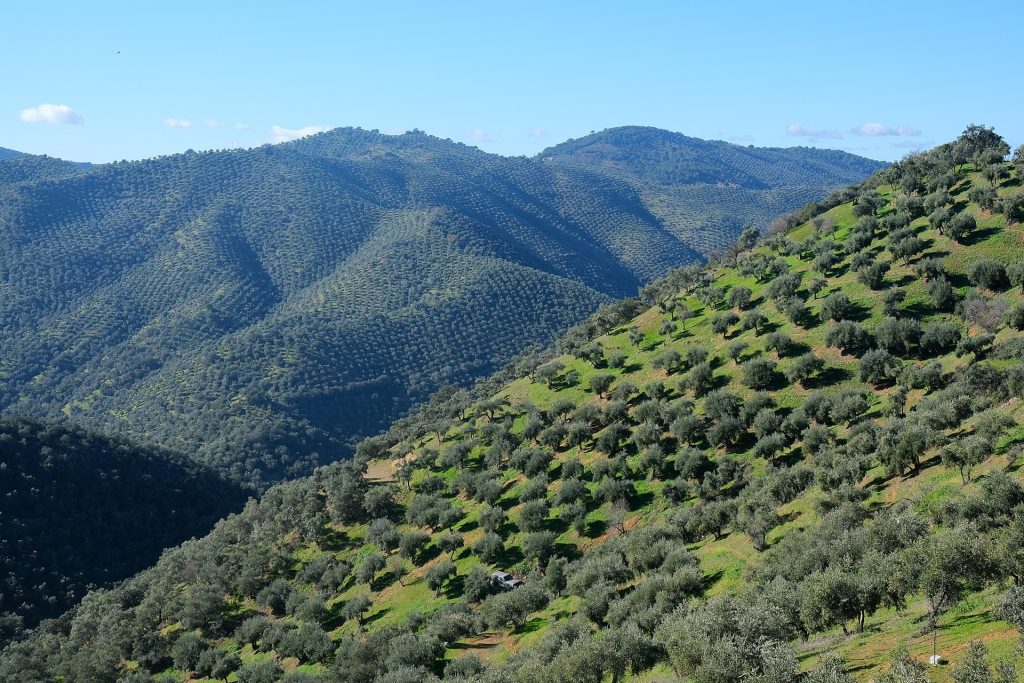
Tunisia is among the largest olive oil producers on earth, with a press-house history older than Rome. Yet much of it leaves anonymous, bound for a blending vat abroad. That hidden-giant status is the best value play in the oil world.
Tunisia is among the largest olive oil producers on earth, with a history of pressing oil that runs back to Carthage and Rome. Yet much of it leaves the country anonymous. Here is a grower’s map of where the olives grow, the conditions they face, and the oils they give — and why this giant stays invisible to the very people who end up drinking it.
The land and how it grows olives
Olive growing runs almost the length of Tunisia, from the cooler, wetter north down through the central plains to the dry, sun-blasted south. Much of the country is semi-arid, so its groves look unlike the dense Mediterranean hillsides elsewhere: trees are often planted far apart, sometimes dozens of metres, each given room to find scarce water across a wide root spread. This low-density, low-rainfall farming yields hardy trees and, in good years, oil of real concentration. The dominant variety for oil is Chetoui in the north and Chemlali across the centre and south, the latter making up a large share of the national crop — a single variety doing much of the heavy lifting.
- The north (Béja, Bizerte) — cooler, wetter, Chetoui country; rounder, fuller oils.
- The Sahel (Sousse, Sfax) — the engine room; Chemlali and the heart of the export trade.
- The centre (Kairouan) — semi-arid plains, wide-spaced trees.
- The south (Médenine, Gabès) — the dry margin, hardy survival farming.
The oils and the anonymity problem
At its best, Tunisian oil is excellent, and the country has won serious international awards in recent years as more producers bottle under their own names. The historic frustration is familiar from the wider trade: a great deal of Tunisian oil has long been exported in bulk to be blended and bottled elsewhere, often emerging on shelves under another country’s flag — the pattern we examine in bottled in Italy. That anonymity has kept prices low and recognition lower. For a curious buyer it spells opportunity: a named, estate-bottled Tunisian extra virgin can offer remarkable quality for the money.
| Region | Main variety | Style |
|---|---|---|
| North (Béja, Bizerte) | Chetoui | Rounder, fuller, more robust |
| Sahel (Sousse, Sfax) | Chemlali | Lighter, the export workhorse |
| Centre (Kairouan) | Chemlali | Concentrated in good years |
| South (Médenine) | Chemlali / local | Hardy, survival-farmed |
Why “bulk origin” is the buyer’s opening
Here is the angle worth grasping. The very thing that has held Tunisia back — that so much of its oil disappears into anonymous blends — is what makes a named Tunisian oil such good value today. The flag has no marketing premium attached, so you pay for the oil, not the reputation. When a Tunisian estate keeps its crop, bottles it under its own name with a harvest date, and skips the blending vat, you are buying the same quality of fruit that other countries quietly pour into bottles bearing more famous labels. The smart buyer treats Tunisia not as a budget compromise but as a hidden-giant origin caught before the rest of the market notices.
| Region | North to south, almost the full country |
|---|---|
| Northern variety | Chetoui (rounder, fuller) |
| Central/southern variety | Chemlali (the national workhorse) |
| Grove style | Low-density, wide-spaced, often rain-fed |
| Harvest | October–January |
| Best label cues | Estate-bottled, named variety, harvest date, Tunisia clear |
Tunisian olive oil: common questions
How big a producer is Tunisia?
One of the largest olive oil producers on earth, with a pressing tradition that predates Rome — even if much of the oil leaves anonymously.
What are the main varieties?
Chetoui in the cooler north and Chemlali across the centre and south, the latter making up a large share of the national crop.
Why don’t I see Tunisian oil on shelves?
A great deal has long been exported in bulk to be blended and bottled in other countries, emerging under their flags. That anonymity kept both prices and recognition low.
Is Tunisian olive oil good value?
It is among the best value-for-quality bets in the oil world, precisely because the name carries less marketing weight than it should.
What should I look for on the label?
An estate-bottled, named-variety oil — Chemlali or Chetoui — with a harvest date and Tunisia clearly stated. You are buying the oil itself, not a famous flag.
Tunisia is one of the best value-for-quality bets in the oil world, precisely because its name carries less marketing weight than it should. Look for an estate-bottled, named-variety oil — Chemlali or Chetoui — with a harvest date and Tunisia clearly on the label. The bulk-export habit that hides the country is exactly what hands you the bargain: you are buying the oil itself, not a famous flag, which is the same fruit that ends up in pricier bottles wearing someone else’s name. Catch a good named Tunisian before the market wises up — that is the deal you want.
Based on Tunisian olive-sector data and regional growing conditions.