US Trade Body Clears the Spanish-Olive Tariffs
In July 2018, the US International Trade Commission ruled that Spanish black olives had materially injured American growers — the final green light for duties that landed weeks later. What looked like a paperwork case became a wall at the border, and it is still standing.
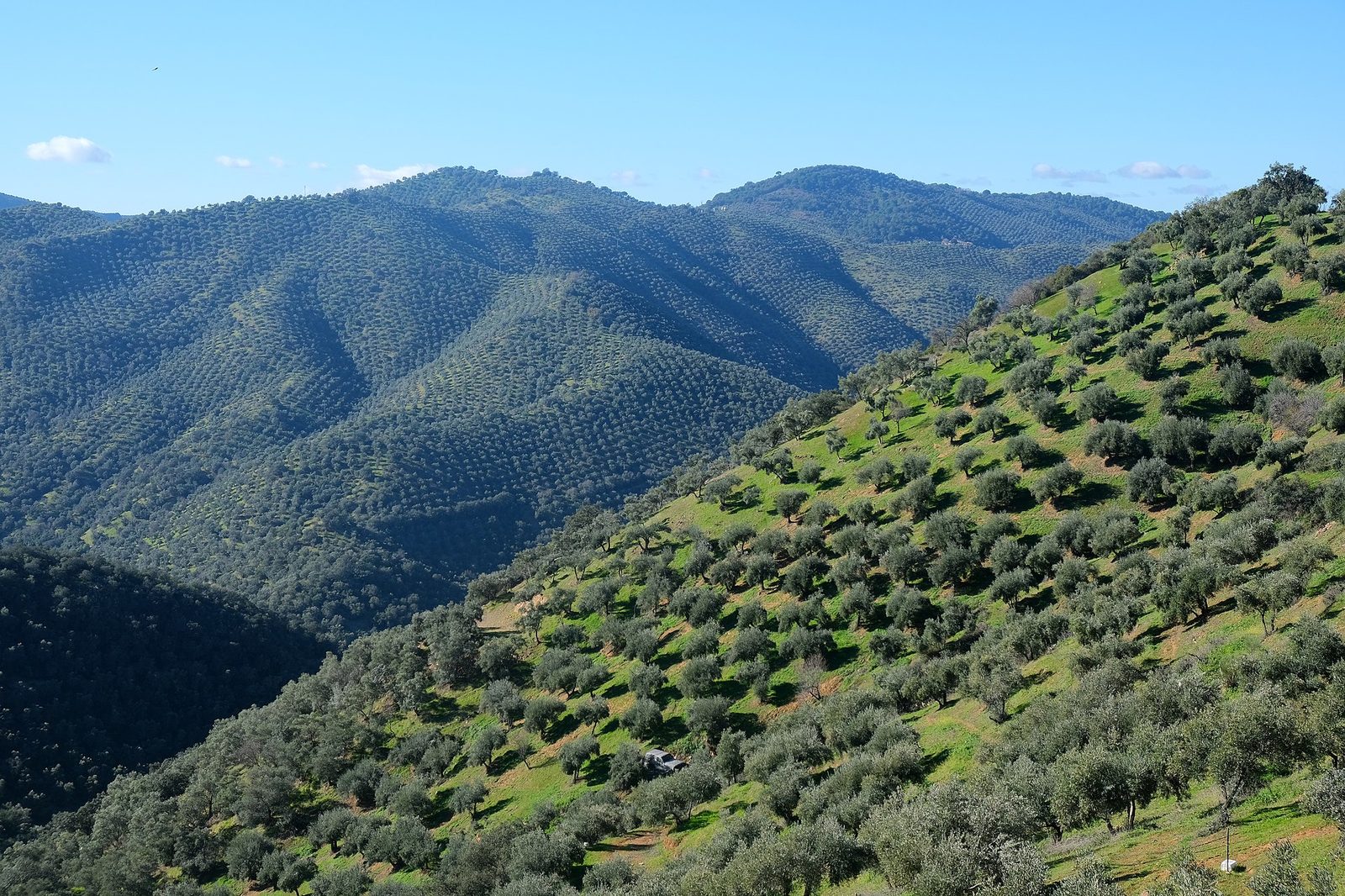
On 10 July 2018, the US International Trade Commission found that the domestic industry was materially injured by Spanish ripe (black) olives sold below value and subsidised by Spain. That affirmative finding cleared the Commerce Department to issue its antidumping and countervailing orders, which took effect on 1 August 2018. Commerce had already calculated the margins — dumping of 16.88–25.50% and subsidies of 7.52–27.02%. The ITC’s finding of American harm was the last piece needed to make the tariffs real.
How a trade case actually works
A US trade remedy needs two separate findings to bite, and it is worth knowing which is which. The Commerce Department decides whether foreign goods are being dumped (sold below fair value) or unfairly subsidised, and by how much. The ITC decides whether that behaviour actually injured a US industry. Both must say yes. Commerce had found the dumping and subsidies; on 10 July 2018 the ITC supplied the missing half by finding real harm to American olive growers. Only then could the duties take effect. The July ruling was the step that turned a calculation into a wall.
The twist: Spain won at the WTO, and the duties stayed
Here is the part that surprises people. Spain and the EU challenged the duties at the World Trade Organization, and in a 2021 ruling the WTO found key parts of the US approach — specifically how it treated subsidies passed to olive processors — inconsistent with global trade rules. On paper, Spain won. And yet the duties did not fall. In a 2024 sunset review, the ITC voted that removing them would likely renew injury to the California ripe-olive industry, so the orders stayed in place. A WTO victory and a live tariff, side by side, for years.
| Stage | What happened | Effect |
|---|---|---|
| Commerce ruling | Found dumping (16.88–25.5%) and subsidies (7.52–27.02%) | Set the tariff rates |
| ITC injury finding (Jul 2018) | US growers materially injured | Cleared the duties to take effect |
| Duties in force (Aug 2018) | Antidumping + countervailing orders | A wall at the US border |
| WTO ruling (2021) | Key parts found WTO-inconsistent | Spain won on paper |
| Sunset review (2024) | ITC voted to keep the orders | Duties still in force |
Why the humble olive became a trade war
It is easy to forget that behind the legal machinery sits a can of ordinary black olives — the pitted, mild, California-style ripe olive that tops a pizza. That everyday product became the centre of a years-long trans-Atlantic fight because it sits exactly where two things collide: a subsidised European farm sector and a protected American one. The case set a precedent that worried EU producers far beyond olives, because the US logic on ‘pass-through’ subsidies could in principle be applied to any farm product supported by EU payments. The olive was small; the principle was not.
What a buyer should take from it
- A trade case needs two findings — unfair pricing (Commerce) and injury (ITC). Both must agree.
- A WTO win doesn’t automatically remove a tariff — the US duties outlasted Spain’s legal victory.
- Tariffs reshape what’s on the shelf — expect more domestic and non-Spanish black olives in the US.
- Everyday foods carry big principles. This ordinary olive set a precedent that rattled EU farming.
The Spanish-olive tariffs: common questions
What did the ITC rule in July 2018?
That US growers were materially injured by Spanish ripe (black) olives sold below value and subsidised by Spain — the finding that cleared the duties to take effect on 1 August 2018.
How high were the duties?
Commerce had calculated antidumping margins of 16.88–25.50% and countervailing (subsidy) margins of 7.52–27.02% on Spanish ripe olives.
Why are two separate findings needed?
Commerce decides whether goods are dumped or subsidised and by how much; the ITC decides whether that injured a US industry. Both must be affirmative for duties to apply.
Didn’t Spain win at the WTO?
Yes — a 2021 WTO ruling found key parts of the US approach inconsistent with trade rules. But the duties stayed, and a 2024 US sunset review kept them in force.
Why did such a small product cause a big fight?
Because the case tested how the US treats EU farm subsidies passed through to processors — a principle that could apply well beyond olives, worrying European producers broadly.
The thing to hold onto here is that a WTO win and a live tariff sat side by side for years. Spain took the US to the WTO, and the WTO largely agreed with Spain in 2021 — and the duties did not budge, because a separate US sunset review in 2024 decided that lifting them would hurt California growers again. That’s how these fights really work: two independent findings to switch a tariff on, and a legal victory abroad that doesn’t automatically switch it off. A humble can of black olives ended up carrying a principle that made the whole EU farm sector nervous.
Drawn from the U.S. International Trade Commission’s July 2018 injury determination, the WTO DS577 ruling, and the 2024 US sunset review on Spanish ripe olives.