A Promising Italian Crop — and the Fly That Threatened It
The olive’s enemies are not only drought and frost. In late summer 2016 Italy’s crop looked set to recover at last — then a warm, humid season gave the olive fruit fly ideal conditions to thrive, a reminder that a tiny insect can hollow out a harvest from the inside.
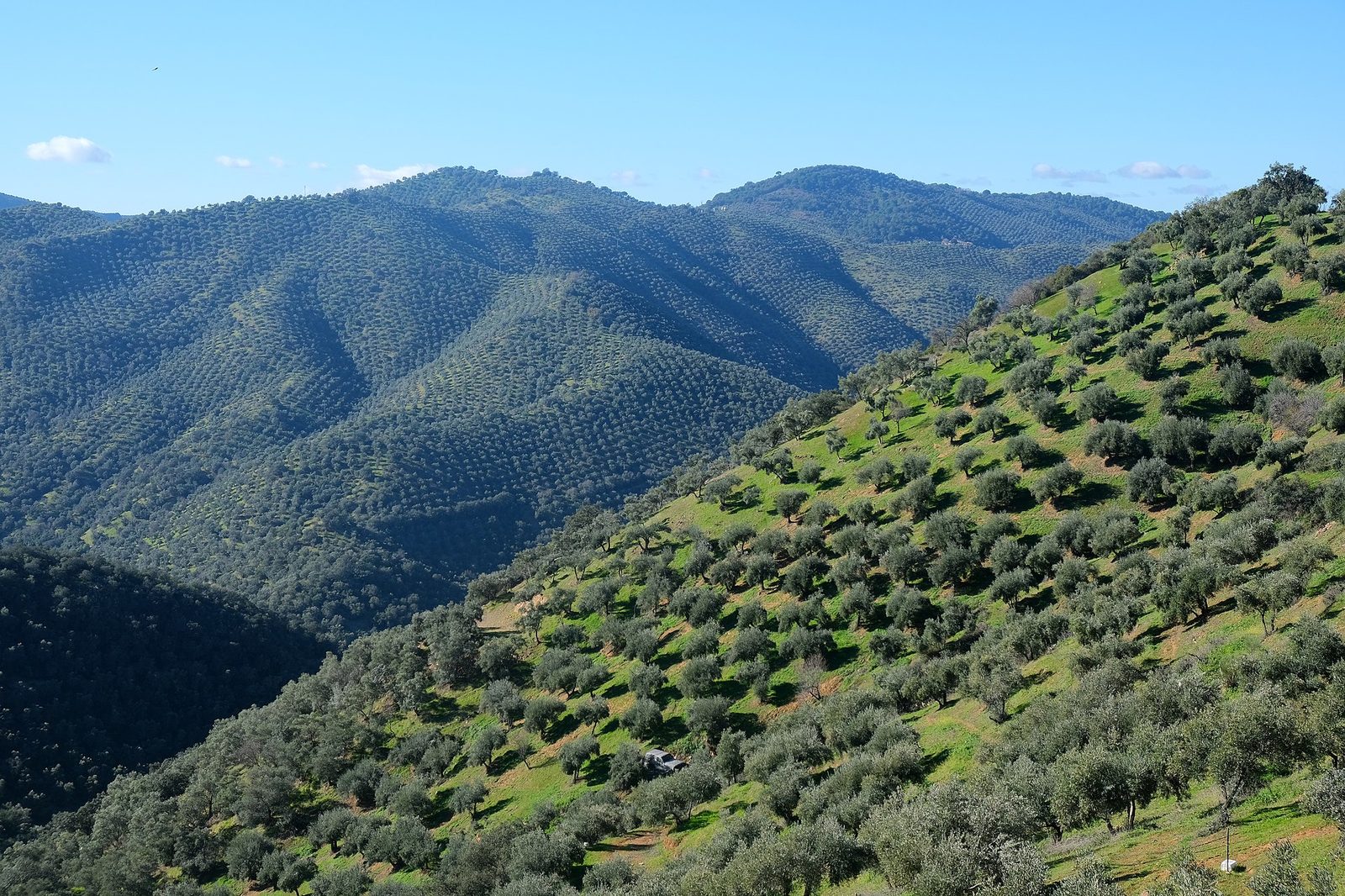
After a dismal previous year, Italy’s 2016 crop looked set to bounce back — but the same warm, humid summer that helped the trees also created ideal conditions for the olive fruit fly (Bactrocera oleae), especially in central and northern regions. As harvest neared, growers watched with real anxiety, because the fly threatens not only how much oil you get but how good it is.
Meet the olive’s smallest enemy
The olive fruit fly is a small insect with an outsized reputation. The female lays a single egg just under the skin of a developing olive; the larva then tunnels through the flesh, eating as it goes. That feeding damages the fruit directly and opens the door to rot and mould. Warm, humid weather lets generations pile up through the season, so a mild, damp year can turn a light infestation into a plague.
Why fly damage means worse oil, not just less
This is the part shoppers rarely hear. Beyond shrinking the harvest, fly-tunnelled olives make poorer oil: the damaged flesh oxidises and ferments, pushing up acidity and dragging in the musty, muddy defects a trained taster can spot instantly. A crop can look adequate by weight and still yield tired, defective oil. So the fly is a quality problem as much as a quantity one — and warmer, wetter summers are steadily loosening the grip that winter cold once kept on it.
How it plays out
2016 was a case study in false hope: a promising crop undercut by ideal fly weather, and in the end the Italian harvest crashed anyway. For a grower, the fly is a race against the calendar — monitor traps, time the harvest, and pick before the larvae finish their work. For a buyer, it is one more reason a cheap bottle in a bad fly year is a gamble: you may be paying for oil pressed from fruit that was already half-eaten.
| Pest | Olive fruit fly (Bactrocera oleae) |
|---|---|
| How it harms | Larvae tunnel the fruit, causing loss and rot |
| Favoured weather | Warm and humid |
| Effect on oil | Higher acidity, musty/fusty defects |
| Most at risk (2016) | Central and northern Italy |
| Outcome | The 2016 Italian crop crashed anyway |
The takeaways
- The fly’s larvae tunnel the fruit — a tiny insect can hollow out a harvest.
- Warm, humid summers let generations pile up, turning a light infestation into a plague.
- Fly damage means worse oil, not just less — higher acidity and musty defects.
- In a bad fly year, a suspiciously cheap bottle is a gamble on already-damaged fruit.
The olive fruit fly: common questions
What is the olive fruit fly?
Bactrocera oleae, a small insect whose larvae tunnel through developing olives, causing crop loss and rot.
Why does warm, humid weather make it worse?
Mild, damp conditions let multiple generations breed through the season, so a light infestation can build into a severe one.
Does the fly only reduce the harvest?
No — it also worsens quality, raising acidity and causing musty, fusty defects, so fly-damaged fruit makes poorer oil.
Did Italy’s 2016 crop recover?
Despite early promise, the warm, humid summer favoured the fly and the Italian harvest crashed anyway.
What can a buyer do about it?
In a known bad fly year, be wary of very cheap oil and favour dated bottles from producers who harvest early and carefully.
People fixate on drought and frost, but the pest that most quietly wrecks a harvest is a fly you can barely see. The cruel twist is that the weather which rescues the trees — warm and a little humid — is exactly what the fruit fly loves too. And here is what the label never admits: fly-damaged fruit does not just mean less oil, it means worse oil, sour and musty. In a bad fly year, that suspiciously cheap bottle may be pressed from olives that were half-eaten before they reached the mill.
Drawn from August 2016 trade reporting on Italy’s crop prospects and favourable conditions for the olive fruit fly.