Chemlali Olives
La petite olive résistante qui domine la Tunisie — une huile douce et dorée, et un géant de l’export.
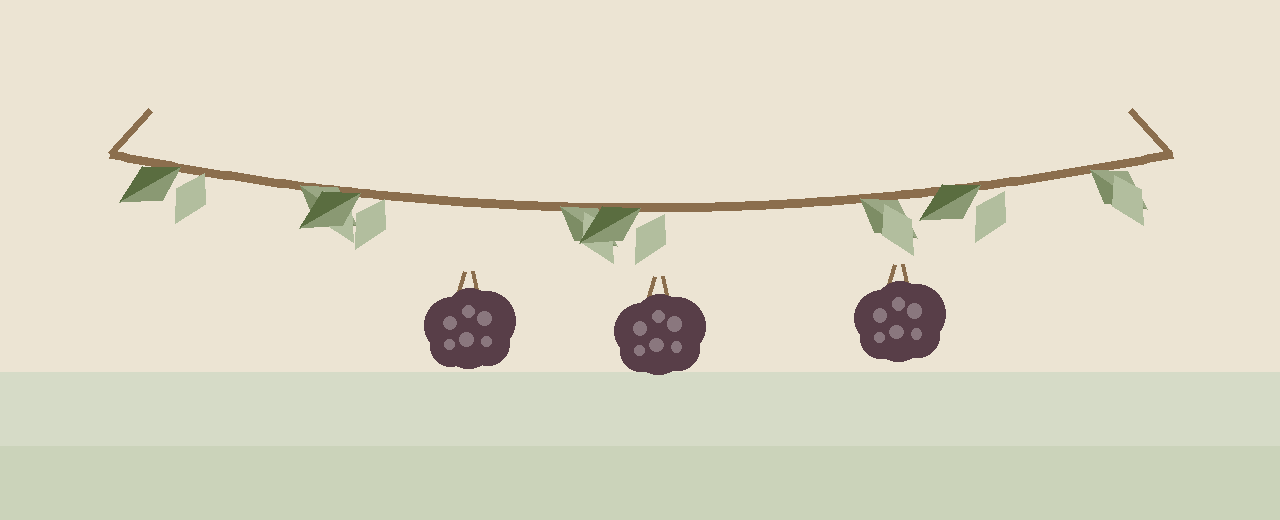
The Chemlali is the olive of Tunisia — by far the country’s most planted variety, centred on the groves around Sfax. It is small, prolific and remarkably tough in heat and drought, which is why it carpets the semi-arid Tunisian plains. Pressed, it gives a mild, sweet, golden oil low in bitterness. Tunisia is one of the world’s largest olive-oil exporters, and the Chemlali is the reason.
- Origin
- Sfax / central Tunisia
- Type
- Oil olive
- Colour
- Purple-black
- Size
- Small
- Flavour (oil)
- Mild, sweet, golden
- Traits
- Very drought-hardy
- Best for
- Everyday oil, blending
The desert’s oil olive
The Chemlali thrives where many olives would struggle — hot, dry, low-rainfall country — and it bears generously. Its oil is gentle and sweet, with light fruit and little bitterness, which makes it easy to drink and useful for blending. Much of it has historically been exported in bulk, some of it ending up, unnamed, in bottles labelled for other countries.
For years a great deal of Tunisian oil crossed the Mediterranean to be blended and bottled elsewhere, sold under more famous flags. That is changing — Tunisia now bottles excellent single-origin oil under its own name. If you see a Tunisian extra virgin, often Chemlali, it is well worth trying, and usually well priced for the quality.