Why Olive Oil Prices Spiked
Olive oil reached record prices in the mid-2020s, and the reason was old-fashioned — drought and heat in the Mediterranean. But the full story is more interesting than ‘a bad harvest’, and it says a great deal about where the world’s olives actually grow.
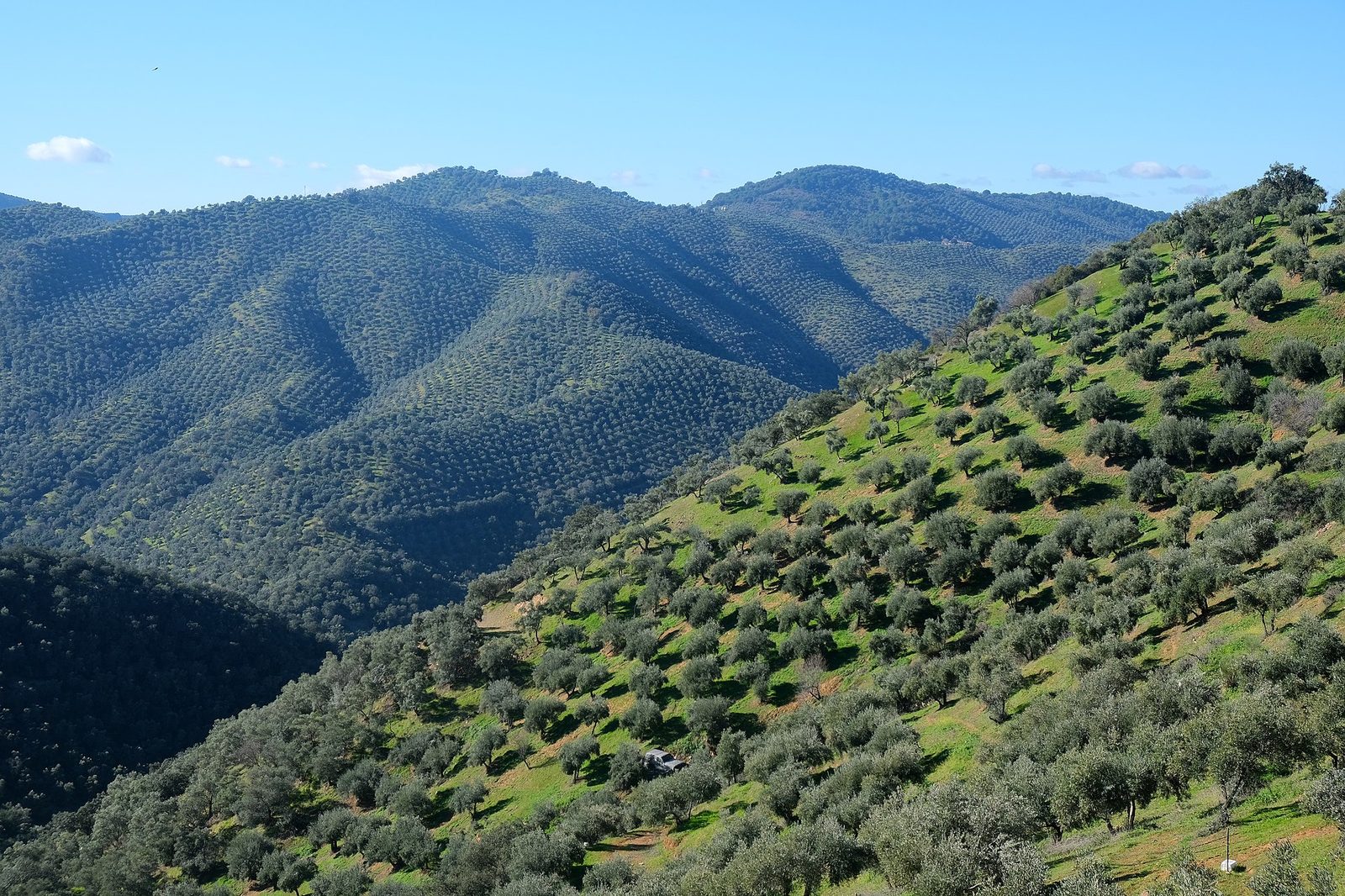
For a couple of years in the mid-2020s, a bottle of decent extra virgin cost what a small luxury costs. Shoppers blamed profiteering, greedy retailers, even a cartel. The truth was duller and harder to argue with: the weather. To understand why one region’s dry summer can double the price of a pantry staple on the other side of the planet, you have to understand how lopsided the olive world still is.
It really was the weather
Across the early 2020s, severe drought and record heat hit the major Mediterranean growing countries, Spain worst of all. Spain is the largest olive-oil producer on earth by a wide margin, and in the worst years its harvest roughly halved — from a typical 1.4–1.5 million tonnes down toward 600,000–700,000. Less oil, steady demand, and the price climbed to records; in many markets it more or less doubled. No conspiracy, no cartel — just heat, drought, and a tree that fruits only once a year and cannot be hurried.
Why one region’s weather moves the whole world’s price
Here is the part worth getting right, because it is widely misunderstood. Olives are not grown around a single sea. They are now grown on five continents: California, Texas and Arizona in the United States; Australia and New Zealand; Chile, Argentina, Uruguay and Peru in South America; South Africa; and of course all around the Mediterranean. The Southern Hemisphere even harvests in the opposite season — their autumn is our spring — so the world can press fresh oil twice a year.
The catch: the Mediterranean still presses most of it
The newer producing countries are real, growing, and often excellent. But they are still too small a share of total volume to cover a collapse in the Spanish harvest. Spain alone is around 40% of global supply in a normal year, with Italy, Greece, Tunisia, Turkey, Morocco and Portugal making up most of the rest. So when the Mediterranean has a bad year, the entire world feels it at the till — no matter where its own bottle happened to be pressed.
The takeaway for your bottle
Two things. In a drought year, a suspiciously cheap bottle deserves a hard look — someone in the chain cut a corner, and it is worth knowing how olive oil gets cut and what a real bottle actually costs. And second: pay attention to origin and harvest date, not just price. A counter-seasonal oil pressed in the Southern Hemisphere in May can be the freshest extra virgin on a Northern shelf all summer, when the Spanish oil is nearly a year old.
- One bad Mediterranean year can double the world price — it is a supply story, not a scam.
- Spain is the swing producer; watch its rainfall, not the headlines.
- Buy on harvest date and origin, not on the shelf price alone.
- For fresh oil out of season, look to the Southern Hemisphere harvest.
Olive-oil prices: common questions
Why did olive oil get so expensive?
Repeated drought and record heat in the Mediterranean — above all in Spain, the largest producer — roughly halved harvests in the worst years, and with steady demand the price climbed to records.
Was it price-gouging or a cartel?
No. The rise tracked a genuine shortfall in supply from a tree that fruits only once a year and cannot be rushed. It was the weather, not a conspiracy.
Aren’t olives grown all over the world now?
Yes — on five continents. But the Mediterranean, and Spain in particular, still presses the great majority of the world’s oil, so it sets the global price.
Does a cheaper bottle mean a worse one?
In a shortage year, a suspiciously cheap bottle deserves suspicion — it may be cut or mislabelled. Read the origin and harvest date before the price.
How can I buy fresh oil out of season?
Look for a Southern-Hemisphere oil (Australia, Chile, Argentina, South Africa) pressed in their autumn — our spring — when Northern oil is nearly a year old.
The spread of olive growing is slowly loosening the Mediterranean’s grip on your wallet. As California, Australia, Chile and the rest scale up, a single Spanish drought stings a little less than it used to — and the counter-seasonal harvest is a genuine gift. An Australian or Chilean oil pressed in May is the freshest extra virgin on a Northern-hemisphere shelf all summer. If you want a fresh oil out of season, stop looking north and look south.
Drawn from International Olive Council production data and Mediterranean harvest reporting.