Olive Oil for Dry Skin: Does It Help?
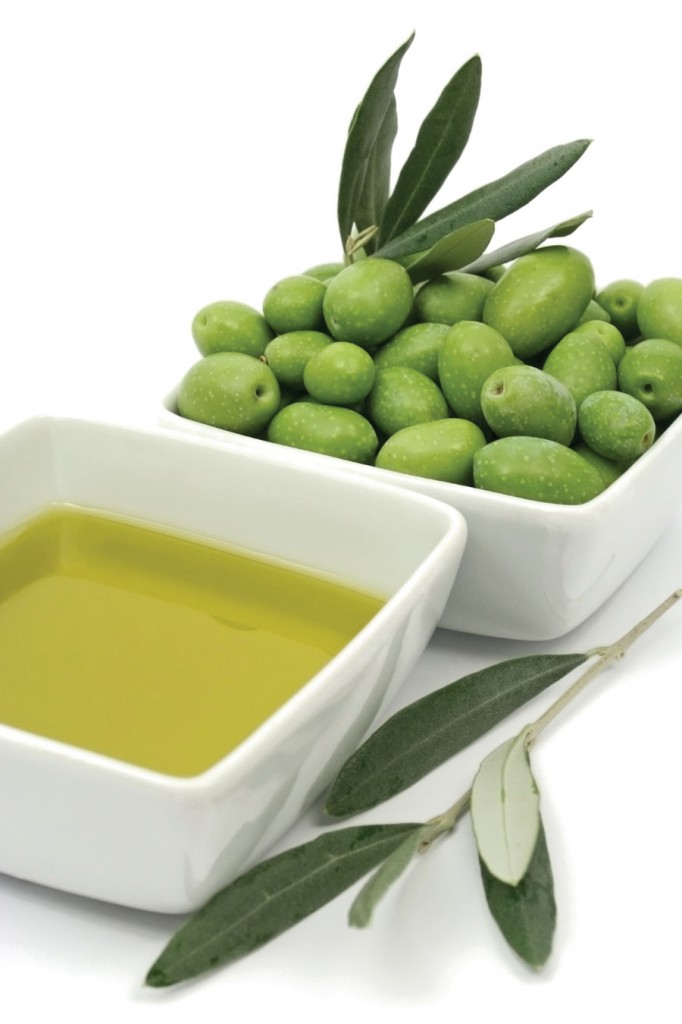
Yes — for most people, plain olive oil is a decent, cheap way to soften and seal dry skin, but it is not a cure and it is not right for everyone. It works as an emollient and a partial occlusive: it fills the gaps between flaking skin cells and lays down a light film that slows water loss. What it will not do is repair a damaged skin barrier the way a well-formulated moisturiser can, and for a few conditions — eczema and acne in particular — it can quietly make things worse. So the honest answer is “often helpful, sometimes not, and never a substitute for medical advice.”
How olive oil actually works on skin
Dry skin (the dermatologists call it xerosis) is really a barrier problem. The outermost layer of skin holds moisture in through a mix of lipids and natural moisturising factors. When that layer is depleted — by cold air, hard water, over-washing, ageing, or simply genetics — water escapes faster than it should and the skin feels tight, rough and itchy.
Moisturising ingredients tackle this in three broad ways, and olive oil sits mostly in the first two:
| Type | What it does | Where olive oil fits |
|---|---|---|
| Emollient | Fills gaps between skin cells, smooths and softens the surface | Strong — this is olive oil’s main job |
| Occlusive | Forms a film that slows water evaporation | Partial — lighter and less sealing than petrolatum or beeswax |
| Humectant | Draws and binds water into the skin | Essentially none — olive oil holds no water |
That last row matters. Because olive oil brings no water of its own, it works best applied to skin that is already damp — straight after a bath or shower, when there is moisture on the surface to trap. On bone-dry skin it will soften and smooth, but it has little water to seal in. The old Mediterranean habit of oiling the skin after bathing, rather than before, turns out to be sound.
Olive oil is roughly three-quarters oleic acid, a monounsaturated fatty acid, with smaller amounts of linoleic and palmitic acids plus a little vitamin E and squalene. Squalene is worth a mention because it also occurs naturally in human skin oil (sebum), which is part of why olive oil feels so compatible on the skin. If you want the full picture of what is inside the oil, our olive oil guide breaks down the fatty-acid and polyphenol content.
When it helps — and when to be careful
For everyday dryness on arms, legs, elbows, hands and feet, a thin layer of extra virgin olive oil after washing is a reasonable, low-cost option. Many people also use it as a gentle cleansing oil, a cuticle softener, or a pre-shampoo treatment for dry ends. A little goes a long way — the goal is a sheen, not a slick.
But the picture is genuinely mixed, and this is where a lot of “olive oil fixes everything” advice falls down:
- Eczema and very sensitive skin: here is the honest caution. Olive oil is high in oleic acid, and research on skin barrier function suggests that high-oleic oils can actually disrupt the barrier and increase water loss in some people, especially those already prone to eczema (atopic dermatitis). Infant-skin studies have raised the same flag. If you or your child has eczema, olive oil is not the safe default it is often assumed to be — a linoleic-acid-rich oil, or better still a proper barrier cream, tends to behave better. Ask a doctor or dermatologist first.
- Acne-prone or oily skin: olive oil is only moderately comedogenic, but “moderately” is enough to block pores for some people. On the face, patch-test first and keep it off areas that break out easily.
- Broken, weeping or infected skin: don’t self-treat cracked, oozing or inflamed skin with kitchen oil — see a professional.
A few practical notes if you do use it. Choose a fresh extra virgin oil you would be happy to eat — the same qualities that make a good eating oil (low acidity, no rancid or “off” smell) make a better skin oil, and rancid oil is more irritating. Store it away from heat and light. Do a patch test on the inner forearm and wait a day before spreading it more widely, particularly on the face. And keep expectations sensible: olive oil soothes and softens, but severe, persistent or spreading dryness is a reason to see a GP or dermatologist rather than reach for the pantry.
None of this is medical advice — it is general information from an olive-loving website, not a clinician. Skin is personal, and what suits one person irritates the next.
Olive oil for dry skin: common questions
Can I put olive oil directly on my face?
You can, but be cautious if you are acne-prone or have oily skin, since it can block pores in some people. Patch-test first, use a thin layer, and apply it to slightly damp skin. If breakouts appear, stop.
Is olive oil or coconut oil better for dry skin?
It depends on your skin. Coconut oil is more occlusive and has some antibacterial fatty acids, but it is also more comedogenic. Olive oil is lighter and richer in squalene. For eczema-prone skin, many people find both oleic-heavy oils unhelpful and do better with a formulated cream.
How often should I apply it?
Once or twice a day is plenty — ideally right after bathing while the skin is still damp, so there is surface water for the oil to seal in. More is not better; a light sheen is the aim.
Does extra virgin olive oil work better than regular olive oil?
For skin, freshness matters more than grade. Extra virgin is less processed and keeps more of its vitamin E and squalene, but any olive oil that smells clean and fresh will soften skin. Avoid rancid oil — it can irritate.