Olive Pollen Allergy: When the Tree Makes You Sneeze
You can love olives and still dread the olive tree, because for a few weeks each spring it releases one of the great hay-fever pollens of the Mediterranean. The good news: the fruit on your plate has almost nothing to do with it.
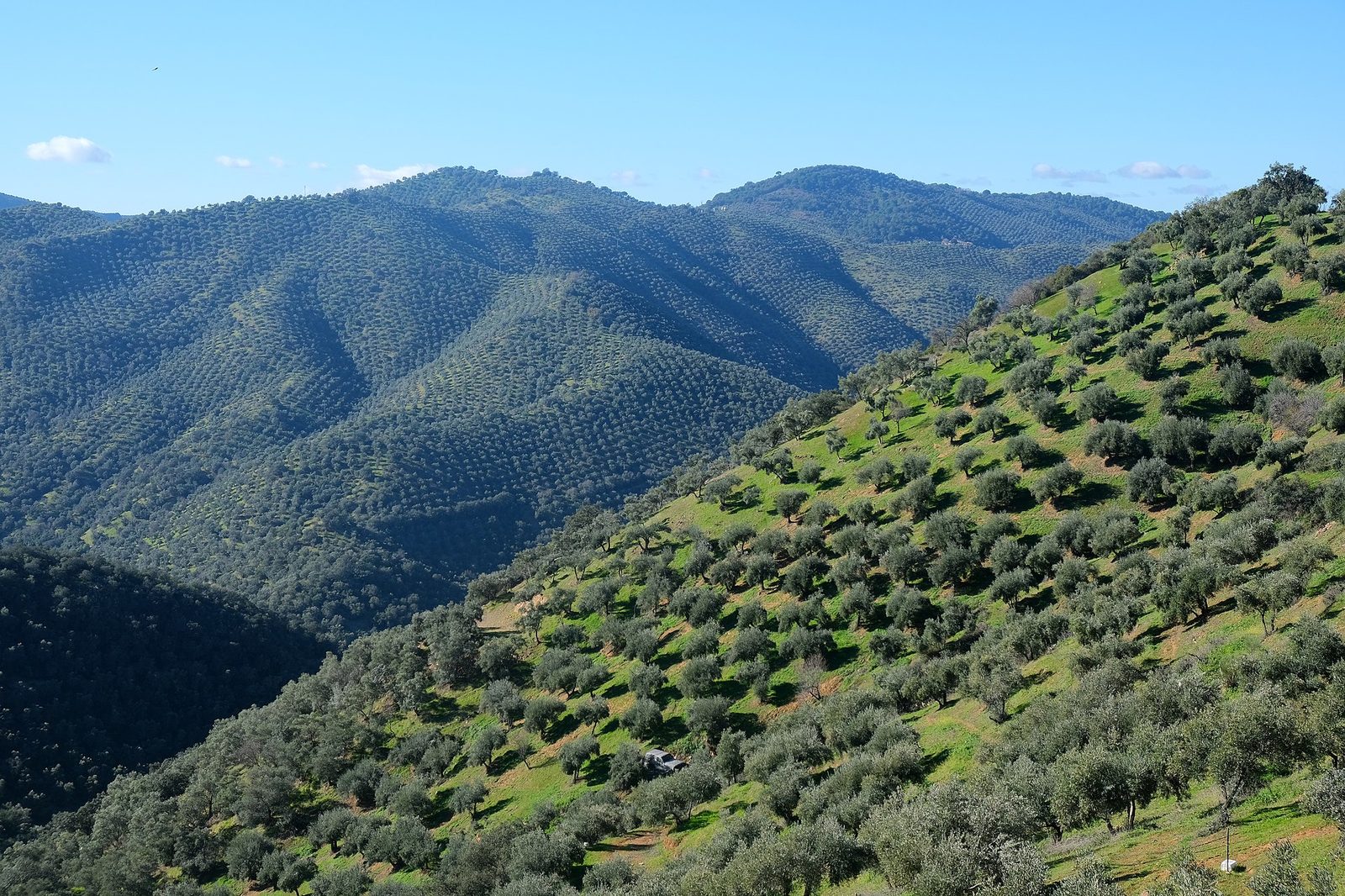
It surprises people every time. The olive tree — the emblem of gentle Mediterranean living — is one of the most significant seasonal allergens in southern Europe, the Middle East and North Africa, and increasingly anywhere olives are planted in quantity. Not the fruit. Not the oil. The pollen, cast on the wind for a few intense weeks in late spring.
Why an olive grove in flower is a problem
The olive is wind-pollinated, and wind pollination is a numbers game. A tree in full flower produces an enormous quantity of very fine, light pollen and simply throws it into the air in the hope that some of it lands somewhere useful. Almost all of it does not — it drifts for kilometres, settles on cars, coats window ledges, and is inhaled by everyone in the district.
In regions with dense olive plantings, Olea europaea pollen ranks among the leading causes of seasonal allergic rhinitis and can aggravate asthma, in some areas second only to grasses. The season is short but brutal: a few weeks, usually somewhere between April and June depending on latitude and altitude, with counts that can spike hard on warm, dry, breezy days. Some Mediterranean cities have restricted new olive plantings in urban streets specifically for this reason.
| Species | Olea europaea — the cultivated olive, family Oleaceae |
|---|---|
| Major allergen | Ole e 1, a glycoprotein of 145 amino acids |
| Share of pollen protein | Ole e 1 makes up more than 10% of the pollen’s total protein |
| Sensitisation frequency | Roughly 70% to over 80% of olive-pollen-allergic patients react to Ole e 1 |
| Cross-reactivity | High sequence homology with allergens of other Oleaceae — ash, privet, lilac |
| Season | Late spring flowering, typically a few weeks ; worst on warm, dry, windy days |
| Symptoms | Sneezing, blocked or running nose, itchy and streaming eyes, asthma flare-ups |
The fruit and the oil are innocent
This is the single most useful thing to know, and it gets muddled constantly. Olive pollen allergy is a respiratory allergy to an inhaled pollen protein. It is not a food allergy. Being floored by the grove in May does not mean you must give up olives, tapenade or your bottle of extra virgin — genuine allergy to the olive fruit or to olive oil is extremely rare, and refined oil in particular contains almost no protein at all.
The confusion arises because people reasonably assume that if the tree makes them ill, the tree’s produce will too. It does not follow. The allergenic protein lives in the pollen grain, not in the drupe, and the processes that turn a bitter fruit into a table olive or a bottle of oil have nothing to do with flowering. This is general information, not medical advice. If you have reacted to a food itself, that is a question for a doctor, not for a website.
The cross-reactivity nobody warns you about
Here is a genuinely useful, non-obvious point. Ole e 1 shares a great deal of its structure with the major allergens of other plants in the Oleaceae family — ash, privet, lilac, jasmine. The overlap with ash is so strong that Ole e 1 is used as a diagnostic marker for Oleaceae sensitisation generally.
Practically, that means two things. First, someone who has always assumed they react to olive groves may in fact be reacting to the ash trees or privet hedges around them, or to all of the above. Second, someone diagnosed in northern Europe with an ash-pollen allergy may find their symptoms suddenly worsen on a spring holiday in Andalusia or the Peloponnese, without ever connecting it to the olives. If your hay fever has an odd geography to it, this family relationship is often the explanation.
Getting through the season
- Watch the pollen forecast in olive regions during late spring, and plan outdoor time around the peaks.
- Keep windows shut on warm, windy days, which is exactly when counts spike, and ventilate in the evening or after rain instead.
- Rinse face and hair, and change clothes after being out among trees in flower — you carry pollen indoors with you.
- Ask about testing. Component testing for Ole e 1 can distinguish olive from ash and other Oleaceae, which matters if immunotherapy is being considered.
- Do not stop eating olives on the strength of a pollen allergy. They are a different problem entirely.
Olive pollen allergy: common questions
Can you be allergic to olive trees but still eat olives?
Yes, and most people in that position can. Olive pollen allergy is a respiratory reaction to a protein in the pollen. True allergy to the olive fruit or to olive oil is extremely rare.
When is the olive pollen season?
Late spring — broadly April to June, varying with latitude, altitude and the year’s weather. It is short but intense, and counts climb on warm, dry, breezy days.
What is Ole e 1?
The major olive pollen allergen, a glycoprotein making up more than a tenth of the pollen’s protein. Most people allergic to olive pollen react to it, and it is used as a diagnostic marker.
Why do I react to ash trees and olives both?
Because they belong to the same family, Oleaceae, and their major allergens are structurally similar enough to cross-react. Privet, lilac and jasmine sit in the same group.
Does olive oil cause allergic reactions?
Very seldom. Oil contains almost no protein, and refined oil essentially none. Reactions attributed to olive oil are more often to something else in the dish.
If spring around the groves floors you, take some comfort from the calendar: the olive flowers for a few weeks and then it is done, which is more than can be said for grasses. And do not let anyone talk you out of the fruit. I have met people who gave up olives entirely because a doctor mentioned an olive allergy, having never asked which part of the plant was meant. It is worth asking. Losing a fortnight of open windows is a nuisance ; losing tapenade for life, on a misunderstanding, is a tragedy.
Drawn from published allergen characterisation of Ole e 1 and studies of Oleaceae pollen cross-reactivity, together with Mediterranean aerobiological monitoring literature.