In Focus: The Taggiasca Olive
The Taggiasca is the pride of Liguria, the slim coastal region of the Italian Riviera. Small, brown-purple and intensely flavoured, it does double duty — a prized table olive and the source of one of Italy’s most delicate, sought-after oils. It is also one of the most imitated names in the trade.
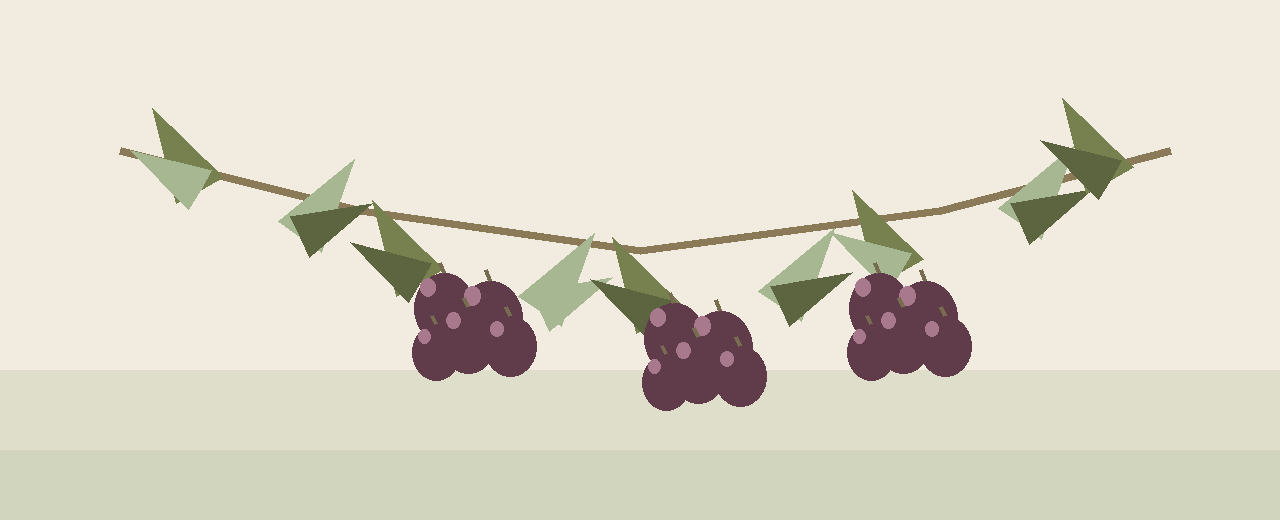
Taggiasca takes its name from the town of Taggia, near Imperia in western Liguria, where it has been grown on steep coastal terraces for centuries. The fruit is small, ripening from green to a warm brown-purple, with a sweet, almondy, gently bitter taste that makes it a star table olive — the classic olive of true Ligurian cooking and the soul of a proper coniglio alla ligure. Pressed for oil, the same fruit gives a light, delicate, sweetly fruity extra virgin with mild bitterness and a faint almond note — refined rather than powerful, and perfect with the region’s fish and vegetables.
Liguria’s little jewel
Liguria is a thin, mountainous strip of coast, and there is simply not much flat land to farm — which is why Taggiasca grows on hand-built terraces and why it has always been a small, precious crop. That scarcity is central to its story. The olive itself is delicate and sweet, quite unlike the fierce oils of the south, and it suits the region’s light, fish-and-vegetable cooking perfectly. For the wider family, see Italian olives.
In the kitchen
Whole Taggiasca olives — stones in, packed in good oil — are worth seeking out for antipasti, fish stews and Ligurian sauces. Do not waste them in heavy, spiced dishes that would bury their delicacy. The oil, light and sweet, is for finishing fish, steamed vegetables and fresh pasta, not for hard frying. Buy small, buy fresh, and let its subtlety do the talking.
Small harvest, big reputation, many fakes
Here is where the buyer must stay sharp. Those Ligurian terraces are steep, hand-worked and low-yielding, so true Taggiasca — olives or oil — is genuinely scarce and genuinely expensive. Its fame far outstrips its supply, which means the name is heavily borrowed: jars of small dark olives and bottles of ‘Ligurian-style’ oil that owe little to Taggia, sometimes not even to Liguria. For the real thing, look for a Ligurian source and ideally the ‘Riviera Ligure’ PDO on oil. If a Taggiasca looks cheap, be sceptical — honest Taggiasca rarely is. See the true cost of an olive.
| Origin | Western Liguria (Taggia/Imperia), Italy |
|---|---|
| Type | Dual-purpose (table & oil) |
| Protected origin | PDO Riviera Ligure (oil) |
| Harvest | November–February |
| Flavour | Sweet, almondy, delicate; mild bitterness |
| Best use | Antipasti, fish stews; light finishing oil |
Buying & using Taggiasca
- Buy whole olives, stones in, packed in good oil — for antipasti and fish stews.
- Use the oil for finishing fish, steamed vegetables and fresh pasta, not hard frying.
- Look for a Ligurian source and ideally the ‘Riviera Ligure’ PDO on oil.
- Be sceptical of a cheap Taggiasca — the real thing is scarce and dear.
Taggiasca olives: common questions
Is Taggiasca a table or an oil olive?
Both — it is dual-purpose. It is a prized small table olive and the source of a delicate, sought-after Ligurian oil.
Where does Taggiasca come from?
Western Liguria on the Italian Riviera, around the town of Taggia near Imperia, grown on steep coastal terraces.
What does Taggiasca taste like?
Sweet, almondy and gently bitter as a table olive; light, delicate and sweetly fruity as an oil — refined rather than powerful.
Why is Taggiasca so expensive?
Liguria’s terraces are steep, hand-worked and low-yielding, so genuine Taggiasca is scarce. Its fame outstrips its supply, which is why the name is so often borrowed.
How do I avoid a fake Taggiasca?
Look for a clear Ligurian source and, for oil, the ‘Riviera Ligure’ PDO. Treat suspiciously cheap ‘Ligurian-style’ products with doubt.
Whole Taggiasca olives, stones in and packed in good oil, are worth seeking out for antipasti, fish stews and Ligurian sauces — do not waste them in heavy, spiced dishes that would bury their delicacy. The oil, light and sweet, is for finishing fish, steamed vegetables and fresh pasta, not for hard frying. Buy small, buy fresh, and be sceptical of anything cheap: the name is borrowed far more often than the real Ligurian fruit is grown.
Drawn from Riviera Ligure PDO documentation and Italian variety references.