Libya Plans a National Label to Sell Its Olive Oil in Europe
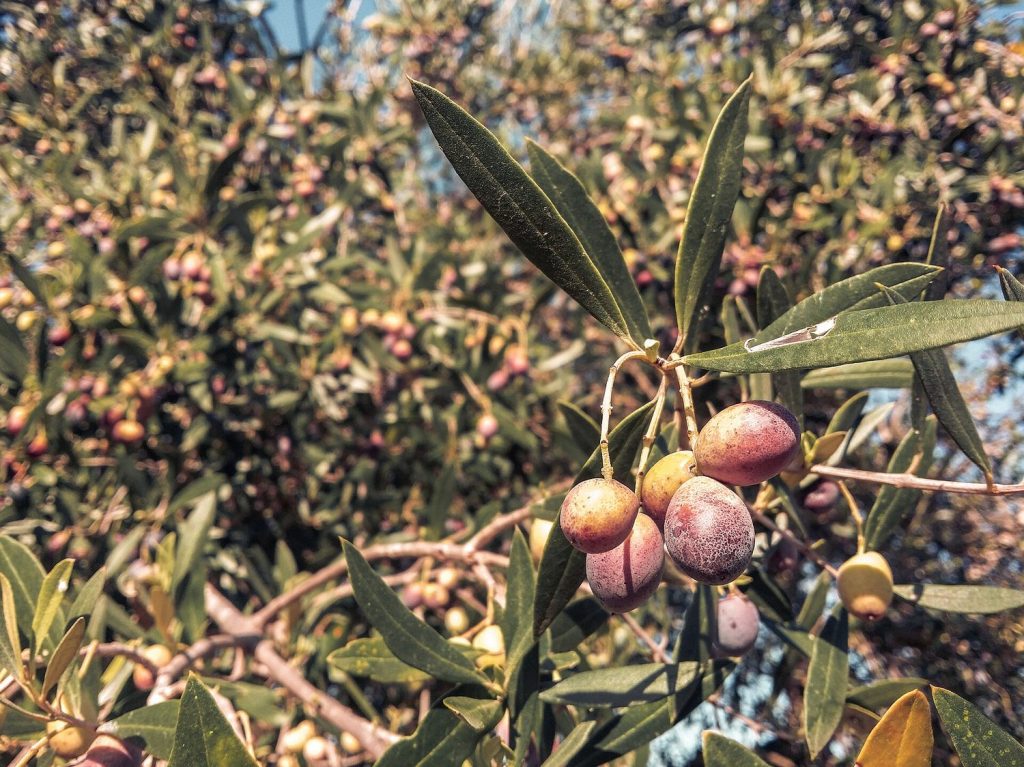
Libya wants to sell its olive oil in Europe: officials in Tripoli say they will develop a national label, back private producers and help with everything from choosing varieties to packaging. The country has more than 8 million olive trees but is a small player in world trade. Here is what Libya is planning, where it stands today, and what it will take for Libyan oil to reach European shelves.
What was announced
Officials at the export promotion center in Tripoli said Libya will promote the quality of its olive production to expand exports to Europe, Olive Oil Times reported this week, drawing on the Libya Herald and other outlets. An exhibition of olives and dates in Tripoli last month discussed the crop as a trade opportunity. The AFP news agency, which first reported the plan in December, quoted Taher al-Zweibek of the promotion center: “A national label will be created and used to identify Libyan products in order to facilitate marketing.”
Officials acknowledged that European buyers expect high standards of quality, packaging and labeling. The state, they said, will get involved across the production chain and commission studies of the European market to help exporters understand what they are up against.
| Libya and olives | Figure |
|---|---|
| Olive trees | More than 8 million |
| Olives a year (ministry figures) | 160,000 tons |
| Olive oil a year (ministry figures) | 32,000 tons |
| 2012/13 olive oil estimate (IOC) | 15,000 tons |
| Arbequina planted after trials | More than 1,900 hectares |
| Arable land | 3.6 million hectares, about 2 percent of the country |
Where Libya stands
AFP ranks Libya as the world’s 12th olive oil producer, with about 0.25 percent of world output. Libyan agriculture ministry figures put the crop at around 160,000 tons of olives and 32,000 tons of oil a year, but the harvest swings with the rain. The member estimates presented to the International Olive Council in November put Libya’s 2012/13 olive oil at 15,000 tons, a reminder of how much a dry, alternate-bearing year can take away.
The olive suits the country: it tolerates drought, and most of Libya’s farmland is dry. The more modern part of the plan is Arbequina, the Catalan variety that suits dense, irrigated plantings. After encouraging trials, more than 1,900 hectares have been planted under two agricultural projects, according to the reports. Neighboring Tunisia shows both the promise and the problem: a big exporter whose oil has long gone to Europe in bulk to be bottled under other names (North African olive farmers press European giants).
What it will take
- Consistent quality. European buyers test every tanker, and a national label is only worth what the oil behind it proves in the lab and the tasting room.
- Mills and storage good enough to keep oil fresh between harvest and sale.
- Access to the EU market, which offers set duty-free quotas to some Mediterranean neighbors and charges duties on most other imports.
- Stability. Buyers sign contracts with suppliers they expect to still be there next season.
New exporting countries almost always start by selling in bulk to European bottlers, because that is where the buyers and the cash are. The oil disappears into blends and the country’s name disappears with it. A national label only pays off when producers can afford to bottle at home and sell under their own name, and that takes years of steady quality before anyone pays a premium.