Pakistan’s Khyber Pakhtunkhwa Plans 4 Million Olive Trees
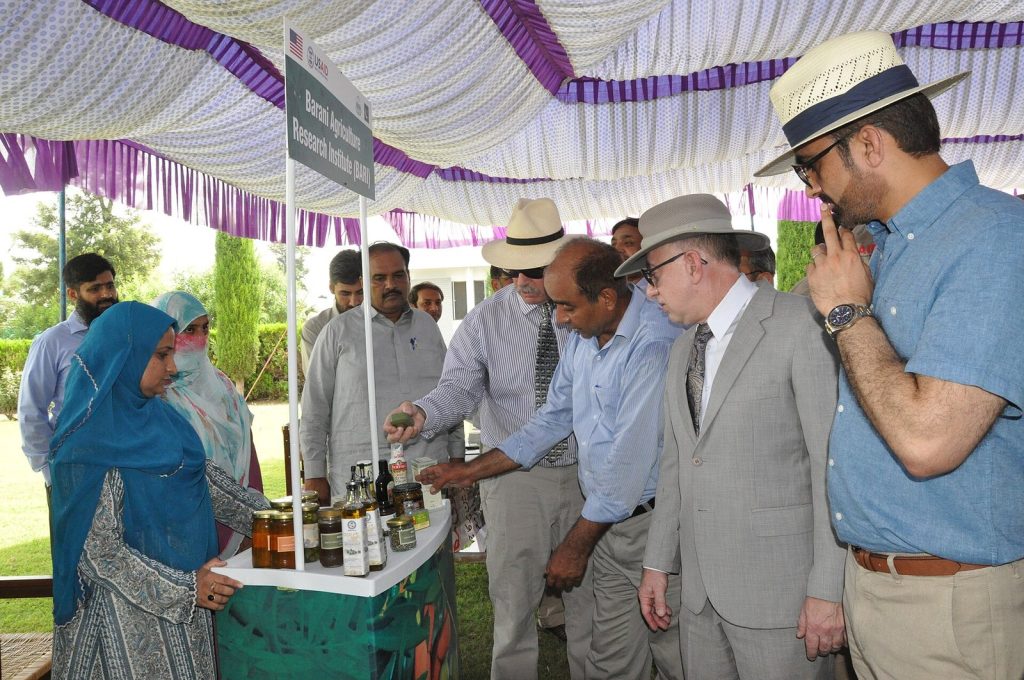
Pakistan’s Khyber Pakhtunkhwa province plans to plant four million olive saplings, with the provincial agriculture minister, Arbab Ayub Jan, saying the aim is to make the region self-sufficient in olive oil. The plan builds on an Italian-backed program to grow olives across Pakistan’s rain-fed north. Here is what was announced, why Pakistan keeps coming back to olives, and what stands between a sapling and a bottle of oil.
What was announced
Olive Oil Times, citing the Pakistani newspaper Dawn and the Gulf Today, reported this week that Ayub Jan told a gathering of farmers in the province that a major distribution plan was under way to get the saplings to the areas best suited to olives. The province is also investing in new cold stores and fruit grading and polishing plants, he said, and two new cold stores costing Rs 360 million have already been built with financial help from Italy. Olive Oil Times adds that the government has launched a Rs 500 million mechanized farming program. The reports did not give a timetable for the planting.
| Pakistan and olives | Figure |
|---|---|
| Saplings planned for Khyber Pakhtunkhwa | 4 million |
| Cold stores built with Italian help | Two, costing Rs 360 million |
| Edible oil import bill, last year | $2.6 billion (Dawn) |
| Rain-fed (barani) belt | Over 3.1 million hectares (Dawn) |
| Italian-backed olive project | Punjab, Khyber Pakhtunkhwa, FATA and Balochistan |
Why Pakistan wants olives
The motive is the import bill. Dawn reported in October that Pakistan’s spending on imported edible oil hit $2.6 billion last year and is growing every year. It also noted that the country’s barani, or rain-fed, belt covers more than 3.1 million hectares, which Dawn described as more than Spain’s entire olive area. Under a project called “Promotion of Olive Cultivation for Economic Development and Poverty Alleviation,” Italy is helping Punjab, Khyber Pakhtunkhwa, the tribal areas known as FATA and Balochistan to grow olive plants.
This is not a new ambition. Pakistani governments have announced olive plans again and again over the past decade, and this site has recorded many of them, from an early plea for large-scale planting ([Pakistan] Plea for large-scale olive cultivation) to Italian interest in investing (Pakistan: Italians keen to invest in olive oil production) and a fresh push last year (Pakistani Government to promote olive cultivation).
From sapling to oil
- An olive sapling takes several years to bear a real crop, so four million trees are a long-term bet, not next year’s oil.
- Oil needs mills within reach of the groves. Olives spoil fast once picked, and a province of small farms needs pressing capacity close by.
- Varieties matter. Much of northern Pakistan gets its rain from the summer monsoon, unlike the dry Mediterranean summer, so finding olives that flower and fruit well under those conditions is the first job of any trial.
- The trees need looking after in their first years. Distributing saplings is the easy part; keeping them alive and pruned is where planting drives usually fail.
Counting saplings is how olive programs are announced, and counting surviving, bearing trees is how they should be judged. A new region needs the whole chain at once: the right varieties for the local winters and rains, a mill, trained pickers and someone to buy the oil. Where any link is missing, the trees end up as hedges.