Chainsaw Thieves Fell Ancient Olive Trees
With prices near €9 a kilo, thieves took chainsaws to laden groves across the Mediterranean — stripping branches and felling century-old trees for one season’s fruit. This is the cruellest face of the great olive-oil spike.
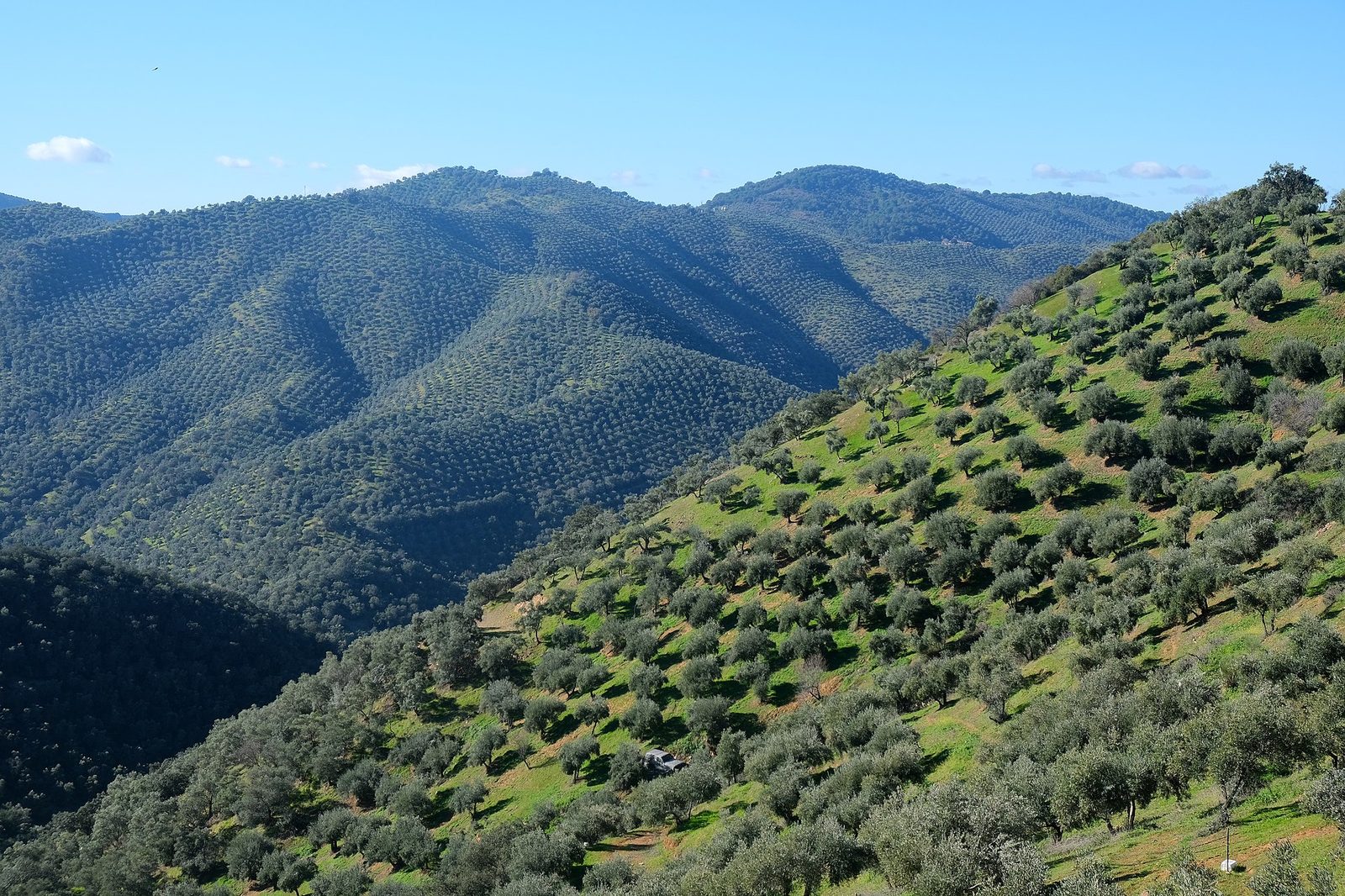
As olive-oil prices hit records — extra virgin around €9 a kilo, roughly triple 2019 — a wave of theft swept the Mediterranean. Thieves used chainsaws to strip and fell whole trees: one Italian incident damaged or destroyed around 100 trees, more were cut near Athens, and Spanish police recovered tens of tonnes of stolen olives. The root cause was the severe two-year drought in Spain that had sent prices soaring. A theft is always a loss; this kind of theft is something worse, and it is worth being clear about why.
Why the spike put the trees in danger
Crime is opportunistic, and it follows value. When a staple triples in price, the fruit hanging on a grove suddenly represents real money, and remote rural trees make an easy, unguarded target. At the same time, milling capacity gets stretched and paperwork gets sloppy in a boom, which makes stolen fruit easier to launder into the supply. The spike did not just make oil dear; it turned quiet country groves into cash crops worth raiding, and the criminals noticed faster than the authorities could respond.
Stripping versus felling
There is a grim distinction here. Stripping a tree of its fruit is bad but survivable — the tree lives to bear again. Cutting whole branches, or felling the tree outright to reach the crop quickly, destroys decades or centuries of growth for a single harvest. An olive can live for hundreds of years and keeps producing across all of them; a chainsaw undoes that in minutes. Losing the oil is a business loss. Losing the tree is the loss of a living thing that outlived generations of the families who tended it.
A loss you cannot buy back
This is why the felling of ancient trees hits harder than any mill theft. You can insure oil and press more next year; you cannot fast-forward a century-old tree back into existence. When a food becomes ‘liquid gold’, even the trees themselves stop being safe — it is the dark logic of scarcity at its bleakest, and a reminder that a fair, stable price protects far more than anyone’s grocery bill.
| When | What happened |
|---|---|
| 2021–22 | Drought in Spain slashes the crop; prices start climbing |
| 2023 | EVOO nears €9/kg, about triple 2019 |
| Autumn 2023 | Theft wave spreads across the Mediterranean |
| Italy | A single raid damages or destroys ~100 trees |
| Near Athens | More trees cut for their fruit |
| Spain | Police recover tens of tonnes of stolen olives |
What it means for a buyer
- Understand that a price spike has victims well beyond your receipt — including the trees themselves.
- Support producers with real traceability; laundered stolen fruit thrives on vague supply chains.
- Value old-grove and named-estate oils — they represent trees worth protecting, not raiding.
- Root for a fair, steady price: booms invite theft, busts invite abandonment.
- Remember that scarcity and fraud are two halves of the same story.
Chainsaw olive theft: common questions
Why were thieves cutting down olive trees?
At the peak of the price spike, extra virgin neared €9 a kilo — about triple 2019 — so the fruit was worth stealing. Some thieves felled or stripped whole trees to reach the crop quickly.
Why is felling a tree worse than stealing the oil?
Stolen oil can be replaced next season, but an olive tree can be centuries old and bears for all of that time. Cutting it down destroys decades of growth for a single harvest.
What caused the spike behind the thefts?
A severe two-year drought in Spain roughly halved its harvest. Because Spain makes about half the world’s oil, that sent global prices to records and made groves a target.
How does stolen fruit get into the supply?
In a boom, milling and paperwork get stretched, making it easier to pass stolen olives off as legitimate. Vague, untraceable supply chains are what let it happen.
How can buyers help?
Favour oils with real, documented origin from named estates or co-ops. Traceability makes stolen and laundered fruit harder to move, and rewards growers who protect their trees.
This is the part of a price spike nobody puts on a poster. A mill theft is a loss of oil — painful, but the grove lives on. Felling a century-old tree for one season’s fruit is the loss of a living thing that outlived generations, gone in minutes for a few litres. When a staple becomes ‘liquid gold’, even the trees stop being safe. It is the reason I keep banging on about a fair, steady price rather than a high one: the spike that fills a thief’s van is the same spike that empties an honest grower’s future.
Drawn from 2023 reporting on chainsaw olive thefts across the Mediterranean during the record price spike.