In Focus: The Coquillo Olive
The Coquillo is one of those small olives that punches far above its size on a cheese board. Grown in southeastern Spain, it is briny, faintly bitter and almost spherical, with a pit that takes up most of the fruit — and it is the great understudy of the olive world, the stand-in for a scarce and pricey French Niçoise.
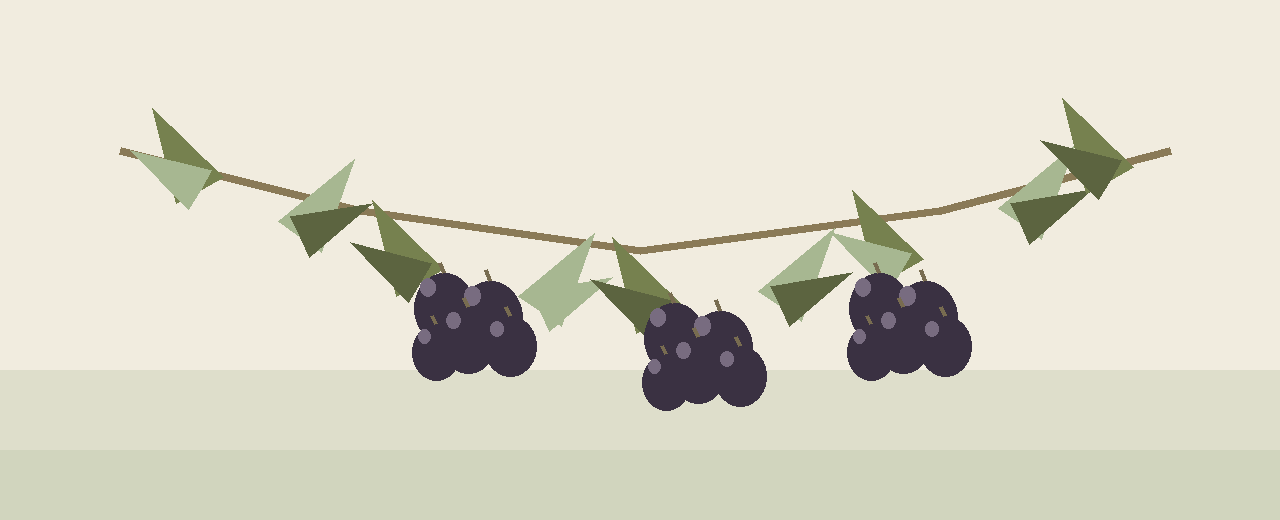
Coquillo (also spelled Cuquillo) grows mainly in the Murcia region of southeastern Spain, along the warm Mediterranean coast. The fruit is little, round and brown-to-black when ripe, with thin, soft flesh wrapped around a notably large stone. You do not eat a Coquillo for its meat — there isn’t much — you eat it for its punchy, salty, slightly smoky character and the way it disappears between your teeth. Harvest comes late, from November into December, once the fruit has fully coloured on the tree. It is a table olive through and through, not an oil cultivar.
A small olive with a big pit
Let us be honest about what you are buying. A Coquillo is mostly stone. The flesh is thin and soft, so this is not an olive you set out for people to make a meal of — it is a flavour hit, small and intense, the kind you scatter rather than pile. Its appeal is entirely in that concentrated little burst of salt and smoke, and in the texture: it melts away almost before you have finished it. Cured the traditional way, in a simple water-and-sea-salt fermentation over roughly three months, it becomes something far more interesting than its size suggests.
The Niçoise stand-in
Here is the open secret of the deli counter. The Coquillo is the olive most often sold as — or in place of — a French Niçoise. The two are close cousins, similar in size, colour and brine, and genuine Niçoise (the Cailletier variety of the Nice hinterland) is scarce and expensive. So Spanish Coquillo, cured in the same style, quietly fills the gap. There is nothing dishonest in a well-cured Coquillo being sold on its own merits. But if a label says ‘Niçoise-style’ rather than plain Niçoise, this little Spaniard is very often what’s in the jar.
Mind the pits
The practical warning follows from the anatomy. Coquillos are small with stones to match, so they are rarely pitted and easy to bite down on hard. Warn anyone at the table, and never assume a jar is stoned. Buy them loose from a good counter rather than vacuum-packed if you can — the living brine keeps them lively, and you can see the size and colour before you commit. A tired, over-packed Coquillo goes slack and dull; a fresh one is bright, firm and faintly smoky.
| Origin | Murcia, southeastern Spain |
|---|---|
| Also called | Cuquillo |
| Type | Table olive |
| Curing | Water & sea-salt fermentation, ~3 months |
| Harvest | November–December (late) |
| Flavour | Briny, faintly bitter, slightly smoky |
| Best use | Whole in salade niçoise, over roast fish, with bread |
Buying & using Coquillo
- Mind the pits — they are small, rarely stoned, and easy to bite hard on.
- Buy them loose from a good counter, not vacuum-packed, so the brine keeps them alive.
- They shine whole in a salade niçoise, scattered over roast fish, or with bread and a dry glass.
- If a label says ‘Niçoise-style’, expect Coquillo — and enjoy it on its own terms.
Coquillo olives: common questions
Is Coquillo a table or oil olive?
A table olive, through and through. It is too small and thin-fleshed to be worth pressing — its whole point is that concentrated briny hit whole.
Where does Coquillo come from?
The Murcia region of southeastern Spain, along the warm Mediterranean coast, where it is also called Cuquillo. It spreads into neighbouring inland Andalusia.
Is Coquillo the same as a Niçoise olive?
No, but it is a close cousin and the usual stand-in. Genuine Niçoise is the French Cailletier; Coquillo is Spanish, cured the same way, and often sold as ‘Niçoise-style’.
Why is a Coquillo mostly pit?
The variety naturally has thin, soft flesh around a large stone. You eat it for the punchy, smoky flavour and melting texture, not for a mouthful of meat.
How should I serve Coquillo?
Whole and unpitted, in a salade niçoise, scattered over roast fish, or simply with bread — and always warn guests about the stones.
Mind the pits. Coquillos are small with stones to match, so warn anyone at the table and never assume they’re pitted. They shine whole in a salade niçoise, scattered over roast fish, or simply with bread and a glass of something dry. Buy them loose from a good counter rather than vacuum-packed if you can — the living brine keeps them lively. And when a jar reads ‘Niçoise-style,’ this little Spaniard is very likely what you’re getting: no bad thing, just worth knowing.
Drawn from grower descriptions and specialty-food trade references.