In Focus: The Manzanilla Olive
If you have ever eaten a green Spanish olive from a jar, you have almost certainly met the Manzanilla. Seville’s great table variety is the most widely traded green olive on earth — firm, nutty and endlessly stuffed, brined and snacked on across the world.
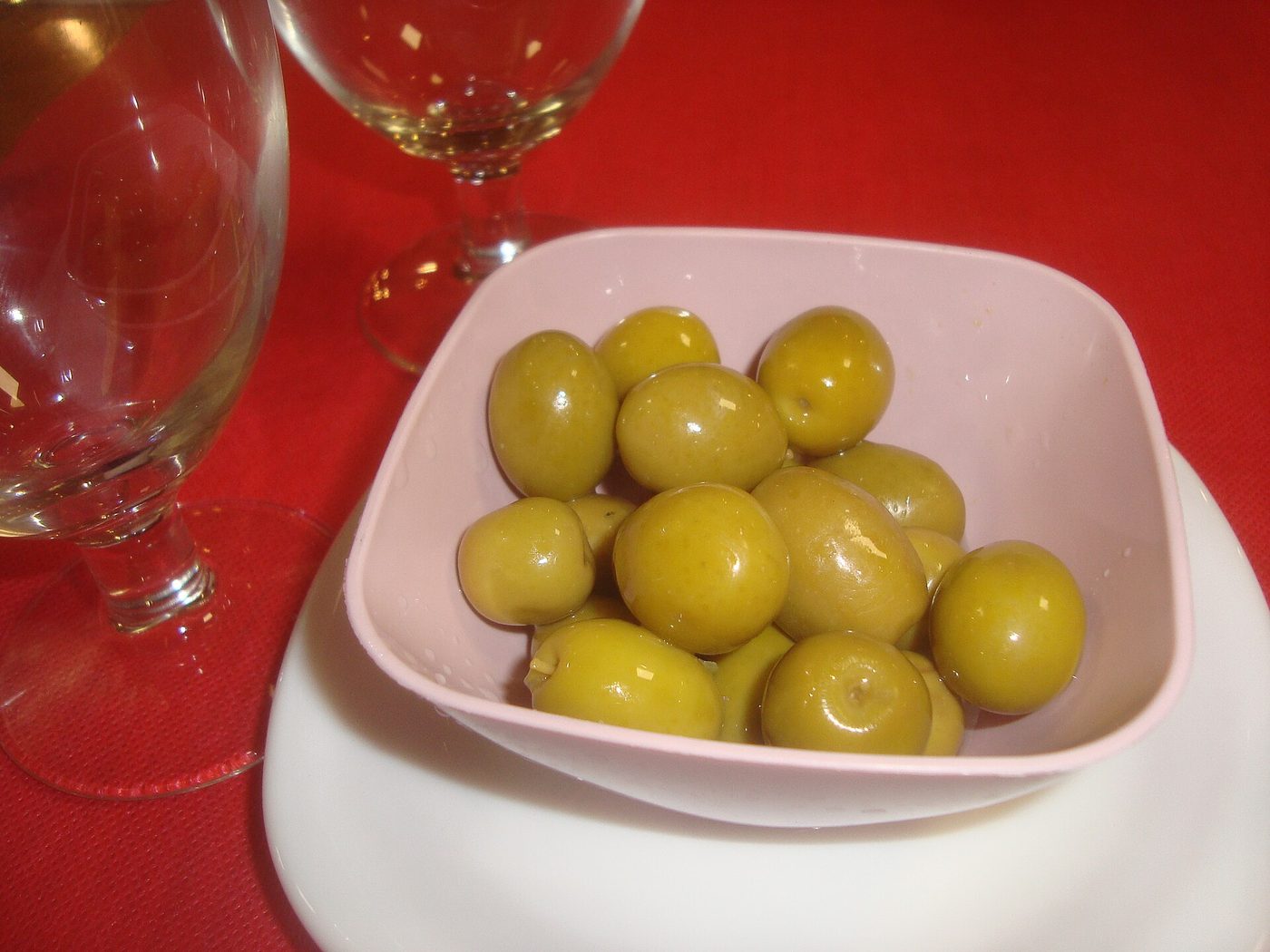
The Manzanilla — the name means ‘little apple’ — comes from Andalusia, especially around Seville, and is grown above all for the table. Picked green and brine-cured in the classic Spanish (Sevillano) style, it has firm but tender flesh, a small stone and a clean, slightly nutty, gently bitter flavour that takes fillings beautifully. This is the olive you find stuffed with pimiento, anchovy, garlic or almond, and the one that anchors a Spanish aperitif. Spain grows and exports it on a colossal scale, which has made Manzanilla a household name far beyond its homeland.
Origin & character
Manzanilla is the safe crowd-pleaser of the olive bowl — firm, mild and familiar, the one even hesitant eaters reach for. Its clean, nutty flesh and small stone make it the ideal canvas for stuffing, and its scale of production means it is everywhere and rarely expensive. That ubiquity is exactly why it defines what most of the world thinks a green olive tastes like. For the rest of the Andalusian family, see Spanish olives.
At the table
Manzanilla is built for snacking and cooking alike. Serve the brined olives straight from the jar with a cold beer or a fino sherry, toss them into salads and rice, or add them to slow Spanish stews for a salty lift. The pimiento-stuffed version is a classic for good reason — the sweet pepper balances the olive’s gentle bitterness. Quality varies wildly, so look for olives that are firm rather than mushy and brine that smells clean and fresh.
What the jar does not say
Here is the honest part. The convenience that makes Manzanilla so popular is also where corners get cut: pre-pitted, pre-sliced olives lose firmness fast, cheap fillings are pastes rather than real pimiento, and cloudy, off-smelling brine is a sign of a tired jar. None of it is dangerous, but it is a downgrade you are paying for. Buy whole, firm olives, drain off murky brine, and a splash of good oil with lemon zest lifts a plain jar into something worth serving.
| Origin | Seville, Andalusia, Spain |
|---|---|
| Also called | Sevillano (in some markets) |
| Type | Table olive |
| Cure | Green, Spanish-style brine |
| Harvest | September–October (green) |
| Flavour | Firm, nutty, gently bitter; takes fillings well |
| Best use | Aperitif, stuffing, salads, Spanish stews |
Buying & using Manzanilla
- Buy them whole and firm rather than pre-sliced and soft.
- Drain off cloudy brine; a splash of good oil and lemon zest lifts a plain jar.
- The pimiento-stuffed classic works because sweet pepper balances the gentle bitterness.
- Use them in slow stews and rice for a salty, savoury lift.
Manzanilla olives: common questions
Is Manzanilla an oil or a table olive?
A table olive — the world’s most widely traded green one. It is grown for curing and eating, not for pressing into oil.
Where does Manzanilla come from?
Andalusia in southern Spain, especially around Seville, which grows and exports it on a vast scale.
What does Manzanilla taste like?
Firm and tender with a clean, slightly nutty, gently bitter flavour — mild and familiar, which is why it is the everyday green olive.
Why is Manzanilla so often stuffed?
Its firm flesh and small stone make it the ideal size and shape for stuffing with pimiento, anchovy, garlic or almond.
How do I choose a good jar?
Look for whole, firm olives rather than pre-sliced and soft ones, and brine that smells clean and fresh rather than cloudy.
Manzanilla is the safe crowd-pleaser of the olive bowl — firm, mild and familiar, the one even hesitant eaters reach for. Buy them whole and firm rather than pre-sliced and soft, drain off cloudy brine, and a splash of good oil plus some lemon zest lifts a plain jar into something worth serving. The convenience versions cut corners — paste fillings, soft flesh, tired brine — so spend a little more on whole olives and you taste why Spain built an empire on this one.
Drawn from Andalusian table-olive tradition and Sevillano variety records.