In Focus: The Gordal Olive
Some olives whisper. The Gordal shouts. This enormous green Andalusian olive — its name means ‘the fat one’ — is grown around Seville purely for the table, and its sheer size and meaty crunch make it the natural star of any olive bowl.
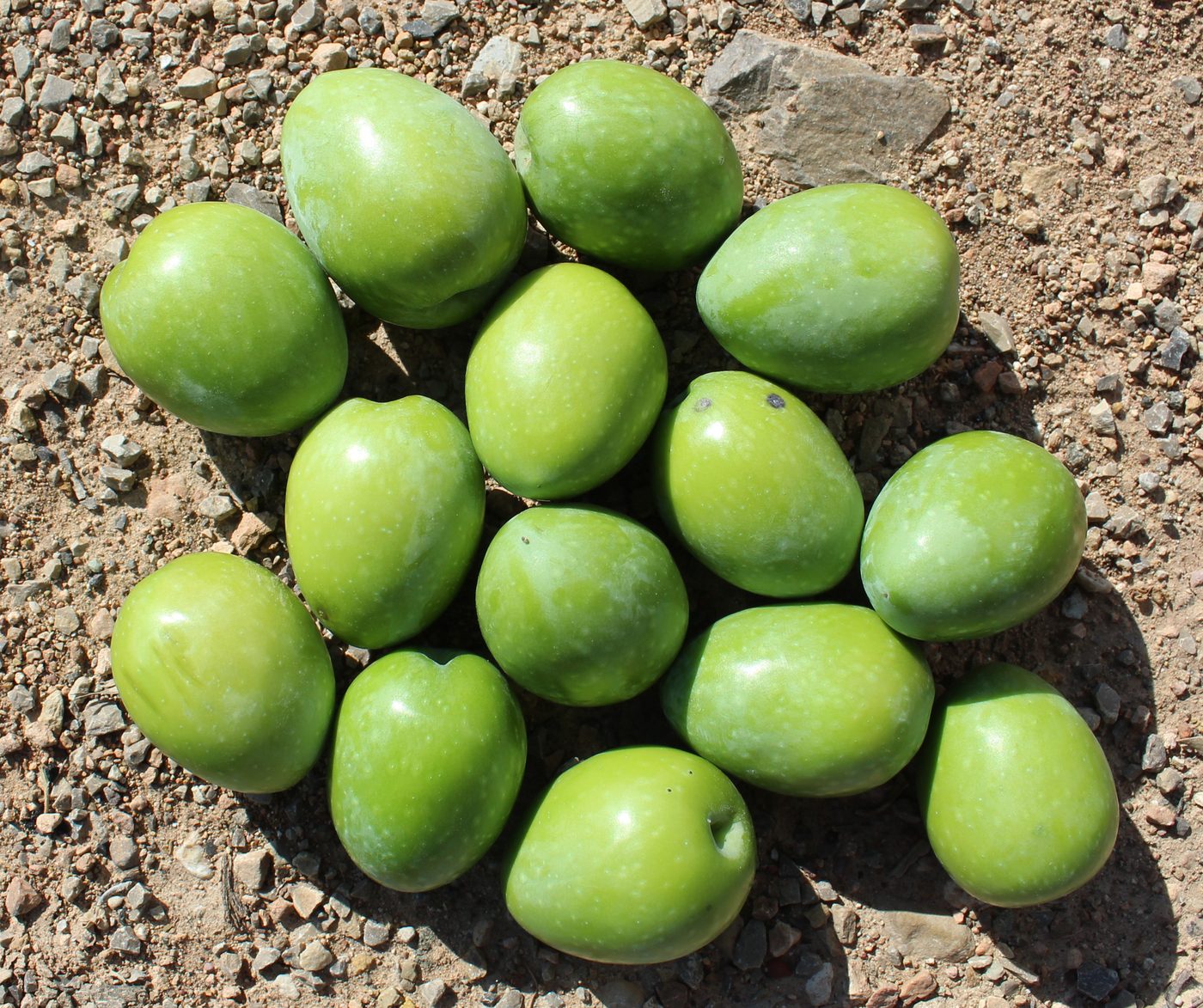
Gordal, sometimes sold abroad as the ‘Queen’ olive, is one of the largest table olives in the world. It is grown in Andalusia, above all around Seville, and it is prized entirely for eating. The fruit is so big and fleshy — with a relatively small stone for its size — that a single olive is a real mouthful. Picked green and brine-cured, it keeps a firm, crunchy texture and a mild, fresh, slightly fruity flavour, far less bitter than many olives. It is not an oil olive at all; its whole purpose is to look generous and eat well on a plate.
Origin & character
This is a Sevillian institution. Andalusia is the engine room of the world’s table-olive trade, and the Gordal is its showpiece — the olive that makes a tapas plate look generous before anyone has tasted a thing. Its size is the whole point, and its mildness is deliberate: this is a fruit meant to be eaten by the handful with a drink, not to challenge the palate. For other Andalusian table olives, see Spanish olives.
At the table
The Gordal is made for the aperitif spread. Serve them whole and cold with a fino sherry or a vermouth, where their size and bright green colour do half the work. They take beautifully to a quick marinade — good oil, garlic, lemon, a little thyme or fennel — and their ample flesh stands up to bold stuffings. Because eating quality is all about firm crunch, buy them whole and check they are not soft or mushy. For sheer table presence, few olives match a good Gordal.
What the size hides
Here is the blunt part. Size sells, and that is exactly the risk. A giant olive impresses on sight, so a mediocre Gordal can trade on its dimensions while the flesh underneath has gone soft, salty or bruised. Big is not the same as good. Judge a Gordal by texture, not by how it fills your palm — a great one is firm and crunchy to the bite, and a poor one is a large disappointment.
| Origin | Seville, Andalusia, Spain |
|---|---|
| Also called | Queen olive, Sevillano |
| Type | Table olive |
| Cure | Green, Spanish-style brine |
| Harvest | September–October (green) |
| Flavour | Mild, fresh, crunchy; large, meaty flesh |
| Best use | Whole, as an aperitif; marinated or stuffed |
Buying & using Gordal
- Judge by texture, not size — reject any that feel soft or wrinkled.
- A short marinade in good oil with garlic and lemon turns a plain jar into a centrepiece.
- Serve them cold and whole; their generous flesh is the point, so do not hide it sliced.
- Their ample flesh takes bold stuffings — anchovy, pepper, blue cheese.
Gordal olives: common questions
Is Gordal an oil or a table olive?
Purely a table olive. It is grown for eating whole, prized for its size and crunch, and is never pressed for oil.
Where does Gordal come from?
Andalusia in southern Spain, especially around Seville — the heart of the world’s table-olive trade.
Why is Gordal called the ‘Queen’ olive?
‘Queen’ is the export name for its size — Gordal means ‘the fat one’ in Spanish, and it is one of the largest table olives grown.
What does a Gordal taste like?
Mild, fresh and slightly fruity, with a firm, crunchy texture and large, meaty flesh — far less bitter than many green olives.
How should I serve Gordal olives?
Whole and cold as an aperitif, ideally with a short marinade of oil, garlic and lemon, or stuffed — never sliced, since the generous flesh is the whole appeal.
The Gordal earns its place by size and crunch, so texture is everything — reject any that feel soft or wrinkled. A big olive impresses on sight, which is exactly why a poor one can hide behind its dimensions, so judge the bite, not the heft. A short marinade in good oil with garlic and lemon turns a plain jar into a centrepiece. Serve them cold and whole; their generous flesh is the whole point, so do not bury it sliced.
Drawn from Andalusian table-olive tradition and Sevillano variety records.