A Grower’s Map of South Africa
South Africa’s olives grow almost entirely in one corner of the country — the wine lands of the Western Cape. Here’s the map, the varieties, and the one freshness trick that makes Cape oil worth seeking at exactly the right time of year.
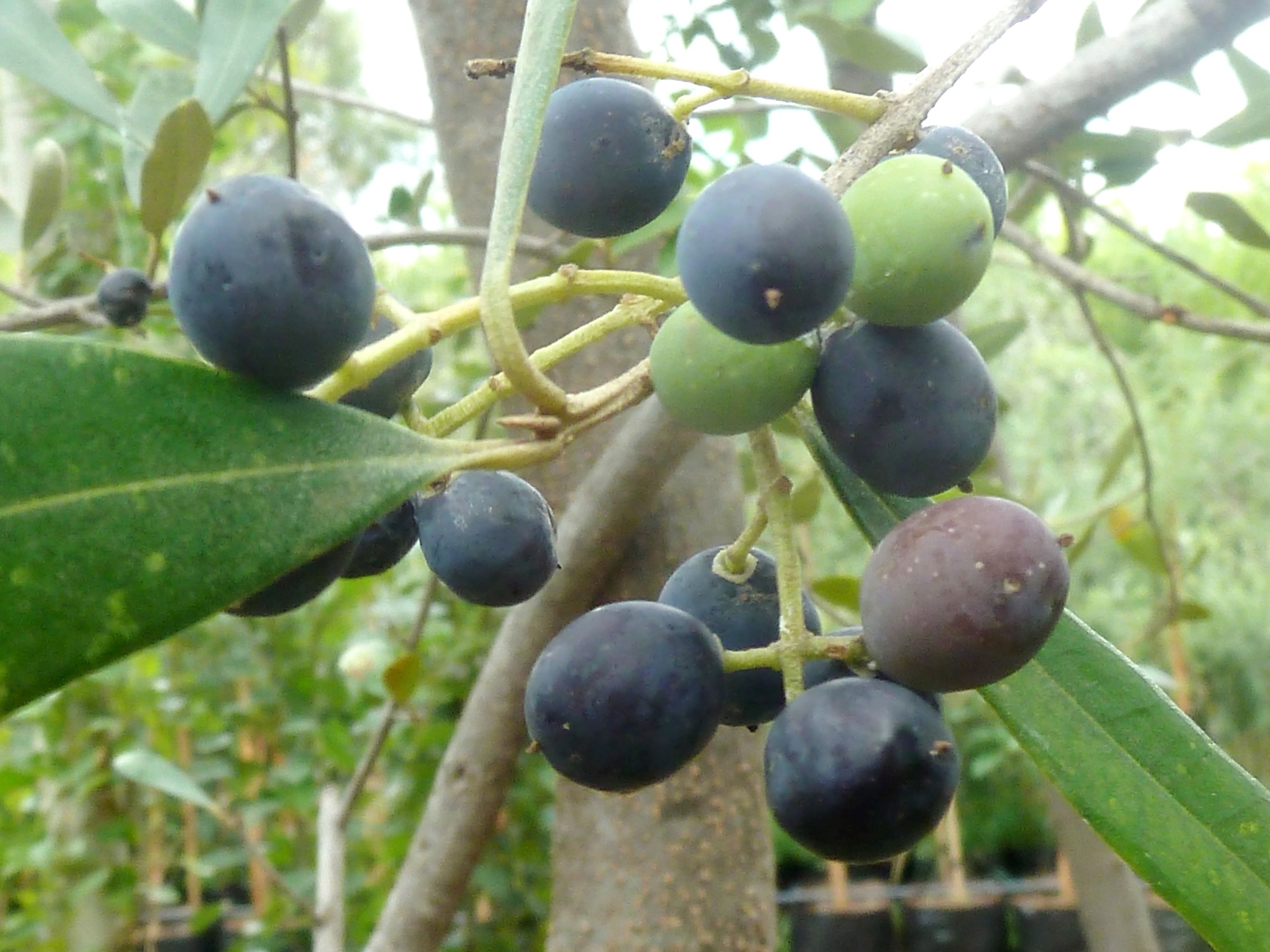
South Africa’s olive industry is small, young, and quietly punches above its weight at international shows. Nearly all of it grows in one place — the Western Cape — sharing soil, climate and often the same farms as the country’s famous vineyards. Here is the real map of where South African olives and oil come from, and how to buy the genuine, fresh article.
Wine country is olive country
The heart of South African olive growing is the Western Cape, in and around the valleys that make the country’s wine — Paarl, Franschhoek, Robertson, the Swartland and the Klein Karoo. The Mediterranean-style climate of wet winters and hot, dry summers suits the olive perfectly, and many estates run vines and olives side by side, pressing both. It’s a compact industry by world standards, but a deliberately quality-focused one: rather than chase Spanish volumes it can never reach, South Africa competes on freshness and craft — which is how a small producer makes a name at the shows.
What grows there
South African growers planted the proven international cast rather than any native variety — chosen for both oil and the table, and then dialled in to Cape conditions. Italian oil olives form the backbone, alongside dual-purpose Mission and Spanish and Greek table types.
| Variety | Roots | What it does here |
|---|---|---|
| Frantoio | Italy (Tuscany) | The backbone oil variety — balanced, dependable |
| Leccino | Italy | Hardy, milder oil; often blended with Frantoio |
| Coratina | Italy (Puglia) | Robust, peppery, high-polyphenol oil |
| Mission | Spain → California | Dual table & oil |
| Manzanilla | Spain | Green table olives |
| Kalamata | Greece | Black table olives |
The southern-hemisphere advantage
Here’s the angle the back label never spells out. South Africa harvests in March to June — half a year out of step with Italy, Spain and Greece. So a fresh Cape oil lands on northern-hemisphere shelves around mid-year, exactly when the previous northern harvest is already eight to ten months old and fading. If you’re shopping in a European or North-American summer, a recent South African crush can quietly be the freshest, liveliest oil in the shop. Most buyers never think to flip the hemisphere; you now will.
| Where | Western Cape — Paarl, Franschhoek, Robertson, the Swartland, the Klein Karoo; a little in the Eastern Cape |
|---|---|
| Climate | Mediterranean: wet winters, hot dry summers — the same that makes the wine |
| Harvest | Southern autumn, roughly March–June |
| Scale | Small by world standards — thousands of tonnes, not millions; quality-led |
| Style | Fresh, green, often robust New-World extra virgin; many single-estate oils |
| Look for | The CTC seal (SA Olive’s ‘Commitment to Compliance’) — an independent guarantee of 100% South African extra virgin |
| Awards | Regularly over-represented at the big international shows for a producer its size |
How to buy it well
- Look for the CTC seal. SA Olive’s ‘Commitment to Compliance’ mark independently guarantees 100% South African extra virgin — origin and grade both.
- Check the harvest date. The freshness window is the whole point; a Mar–Jun crush bought mid-year is ideal.
- Buy single-estate where you can. Much of the best Cape oil is estate-pressed, with the variety and farm named.
- Treat it like boutique wine. Small batches, real character — and worth a little more than a supermarket blend.
South African olives: common questions
Where in South Africa do olives grow?
Almost entirely in the Western Cape — in and around the wine valleys of Paarl, Franschhoek, Robertson, the Swartland and the Klein Karoo, with a smaller presence in the Eastern Cape. The Western Cape’s Mediterranean climate of wet winters and hot, dry summers is what makes it olive country, and many estates grow vines and olives side by side.
When is South African olive oil harvested, and why does that matter?
In the southern autumn, roughly March to June — six months out of phase with the Mediterranean. That is the quiet advantage: fresh South African oil reaches northern-hemisphere shelves around the middle of the year, when the previous northern harvest is already eight or ten months old. If you are buying in a northern summer, a recent Cape crush can be the freshest oil in the shop.
What is the CTC seal?
It is the Commitment to Compliance mark run by SA Olive, the country’s olive-industry body. A bottle carrying it has been independently checked to be 100% South African extra virgin olive oil — genuine origin and genuine grade. In a market full of vague labelling, it is the single most useful thing to look for on a South African bottle.
Is South African olive oil actually good?
For a young, small industry, remarkably so. South Africa competes on quality rather than volume, and its oils are consistently over-represented at major international competitions relative to how little it makes. Treat it the way you would a boutique wine region: small batches, real care, and a recent harvest date that still matters more than any medal.
Which olive varieties does South Africa grow?
The familiar international cast rather than native varieties: Italian oil olives like Frantoio, Leccino and Coratina form the backbone, alongside Mission, and table olives such as Manzanilla and Kalamata. Growers chose these proven Mediterranean varieties and then learned to make them sing in Cape conditions.
South Africa is a small-batch, quality-first origin, so shop it like a boutique wine. Two things do most of the work: the CTC seal (your guarantee it’s genuinely South African extra virgin) and a recent harvest date. And remember the hemisphere trick — in a northern summer, a fresh Cape oil can beat anything left on the shelf from last year’s European crush. Buy a recent one, store it cool and dark, and you’ll see why these oils travel so well.
Drawn from SA Olive industry guidance and International Olive Council figures.