In Focus: The Arbequina Olive
If you have ever fallen for a soft, buttery olive oil, the odds are it was Arbequina. This small Catalan olive presses into a gentle, fruity, low-bitterness oil that suits modern tastes — and it has spread from a few Spanish hills to groves on every continent.
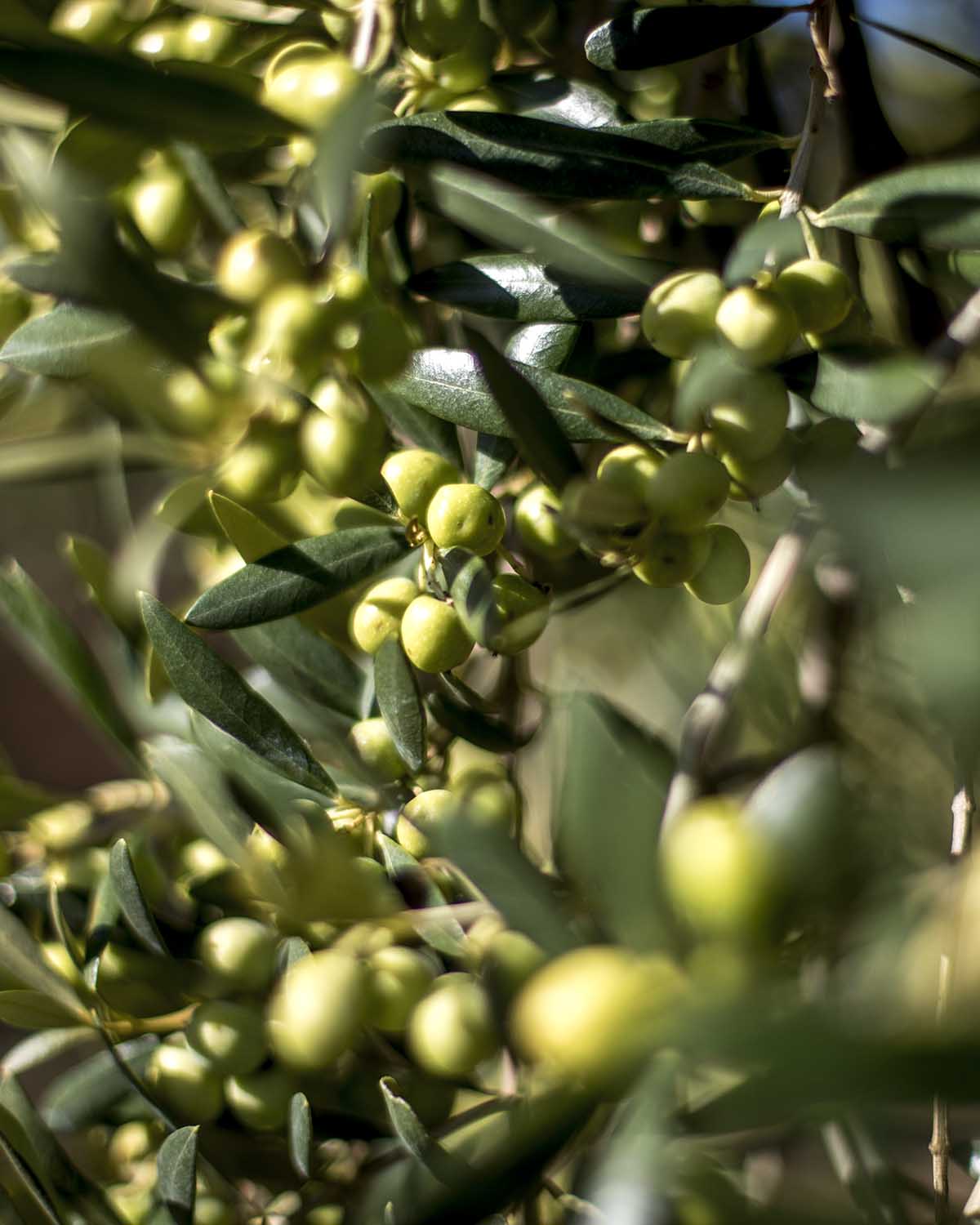
Arbequina comes from Catalonia in north-east Spain and takes its name from the town of Arbeca, in the province of Lleida. The fruit is small and turns dark as it ripens, and it is grown almost entirely for oil. That oil is the reason for its extraordinary rise: soft, fruity and low in bitterness, with notes of green apple, ripe fruit and almond. Because the tree is compact, early-bearing and heavy-cropping, it slipped perfectly into the modern super-high-density hedgerow plantings that reshaped the industry — which is why Arbequina now grows far beyond Spain.
Origin & character
Arbequina is the gentle introduction to real extra virgin: fruity and smooth, with mild pepper and very little of the throat-catching bitterness that scares newcomers off greener oils. That approachability is its gift. It flatters people new to good oil, suits baking and delicate dishes, and wins over anyone who finds a young Tuscan too aggressive. In Catalonia it also carries the DOP Les Garrigues and DOP Siurana designations, where a named single-variety bottle shows the olive at its most honest.
The trade-off nobody mentions
Here is the catch behind the friendliness. Arbequina is generally lower in polyphenols than a robust Picual or Coratina, so it is milder and a touch less stable — it does not keep as long, and it has less bitterness to mask its own age. A tired Arbequina does not turn harsh; it turns flat and greasy, which is harder to spot. Buy a recent harvest in a dark bottle and use it up within a few months rather than cellaring it.
The variety that conquered the world
No olive has travelled quite like this one. Its compact habit made it the darling of intensive, mechanically harvested hedgerows, and growers from California and Chile to Argentina, Australia and beyond planted it hard. That is a mixed blessing for the buyer: a bottle labelled simply ‘Arbequina’ could be Catalan or could be from a New World mega-grove, and the two taste different. If provenance matters to you, read past the variety name to the origin.
| Origin | Catalonia, Spain |
|---|---|
| Type | Oil olive |
| Protected origins | DOP Les Garrigues, DOP Siurana |
| Harvest | October–November |
| Flavour | Soft, fruity, low bitterness; apple & almond |
| Best use | Raw finishing, baking, delicate dishes |
Buying & using Arbequina
- Perfect for anyone who finds peppery oils harsh — the gateway to good extra virgin.
- Its mildness makes freshness matter more: check the harvest date and buy a dark bottle.
- Use it raw on delicate food — fish, salads, vegetables — where its soft fruit shines.
- For provenance, seek a Catalan DOP (Les Garrigues or Siurana) rather than an unnamed origin.
Arbequina olives: common questions
Is Arbequina an oil or a table olive?
An oil olive. It is small and grown almost entirely for pressing into a soft, fruity extra virgin rather than for curing and eating.
Where does Arbequina come from?
Catalonia in north-east Spain, named for the town of Arbeca near Lleida. It is now also planted widely across the Americas, Australia and beyond.
What does Arbequina oil taste like?
Soft, buttery and fruity with low bitterness and gentle pepper — notes of green apple, ripe fruit and almond. It is the friendliest of the common oils.
Why is Arbequina so widely planted?
The tree is compact, early-bearing and heavy-cropping, which suits modern high-density hedgerow groves that are harvested by machine — so it spread across the world.
How should I store and use it?
Buy a recent harvest in a dark bottle and use it within a few months. Its mildness means less bitterness to hide age, so freshness matters more than with robust oils.
Arbequina is the gateway oil — reach for it if someone finds peppery bottles harsh. But that same softness is a warning: with so little bitterness, there is nothing to mask a tired oil, and a faded Arbequina just tastes flat rather than obviously off. Buy a recent harvest in a dark bottle and finish it quickly. And remember it is now grown everywhere, so if you want the Catalan original, look past the variety name to the origin on the label.
Drawn from Catalan milling tradition and the Les Garrigues and Siurana designations of origin.