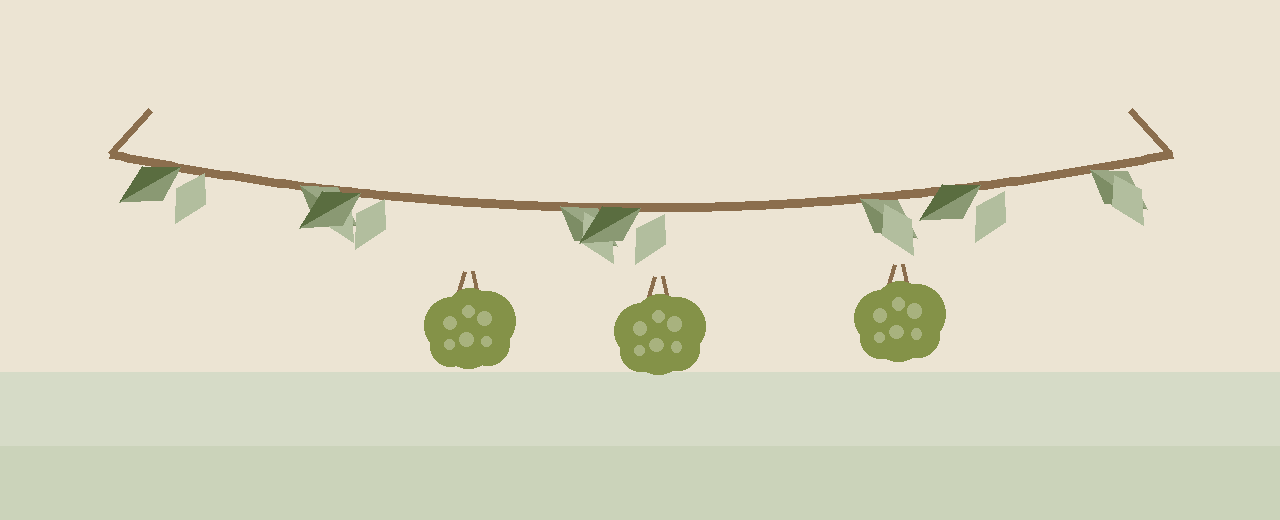
Toffahi Olives
La grande olive verte en forme de pomme d’Égypte — croquante et douce, un pilier de la table égyptienne.
The Toffahi — from the Arabic for “apple,” for its large, rounded, apple-like shape — is Egypt’s best-known table olive. Grown in the Fayoum and the oases, it is a big, crisp, mild green olive, usually cracked or whole-cured and eaten in quantity. Egypt is one of the world’s largest table-olive producers, and the Toffahi is its friendly face — from a land that has grown olives since the time of the pharaohs.
- Origin
- Fayoum / oases · Egypt
- Type
- Table olive
- Colour
- Green
- Size
- Large, apple-shaped
- Texture
- Crisp, fleshy
- Flavour
- Mild, fresh
- Best for
- Cracked & whole table olives
An olive from the land of the pharaohs
Olives and their oil appear in ancient Egyptian tombs and rituals — this is one of the oldest olive cultures anywhere — and the tradition is alive today in a big table-olive industry. The Toffahi is its mainstay: a large, crisp, mild green olive, cracked and brine-cured, eaten generously with bread, cheese and the Egyptian table. Egypt now ranks among the very largest producers of table olives on earth.
Egyptian table olives are produced on a huge scale and mostly eaten fresh and young — crisp and mild rather than complex. It is a useful reminder that the olive is not only a European story: North Africa and the Levant grow and eat enormous quantities, often of varieties the export market never names.