Brussels Lifts the Monthly Cap on Tunisian Olive Oil
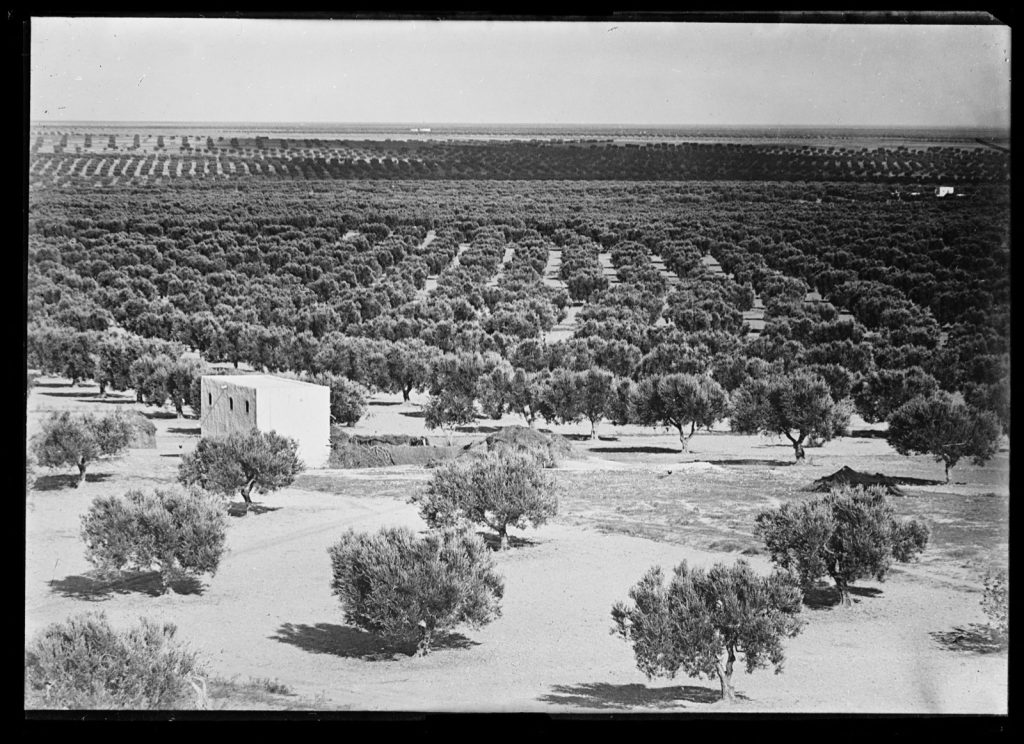
From May 1 the European Commission is letting import licences for Tunisian olive oil be issued with no monthly ceiling, a quiet emergency valve opened because Europe simply does not have enough oil this year. Here is what the rule changes, why Brussels reached for it now, and what it says about a market that is short of fruit and long on nerves.
What was decided
The Commission adopted Regulation (EC) No 661/2006 on April 28 and it applies from May 1. It suspends, until October 31, the monthly limit that normally rations the duty free Tunisian quota. The reason given in the text is blunt for a legal act: the 2005/06 marketing year in the Community is marked by a low level of olive oil production, which is causing supply problems.
The quota itself is not new. Under the association agreement with Tunisia, 56,700 tons of virgin olive oil wholly obtained in Tunisia and shipped direct to the Community can enter at a zero rate of duty each year. What the older rules did was spread it out: licences could be issued for no more than 1,000 tons in each of January and February, 4,000 tons in March, 8,000 tons in April and 10,000 tons in each month from May to October. Importers apply on Mondays and Tuesdays, and licences follow on the third working day if Brussels has not stepped in.
Dropping the monthly ceiling does not add a single ton to the annual figure. It only lets the trade draw its allowance when it wants it instead of when the calendar allows it. In a normal year that is housekeeping. In this one it is a signal.
Why the Community is short
The shortage starts in Spain, as it usually does. The 2005 Spanish crop came in about 35 percent below the previous year, some 350,000 tons of oil that never happened, after too little rain and cold spells that hurt the trees. Prices followed: by the start of 2006 Spanish olive oil was running more than a third above its level a year earlier, and it was the single biggest riser among packaged foods in the Spanish shopping basket.
Growers see the same picture from the other end. The Spanish farm organization COAG argued this week that the sector needs a strategic stock of oil, because the existing private storage mechanism only triggers when prices at origin are already very low and is useless against a short crop. It also pointed at the packers, who it says had built reserves of more than 120,000 tons against an average of around 100,000 tons in recent years as soon as the small harvest became obvious in August 2005.
That is the whole quarrel in one paragraph. When Europe is short, the fruit is not where the pressure lands. The pressure lands on whoever has to keep bottles on a shelf at a price shoppers will pay, and Tunisia is the nearest large pool of oil outside the Community. Tunisia has been making olive oil for a very long time, and for decades a good part of it has left the country in bulk rather than in bottles.
What it means for buyers
Almost nothing visible, and that is the point. Tunisian oil released into the Community during a tight summer will mostly disappear into blends, into industrial supply, into bottles carrying an origin statement that names a mixture rather than a country. Shoppers will not see a change on the label. They will, at best, see prices stop climbing a little sooner than they would have.
- The annual duty free volume is unchanged at 56,700 tons.
- Only the timing changes: no monthly ceiling from May 1 to October 31.
- Applications are still weekly, and Brussels can still cut allocations if the year runs out.
The other thing worth watching is next season. Growers in Spain are already talking about a better flowering, and if that holds, the market’s whole mood turns. Olive oil prices are decided by a very small number of harvests, which is why one big Spanish crop can drag the world price down as quickly as one bad one pushed it up.
When a supply gap opens, the first thing that changes is not the price on the shelf but the recipe in the tank. Blends get rebuilt around whatever oil is cheap and available, and the label stays exactly the same. If you care what you are buying in a short year, buy from a named estate or a cooperative that presses its own fruit, and check the harvest date rather than the flag on the front.
Sources
- Commission Regulation (EC) No 661/2006 of 28 April 2006, derogating from the monthly limit for imports of olive oil originating in Tunisia
- Commission Regulation (EC) No 312/2001, detailed rules for the importation of olive oil from Tunisia
- FoodNavigator, “Spain records high olive oil prices” (March 9, 2006)
- Infoagro, COAG proposes a strategic olive oil stock (May 5, 2006)