From the Archive: An Olive-Pomace Compound vs Cancer Cells (2008)
A compound from the humble pomace left after pressing — maslinic acid — was shown, in the lab, to kill human colon-cancer cells. It is a genuinely interesting finding. It is also exactly the kind of result that gets dangerously mistranslated into ‘olives cure cancer’. They don’t.
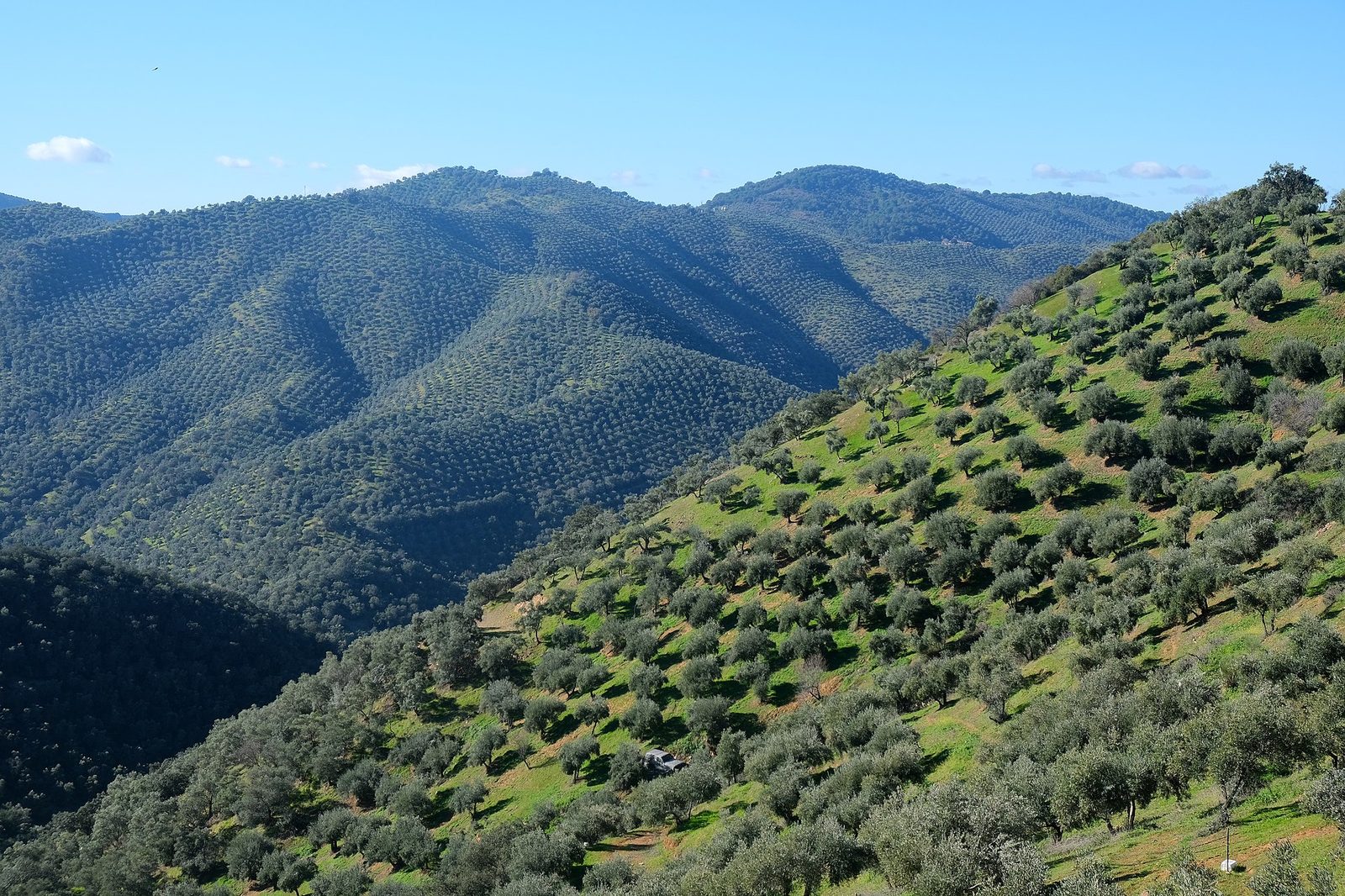
Among the more striking corners of olive research is a compound most people have never heard of, drawn from the part of the olive nobody wants: the pomace, the skins-and-stones paste left over after the oil is pressed. Researchers found that a natural substance in it can kill colon-cancer cells in the laboratory. It is a real, worthwhile line of inquiry — and a textbook example of how honest science becomes a reckless headline.
What was actually found
Researchers in Spain, working at the universities of Granada and Barcelona, studied maslinic acid — a natural triterpene concentrated in the waxy skin of the olive and abundant in pomace. In cell-culture experiments they showed that it inhibited the growth of human colon-cancer cells and triggered apoptosis, the cell’s own programmed-death mechanism. Later work traced the pathway in some detail. As lab biology, it is a clean and interesting result: a waste product of the mill holds a molecule that acts on cancer cells in a dish.
What it does — and does not — mean
Let me be very plain, because this is the kind of story that does harm when it is mis-told. This was an experiment on cancer cells in a dish, not in people. ‘A compound from olives kills cancer cells in vitro’ is a legitimate and promising line of research — but it is not ‘olives cure cancer’, and it never was. Countless substances kill cancer cells in a dish and then do nothing useful, or something harmful, in a living human body, where dose, absorption, metabolism and safety all intervene. Olive oil is a genuinely healthy food and part of a dietary pattern linked to lower disease risk; it is not a cancer treatment, and anyone selling it as one is lying. This is general information, not medical advice.
| Compound | Maslinic acid (a natural triterpene) |
|---|---|
| Source | Olive skin and pomace — the mill’s leftover paste |
| What was shown | Killed colon-cancer cells and triggered apoptosis |
| Where | In vitro — cells in culture, not in people |
| Researchers | Universities of Granada and Barcelona |
| What it is NOT | Proof that olives treat or cure cancer |
The honest interest in it
Strip away the hype and something quietly pleasing remains. The pomace — the mill’s waste, usually treated as a disposal problem — turns out to hold compounds worth studying. That is a good enough reason to care, without any miracle framing: value hiding in a by-product, a reminder that the olive is a more interesting fruit than its oil alone. It also underlines the wider point that the benefits people chase in olive oil ride on its fragile plant compounds — the polyphenols and triterpenes that a tired, refined or long-dead oil has largely lost.
How to read a study like this
- Ask ‘in a dish or in people?’ — in vitro is a starting point, not a result for humans.
- ‘Kills cancer cells in the lab’ is common and rarely translates to a treatment.
- No food cures cancer; anyone claiming otherwise is selling something.
- Real interest here: a mill waste product holds compounds worth studying.
- For health, eat a diet built on fresh, real olive oil, not a headline.
Maslinic acid and cancer research: common questions
What did the 2008 research show?
That maslinic acid, a compound from olive-skin pomace, killed human colon-cancer cells and triggered apoptosis in laboratory cell cultures.
Does this mean olives cure cancer?
No. It was an in-vitro study on cells in a dish, not in people. Many substances kill cancer cells in the lab without being useful treatments in the body.
What is maslinic acid?
A natural triterpene concentrated in the waxy skin of the olive and abundant in pomace, the paste left over after pressing.
Is olive oil a cancer treatment?
No. It is a healthy food linked, as part of a dietary pattern, to lower disease risk, but it is not a treatment, and it should never be sold as one.
Why is the finding still interesting?
Because a mill waste product turns out to contain compounds worth studying — interesting in its own right, without any miracle claims. This is general information, not medical advice.
This is the kind of finding I most want to handle gently, because it is exactly where good science gets twisted into a lie. Yes, a compound from olive pomace kills colon-cancer cells in a dish, and yes, that’s worth studying. No, it does not mean olives cure cancer, and anyone who tells you it does is either careless or selling something. What I take from it is smaller and truer: the mill’s waste holds molecules worth a look, and the olive keeps surprising us. Eat real olive oil because it’s good food — not because a headline promised a miracle.
Originally reported December 2008, on research from the University of Granada and the University of Barcelona into maslinic acid and colon-cancer cells in vitro. General information, not medical advice.