Spain Sells a Record, Yet Olive Oil Prices Stay Below Cost
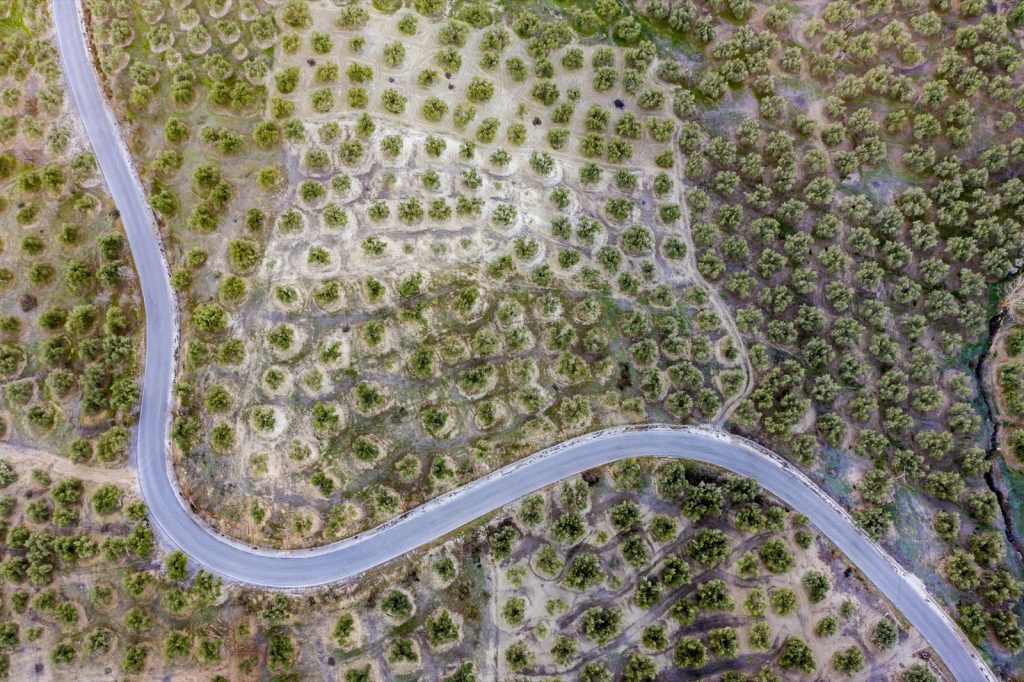
Spain has just closed the best selling season in the history of its olive oil trade, with more than a million tonnes marketed and record exports, yet its growers have been paid less than it costs them to produce for the second year running. Farm union COAG is gathering government officials, cooperatives and industry in Granada today to ask how both things can be true at once. Here are the numbers, the arguments, and what they mean for the oil on your shelf.
What happened
Figures from Spain’s Olive Oil Agency, circulated this month by the Spanish Association of Olive Municipalities (AEMO), show that the 2009/10 marketing season beat every sales record. More than one million tonnes of Spanish olive oil were marketed, and 577,000 tonnes of it left the country, 17 percent more than the season before and 33 percent above the average of the previous four years. AEMO says exports ran at monthly levels never seen before.
The same bulletin describes a depressed market unable to pay production costs. The average price of olive oil barely reached 1.76 euros a kilo, against about 2.70 euros in earlier years. Earlier this year it was reported that Spanish growers had lost on average some 210 euros per hectare over the season.
Today’s seminar in Granada, organized by the farm union COAG under the title “Toward a market that rewards quality,” brings together Andalusia’s regional agriculture officials, the head of the olive section at the national agriculture ministry, the bottlers’ and refiners’ association ANIERAC and the national federation of agricultural cooperatives. The union’s argument is simple: sales are booming and growers are going broke.
The numbers
| Measure | Figure | Who says so |
|---|---|---|
| Oil marketed in 2009/10 | More than 1 million tonnes | Olive Oil Agency, via AEMO |
| Exports | 577,000 tonnes, up 17 percent | Olive Oil Agency, via AEMO |
| Average price of the season | About 1.76 euros per kilo | AEMO |
| Ministry reference cost of production | 2.29 euros per kilo | COAG |
| Extra virgin at origin, last week | 2.01 euros per kilo | COAG, from Poolred data |
| Projected grower losses this season | More than 700 million euros | COAG |
COAG’s point is that since October 2009 prices at origin have never once reached the production cost that the agriculture ministry itself uses as its reference. Its olive sector spokesman summed it up with the Spanish saying that it is raining on ground that is already wet.
Why the paradox
A record in volume and a slump in price are two sides of the same coin. Spain has been harvesting big crops, well above what its own market can drink, and the only way to move the surplus is to price it to sell abroad and in supermarkets at home. Exporters and bottlers can do well on volume at thin margins. The grower has no such cushion: his costs for labor, fuel, fertilizer and water are fixed per hectare, whatever the oil fetches. We explained the chain from grove to shelf in why imported olive oil costs what it does, and the same arithmetic applies inside Spain.
Last year Brussels stepped in with private storage aid for olive oil, which took some oil off the market and helped prices recover. This year there is no such help. The aid can only be opened when prices fall below reference thresholds fixed years ago, and those sit well under today’s production costs.
What it means for buyers
- Olive oil in the shops is cheap, and for now it is likely to stay that way.
- Much of that cheapness is being paid for by growers, not by efficiency.
- Traditional hillside groves tend to be the first abandoned when prices sit below cost for years, and they are often the source of the more characterful oils.
AEMO, for its part, insists prices must rise eventually because sales keep growing. It adds, with some honesty, that in this market you never know.
A record export year tells you how much oil moved, not who made money on it. When you see a big-brand or store-brand extra virgin at a price close to what growers are paid at origin, the bottle, the label, the freight and the retailer’s margin all still have to come out of it. Someone in that chain is selling below cost, and it is usually the person who pruned the trees.