Importers Sue Over Pomace Sold as ‘100% Pure Olive Oil’
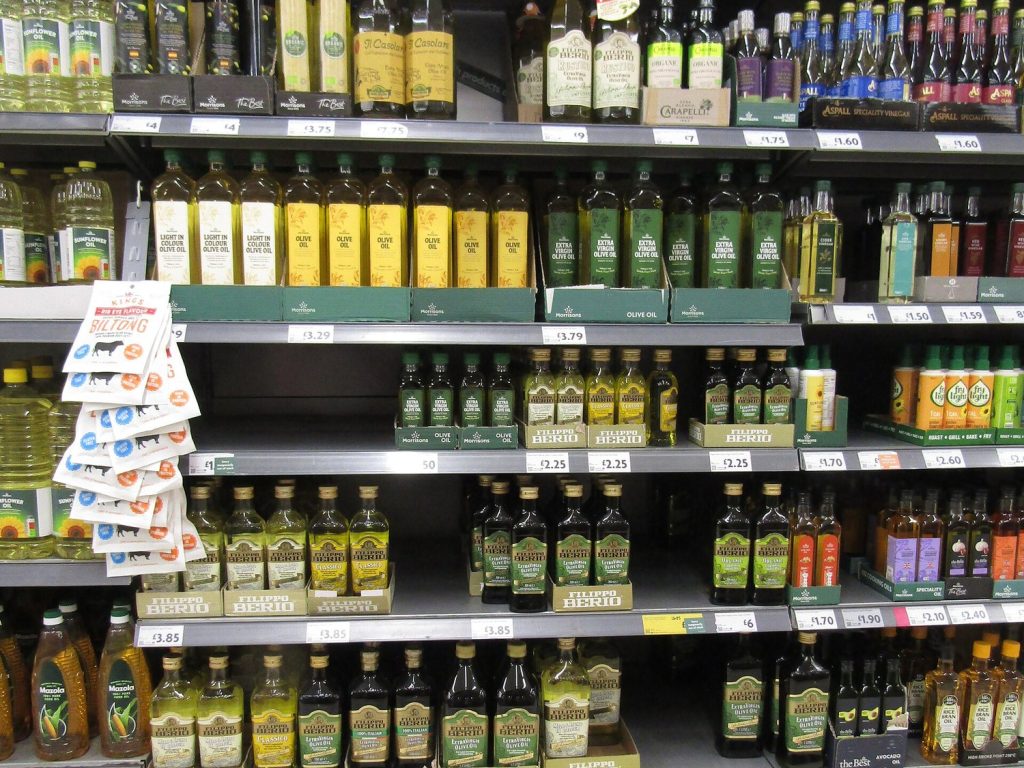
The North American Olive Oil Association has sued Kangadis Food, the New York company behind the Capatriti brand, claiming its “100% Pure Olive Oil” is in fact olive pomace oil. The suit was filed on Wednesday, February 6, in federal court in Manhattan. Here is what the importers allege, why pomace is not olive oil, and how to protect yourself at the shelf.
What happened
The North American Olive Oil Association (NAOOA), the trade group for olive oil importers and marketers in the United States and Canada, filed a civil lawsuit in the U.S. District Court for the Southern District of New York against Kangadis Food Inc. of Hauppauge, New York, which does business as The Gourmet Factory. The association says tins sold under the Capatriti name as “100% Pure Olive Oil” contain olive pomace oil.
According to the association, it grew suspicious because Capatriti was selling for one-third to one-half the price of competing brands. It hired an independent contractor to buy nine tins from three different lots, stripped the identifying labels, and shipped the samples to a laboratory in Spain certified by the International Olive Council. The association says none of the samples tested as pure olive oil, and that the results pointed to pomace oil and possibly seed oils.
The suit asks the court to stop Kangadis from selling any pomace product that is not labeled as such, and to make the company tell retailers and other buyers that what they bought was not what the tin said. Themis Kangadis, an executive with the company, told The New York Times he had not heard of the lawsuit. “I had no idea,” he said.
Why pomace is not olive oil
Olive oil comes from the fruit by mechanical means: crush, mix, spin. Even refined olive oil starts life as oil pressed from olives. Pomace oil is different. It is recovered from what is left after pressing, the skins, pulp and pit fragments, using heat and chemical solvents such as hexane, and then refined to make it edible.
It is a legal product, sold openly in many countries as “olive-pomace oil”, and it has its uses in frying. What it cannot be is “olive oil”. As Eryn Balch, the association’s executive vice president, put it to The New York Times: “Olive pomace oil is not allowed in any grade of olive oil under any standard anywhere in the world.” She added that the cost of producing it is a fraction of what it costs to produce authentic olive oil, which is exactly why mislabeling it pays.
| Name on the label | What it should be |
|---|---|
| Extra virgin olive oil | Mechanically extracted, no defects, low acidity |
| Olive oil (often sold as “pure”) | Refined olive oil blended with some virgin oil |
| Olive-pomace oil | Solvent-extracted from pressing residue, refined, and labeled as pomace |
Why this case is unusual
For years the loudest complaints about olive oil quality in America came from domestic growers and critics of the importers. This time the importers themselves are going to court. The big brands have a simple commercial reason: every cheap tin of pomace sold as olive oil undercuts them on price and teaches shoppers that “olive oil” can cost almost nothing.
It also exposes the gap in American enforcement. There is no mandatory federal testing of olive oil on store shelves, so disputes like this end up being settled by a trade group paying for its own lab work and its own lawyers. States have tried to fill the gap: New York already requires blended oils to show the percentages of each oil on the label.
What it means for buyers
- “100% pure” is marketing language, not a grade. The grade is the words “extra virgin olive oil”, “olive oil” or “olive-pomace oil”.
- Price is the first warning. Olive oil has a cost floor, and a tin priced far below every other brand on the shelf deserves suspicion.
- Big tins are often honest and good value, but the tins that sell purely on price are also where mislabeled product tends to hide.
Nobody in the bulk trade ever buys pomace thinking it is olive oil. It trades under its own name, at its own much lower price, with its own lab profile. So when pomace ends up in a tin marked olive oil, it did not get there by accident somewhere down the chain. Someone decided to relabel it, and the saving went straight into their margin.