Europe Orders Its First Xylella Measures
In the summer of 2014 the European Union adopted its first emergency measures against Xylella, the incurable bacterium then destroying the ancient olives of Puglia. It was the moment a regional tragedy became an EU emergency — and the start of a policy with no painless choices.
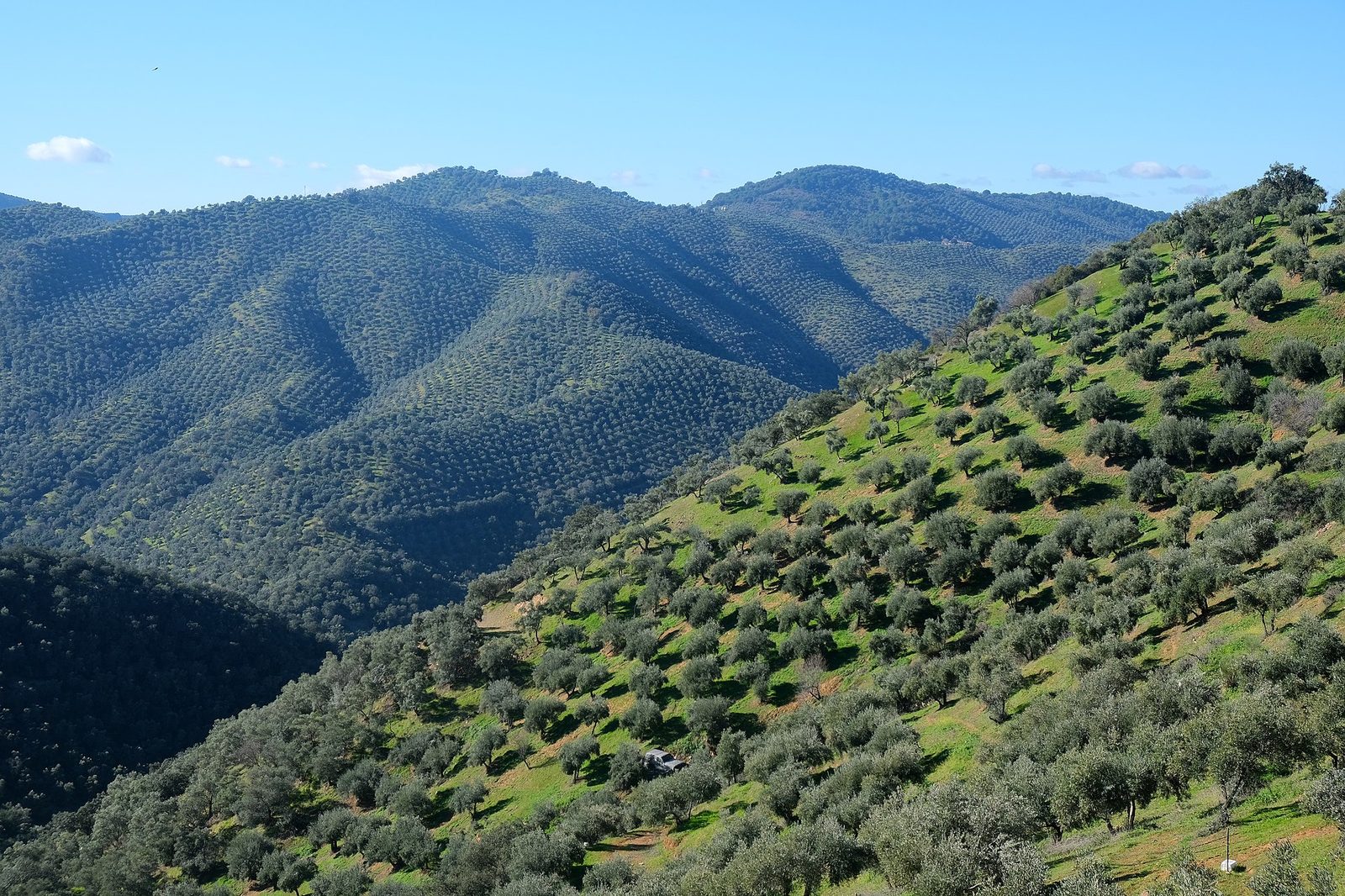
By 2014 the ancient olive groves of Salento, in Puglia at the heel of Italy, were dying in numbers no one could ignore. The cause was Xylella fastidiosa, an incurable bacterium first reported near Gallipoli the year before. That summer, the European Commission adopted its first binding emergency measures to slow the spread — the point at which a local Italian catastrophe became a formal EU-wide emergency, and the front line against the gravest threat in the olive world was drawn.
What the rules actually did
The measures were not a cure — there is no cure — but a containment framework. They restricted the movement of host plants that could carry the bacterium, mandated surveillance and, most controversially, underpinned orders to destroy infected trees and a buffer of healthy trees around them. By the time the rules were written, thousands of hectares were already affected. The logic was brutal but coherent: you cannot save an infected tree, so you sacrifice some healthy ones to try to save a region.
The agonising choice at the heart of it
This is where the Xylella story turns genuinely tragic. Felling healthy, sometimes centuries-old olive trees to build a firebreak is a policy with no good options — only less-bad ones. It provoked fierce local resistance, legal challenges and real grief, because these were not just crops but heritage, some of them among the oldest trees in the Mediterranean. The 2014 rules made that heartbreaking calculus official, and it has shadowed every Xylella decision since.
Why it still matters a decade on
More than ten years later there is still no cure, and the framework first sketched in 2014 remains the front line — surveillance, host-plant control, and removal where infection is found. It has not beaten Xylella, but it has slowed it, and slowing is the only victory currently on offer. This is the quiet, grinding reality behind the disease: not a dramatic battle won or lost, but an endless containment effort against a pathogen that never truly leaves.
| Measure | Purpose |
|---|---|
| Restrict host-plant movement | Stop the bacterium travelling with nursery stock |
| Mandatory surveillance | Find new outbreaks early, while containable |
| Remove infected trees | Cut the source of local spread |
| Buffer-zone felling | Build a firebreak of removed healthy trees |
| Vector control | Reduce the sap-feeding insects that carry it |
The hard lessons
- There is no cure — every tool is about slowing spread, not healing trees.
- Containment means painful trade-offs, including felling healthy heritage trees.
- Early detection is everything; a hidden outbreak is far harder to contain.
- The threat is permanent — the 2014 framework is a front line, not a finish line.
Europe’s Xylella measures: common questions
What did the EU do in 2014?
It adopted its first binding emergency measures against Xylella fastidiosa, restricting host-plant movement and underpinning the removal of infected and surrounding trees.
Why fell healthy trees?
Because there is no cure. Removing a buffer of healthy trees around infected ones builds a firebreak to try to save the wider region — a grim but coherent tactic.
Where was the epicentre?
Salento, in Puglia at the heel of Italy, where Xylella was first reported near Gallipoli and where ancient olive groves were dying.
Has the policy worked?
It has slowed Xylella rather than beaten it. A decade on there is still no cure, and containment remains the only option available.
Why was it so controversial?
Felling centuries-old olive trees — heritage as much as crops — provoked fierce resistance, legal challenges and real grief among growers.
The Xylella measures are the hardest kind of policy to defend and the hardest to abandon: they ask growers to cut down healthy, sometimes ancient trees to save a region, on the promise of slowing a disease that cannot be cured. There is no clean answer here, and anyone who offers you one is not being honest. What the 2014 rules recognised, correctly, is that against an incurable, insect-borne pathogen the only weapon is containment — early detection and the firebreak. A decade on, that grim calculus is still the front line, because Xylella never really leaves.
Drawn from the European Commission’s 2014 Xylella emergency decision and EU plant-health guidance, and reporting on the Puglia outbreak.