Why Greece Ships Its Best Oil to Italy
Greece grows some of the finest olive oil on earth — and then ships a large share of it abroad in tankers, to be bottled, branded and sold at a premium by someone else. It is one of the great missed opportunities in world food, and it starts on your supermarket shelf.
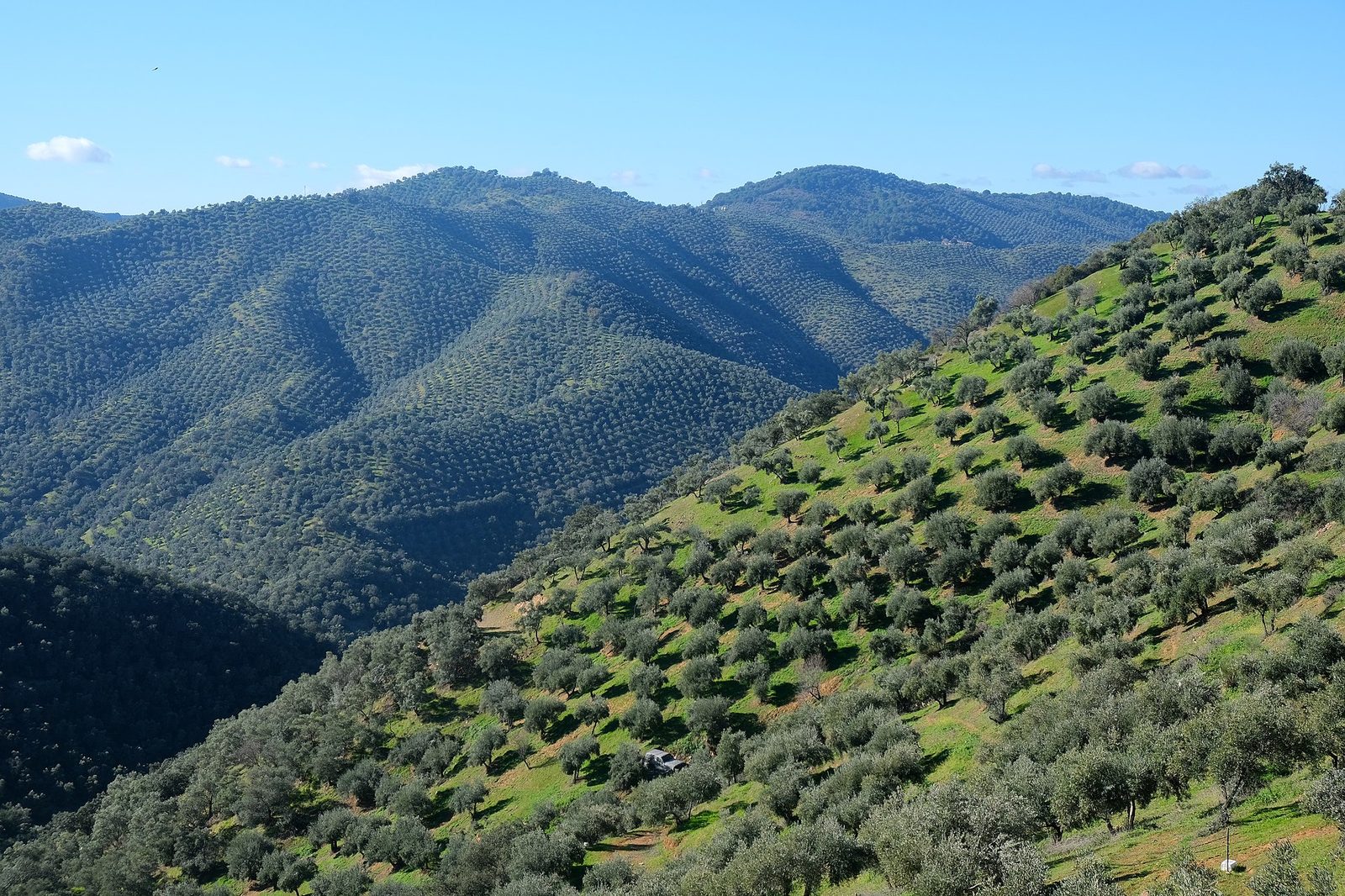
Greece is the third-largest olive-oil producer in the world, and an unusually large proportion of what it makes is high-grade extra virgin — the country’s climate and native Koroneiki lend themselves to it. Yet a very large share of that oil leaves Greece not in bottles but in bulk, carried by tanker to be finished elsewhere. The single biggest destination has long been Italy, whose bottlers buy Greek oil, blend and package it, and sell it on under Italian labels at a considerable markup.
Where the money goes
The economics are stark. Greece exports the raw juice at bulk-commodity prices; the finishing country captures the branding premium — the difference between what tanker oil fetches and what a smart Italian bottle commands. Estimates have put that extra margin at something like half again on top of the bulk price. In plain terms, the value is added, and kept, at the bottling end. Greece does the growing and the milling; others do the selling, and take the profit that comes with a name on the label.
Why it happens
This is not a scandal so much as a structural habit. Greece’s olive sector is fragmented into many small growers and co-operatives, with less of the marketing muscle, distribution reach and global brand-building that Italian houses spent generations acquiring. Selling in bulk is the path of least resistance: it clears the crop, pays the grower something now, and asks nothing of him in branding or export logistics. The cost is invisible and long-term — a premium permanently surrendered to the middleman.
What it means on the shelf
This is the quiet mechanism behind ‘bottled in Italy’: a phrase that can, entirely legally, dress superb Greek oil in an Italian flag. There is nothing fraudulent about it when the label is honest about origin — but ‘bottled in Italy’ tells you where the glass was filled, not where the olives grew. For the shopper who wants the real thing and wants the value to stay where the fruit was pressed, the answer is to seek out oil that names its Greek origin — a region, an estate, a Greek PDO — and buy it direct.
| Greece’s rank | Third-largest olive-oil producer worldwide |
|---|---|
| Quality profile | A high share is top-grade extra virgin |
| The habit | A large share exported in bulk, not bottled |
| Main destination | Historically Italy, for bottling and rebranding |
| Who gains | The bottling country captures the branding premium |
| Shopper’s fix | Buy oil that names its Greek origin, ideally direct |
Buying Greek oil that stays Greek
- Look for a named Greek origin — region, estate or PDO — not just a country of bottling.
- Understand that ‘bottled in Italy’ describes the glass, not the grove.
- Buying origin-bottled Greek oil keeps the value where the olives grew.
- A single-variety Koroneiki from a named estate is a reliable place to start.
Greek oil bottled in Italy: common questions
How much of Greece’s oil is exported in bulk?
A large share — commonly cited at around 60% — leaves in bulk rather than bottled, much of it historically bound for Italy.
Is ‘bottled in Italy’ misleading?
Not if the label is honest: it legally means the oil was bottled in Italy, not necessarily grown there. It simply doesn’t tell you the olives’ origin.
Why does Greece sell in bulk instead of bottling?
Its sector is fragmented into many small growers with less marketing and export muscle, so bulk sales are the easy route to clear the crop and pay growers quickly.
Who profits from the arrangement?
Mostly the bottling and branding end. The finishing country captures the premium between bulk-commodity prices and the price a branded bottle commands.
How do I buy genuinely Greek oil?
Choose oil that names a Greek region, estate or PDO, ideally origin-bottled, so the value and the traceability stay with the grower.
This one always stung me. Greece grows oil as good as anything in the Mediterranean and then hands away the best part of its value in a tanker, because selling in bulk is easier than building a brand. The finished bottle, marked up and dressed in someone else’s flag, is the same oil a Greek grower sold cheap months earlier. None of it is illegal, and ‘bottled in Italy’ is an honest phrase — it just means the glass, not the grove. Buy oil that names its Greek origin and you keep the money where the olives actually grew.
Drawn from trade analyses of Greek bulk olive-oil exports and the economics of bottling and rebranding.