Low Stocks as the 2015 Harvest Begins
Every so often a harvest opens with the cupboards already bare. Olive-oil stocks are invisible to shoppers, yet they are the single biggest reason a bad harvest sometimes barely moves prices and other times sends them soaring.
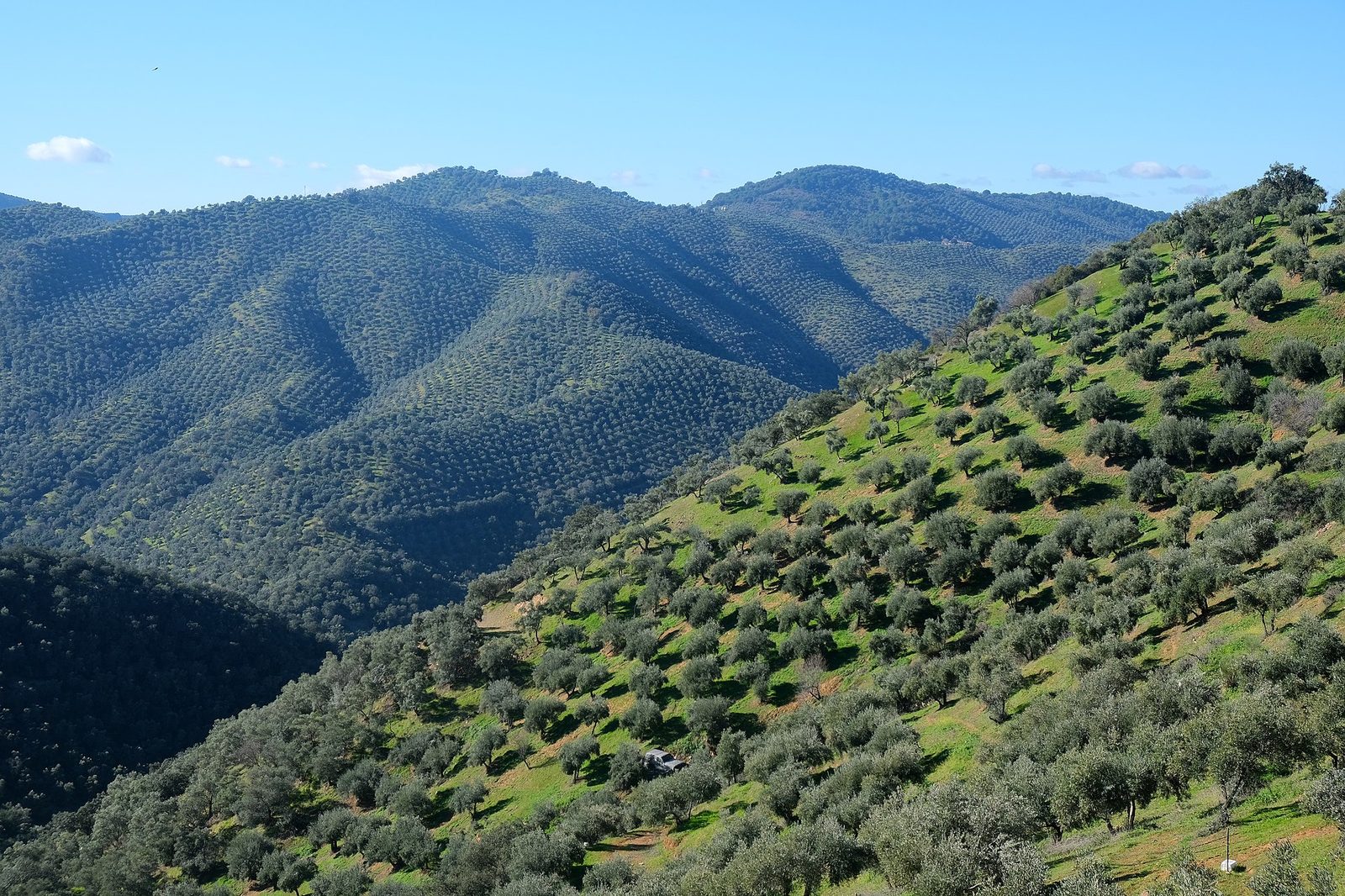
At the start of a season, the market does not begin from zero. It begins with carryover stocks — the oil left in tanks from previous harvests, held by producers, bottlers and co-operatives. Those reserves are the buffer between what is grown and what is sold, and they smooth out the olive tree’s natural habit of a big crop one year and a small one the next. When a harvest opens with historically low stocks, that buffer is thin, and the whole market is riding without much suspension.
Why one bad year is survivable
A single poor harvest, on its own, is rarely a catastrophe for prices. If reserves are healthy, the market simply draws them down: bottlers dip into stored oil to meet demand, prices firm a little, and everyone waits for the next crop to refill the tanks. The cushion does its job. This is why you can have a genuinely bad harvest report and only a modest bump at the till — the stocks absorbed the blow.
Why two bad years are dangerous
The danger is consecutive shortfalls. The first poor harvest drains the reserves; if the next one also disappoints, there is nothing left to draw on. Now supply must match demand in real time, and the market has lost its ability to absorb shocks. This is the moment a further problem — a drought, a heatwave, a pest year — passes straight through to the price with nothing to soften it. Low opening stocks are, in effect, an early-warning light on the market’s dashboard.
What it means for your bottle
You will never see a stock level printed on a label, but it shapes what you pay more than almost anything else. When you read that reserves are running low going into a harvest, treat it as a signal: buy a good oil while it is still affordable, and understand what that price really reflects. A tight-stock year is precisely when a well-stored bottle bought early looks clever six months later — and when the temptation to cut real oil with cheap substitutes grows sharpest.
| Carryover stocks | Oil held in tanks from previous harvests |
|---|---|
| Their function | Buffer between what is grown and what is sold |
| One poor harvest | Usually absorbed by drawing down reserves |
| Two poor harvests | Reserves drained; market loses its cushion |
| Consequence | The next shortfall passes straight to price |
| Shopper’s cue | Low opening stocks = buy good oil early, store it well |
Reading the market like a buyer
- Low opening stocks are a price warning, even before any harvest number.
- One bad year is cushioned; watch for the second in a row.
- Buy a good oil while it is affordable, and store it cool and dark.
- Tight years invite fraud — insist on traceable, dated oil.
Olive-oil stocks and prices: common questions
What are carryover stocks?
The olive oil left over in tanks from previous harvests, held by producers, co-operatives and bottlers. They bridge the gap between one season’s crop and the next.
Why do stocks matter to the price I pay?
They are the market’s buffer. Healthy reserves absorb a bad harvest with little price movement; thin reserves leave prices exposed to the next shortfall.
Why is a single bad harvest often survivable?
Because bottlers can draw on stored oil to meet demand while waiting for the next crop, so prices firm only modestly.
When do prices really spike?
After two poor harvests in a row, when reserves are drained and a further problem — like drought — passes straight through to price with no cushion.
What should I do in a low-stock year?
Buy a good, traceable oil while it is still affordable, store it cool and dark, and be extra wary of suspiciously cheap ‘bargains’.
Stocks are the part of the olive-oil market almost no shopper thinks about and almost every price move depends on. You can’t read a reserve level off a bottle, but it is doing more to set the price than the pretty label ever will. The rule I’d give anyone : when you hear reserves are low going into a harvest, that is your cue to buy a good oil before the spike and store it properly — and to tighten your guard, because a thin-stock year is exactly when cheap oil starts wearing an expensive coat.
Drawn from USDA Foreign Agricultural Service and International Olive Council reporting on olive-oil stocks and market dynamics.