California’s Olive Oil Reaches 13,300 Tonnes
Thirteen thousand tonnes of olive oil sounds like a lot until you set it beside Spain’s millions. California’s crop is a rounding error on the world map — and yet its trajectory, and one quiet advantage, make it matter more than the number suggests.
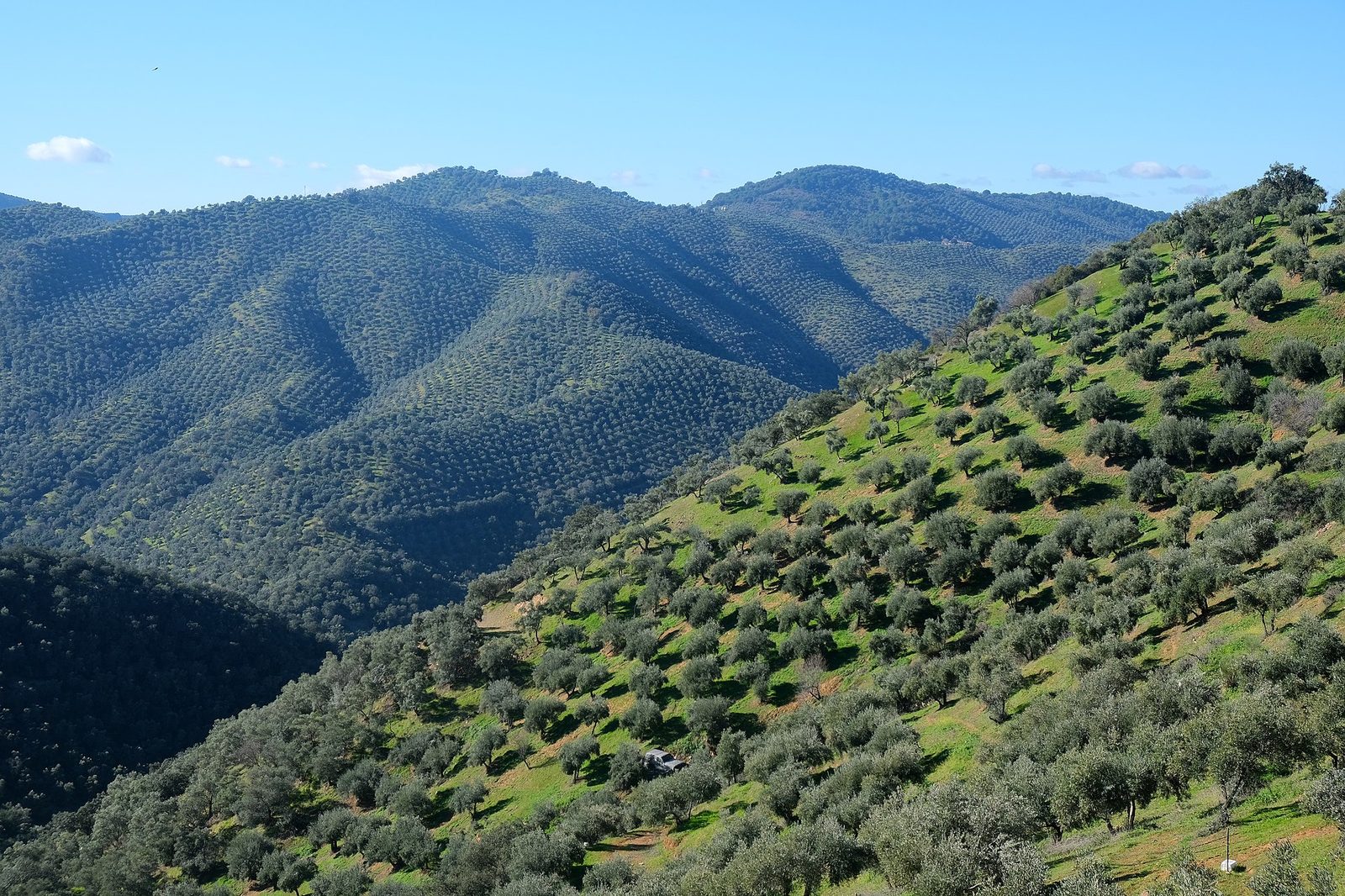
Put California’s olive-oil output on a world league table and it lands somewhere between small Mediterranean and Middle Eastern producers — a modest figure dwarfed by Spain, Italy and Greece. It is easy to look at that and shrug. But two things make the number more interesting than it first appears. One is the direction of travel: a domestic industry climbing steadily from almost nothing toward a real share of what Americans pour. The other is a structural advantage that no importer, however good, can match — proximity.
Small on the map, growing fast
Scale is not the story here; the slope of the line is. American home-grown suppliers had roughly tripled their share of domestic consumption in a handful of years, moving from a marginal presence toward a meaningful one. That kind of growth does not come from displacing Spain on price — no one out-cheaps the giants — but from carving out a premium, provenance-led niche where buyers want to know where their oil came from and when it was made. A young industry with a rising curve is worth watching precisely because the curve, not the current total, is the point.
The freshness advantage
Here is the edge that gets overlooked. Olive oil is at its best young, and it deteriorates from the moment it is pressed — light, heat, oxygen and time all wear it down. Oil made across an ocean has to be milled, stored, shipped, warehoused and distributed before it reaches an American shelf, and every one of those weeks costs it a little life. Oil pressed in California can travel a fraction of that distance in a fraction of the time. For a product where freshness is quality, a short road from press to shelf is a genuine, structural advantage — and one of the few places a small domestic industry can beat a vast foreign one outright.
Part of a much longer story
Zoom out and California’s rise is one more chapter in the oldest theme in olives: the tree leaving its Mediterranean home. It went to the Americas with missionaries and settlers, sat as a curiosity for generations, and is now a serious, quality-minded industry in its own right. The tonnage is small, but the meaning is not — it is proof that the olive has fully naturalised on a new continent, and that the map of where good oil comes from is still being redrawn. See the wider picture in American olives.
| Output | Around 13,300 tonnes a year |
|---|---|
| World rank | Small — between minor producers |
| US share | Grew to roughly 6% of consumption |
| Growth | Up from around 2% a few years earlier |
| Real advantage | Freshness — short press-to-shelf distance |
| Competes on | Provenance and quality, not price |
What it means for your bottle
- Domestic oil trades on freshness and traceability, not on undercutting the Mediterranean giants.
- A shorter press-to-shelf journey means less time for light, heat and air to degrade the oil.
- Judge a young-industry oil by its harvest date and taste, not by its country’s total output.
- The rising share, not the small tonnage, is the number that tells you where things are heading.
California olive oil: common questions
Is California a big olive-oil producer?
No — its output is small on the world scale, a fraction of what Spain, Italy or Greece make. Its significance is its growth and freshness, not its size.
What is California’s real advantage?
Freshness. Oil pressed locally reaches American shelves far faster than imported oil, and olive oil is at its best when young.
How fast is the industry growing?
Its share of US consumption roughly tripled over a few years, climbing from a marginal presence toward a meaningful one.
Can California compete with Spain on price?
Not really — no one out-cheaps the giants. It competes instead on provenance, quality and freshness, aiming at a premium niche.
Why does the small tonnage still matter?
Because it marks the olive fully naturalising on a new continent, and because the rising trend, not the current total, is what points to the future.
Do not be fooled by the small tonnage — it is the wrong number to fixate on. A young industry climbing steadily, and doing it on freshness rather than price, is more interesting than a giant standing still. California can never out-cheap Spain, and it should not try. Its one unbeatable card is the short road from press to shelf, because olive oil is a fresh product pretending to be a pantry staple. Buy the local bottle for its harvest date and its living taste, not because a flag on the label flatters you.
Drawn from California Olive Oil Council figures and US consumption estimates.