Xylella Detected in Spain for the First Time
In 2016 the olive-killing bacterium Xylella fastidiosa was confirmed in Spain for the first time, on Mallorca. It brought the gravest, quietest threat in the whole olive story to the door of the country that presses close to half the world’s oil.
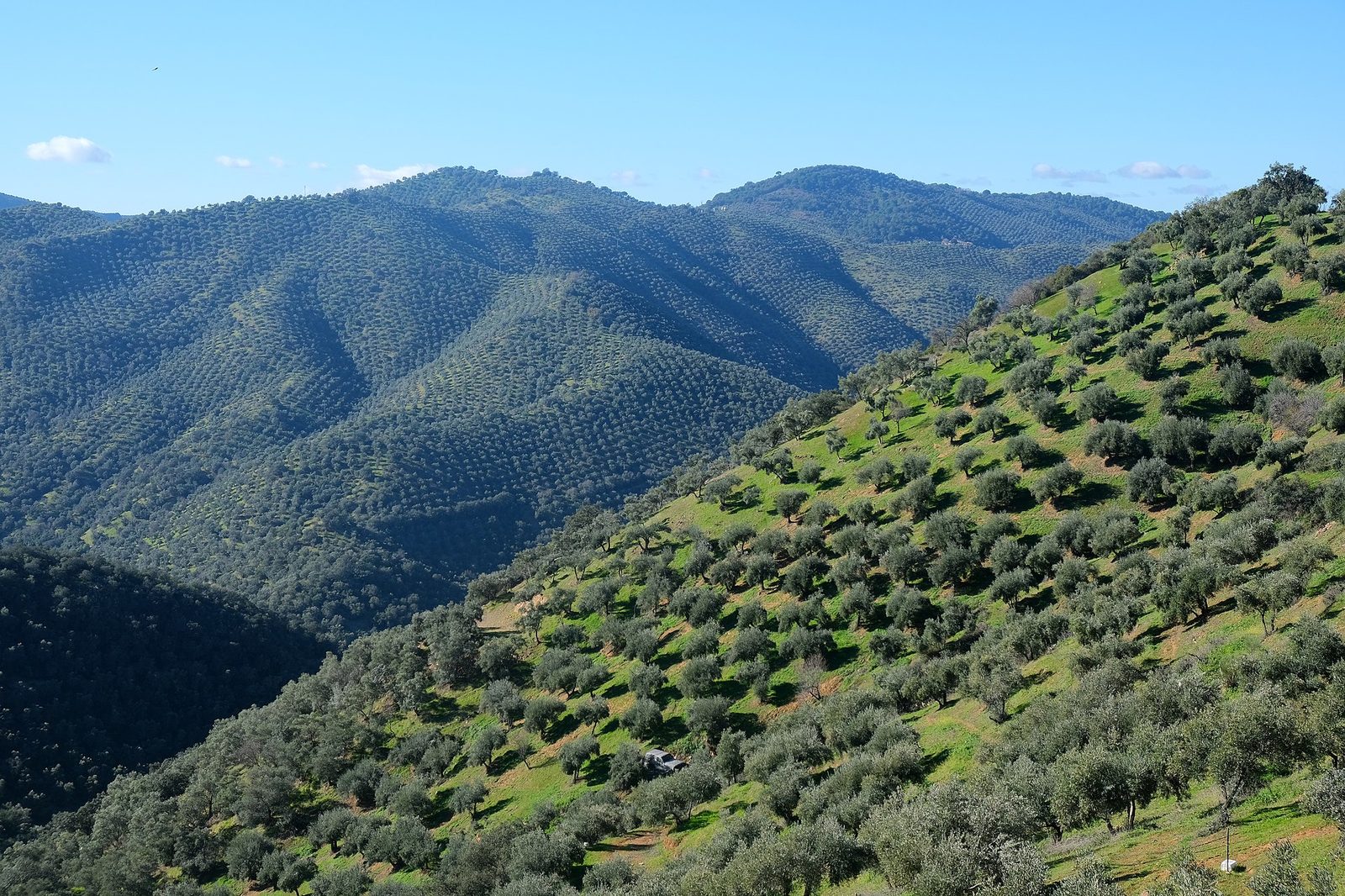
During routine plant inspections on Mallorca, in Spain’s Balearic Islands, Xylella fastidiosa was detected for the first time on Spanish soil. After the bacterium’s devastation of the ancient groves of Puglia in southern Italy, the discovery rang alarm bells across the olive sector, because Spain is the single most important producing country on earth. Testing later confirmed the pathogen on wild olive trees as well — and, sobering to specialists, the same aggressive genetic strain that had killed millions of trees in Apulia.
What Xylella actually is
Xylella is a bacterium that lives in the xylem, the plumbing a plant uses to carry water from root to leaf. It multiplies until it blocks those vessels, so an infected tree slowly dies of thirst even in wet ground — leaves scorch, branches die back, and over a few seasons the tree is gone. It is carried from plant to plant by sap-sucking insects such as the meadow spittlebug, which makes it fiendishly hard to stop: you cannot fence out a bug. And crucially, there is no cure. Nothing you can spray or inject clears an infected tree.
Why it matters so much here
Spain presses close to half the world’s olive oil, most of it from the vast groves of Andalusia on the mainland. An epidemic taking hold there, as it did in Puglia, could threaten a huge slice of global supply — not a regional inconvenience but a shock to the whole market. That is why a find on a holiday island mattered far beyond the island: it proved the bacterium could cross to Spain, and it put the mainland heartland on notice.
Contained, not conquered
The one hopeful line is that the Balearic outbreak did not explode into a Puglia-scale catastrophe. Aggressive surveillance, movement bans on host plants and removal of infected material have so far kept it in check, and the islands were placed under a long-term containment regime rather than a hope of eradication. But contained is not cured. Infected plants keep being found year after year; the bacterium never left. It remains, to my mind, the single most serious long-term threat hanging over the olive — slow, silent, and patient.
| Pathogen | Xylella fastidiosa (a xylem-blocking bacterium) |
|---|---|
| First Spanish detection | Mallorca, Balearic Islands, 2016 |
| Strain | Same aggressive type seen in Puglia, Italy |
| Spread by | Sap-sucking insects (e.g. spittlebugs) |
| Cure | None — only containment and removal |
| Status | Under long-term containment; never eradicated |
Why this is everyone’s story, not just Spain’s
- No cure means the only tools are surveillance and sacrifice — find it early, remove hosts, restrict movement.
- Spain’s scale means a Spanish epidemic would be a global supply shock, not a local one.
- Insect spread makes borders useless; plant-movement discipline is the front line.
- A warming climate widens the range of both the bacterium and its insect carriers.
Xylella and Spain’s olives: common questions
What is Xylella fastidiosa?
A bacterium that blocks a plant’s water-carrying vessels, so infected trees die of thirst even in moist soil. It has no cure and is spread by sap-sucking insects.
Where was it first found in Spain?
On the island of Mallorca in the Balearics, in 2016. It was later confirmed on the other Balearic islands and on wild olive trees.
Is there a cure?
No. There is no treatment that clears an infected tree. Management relies on early detection, removing infected and nearby host plants, controlling insect vectors and restricting plant movement.
Did it destroy Spain’s olive industry?
No — the Balearic outbreak was contained and never reached the mainland’s scale, unlike Puglia. But it has never been eradicated, and it remains a serious long-term threat.
Why is a find on an island such a big deal?
Because Spain presses close to half the world’s olive oil. Proving the bacterium could reach Spain put the huge mainland groves on alert; an epidemic there would be a global, not local, problem.
Growers do not lie awake over a bad price the way they do over this. A price recovers; a tree killed by Xylella does not come back, and neither does the century it took to grow. What frightens the trade about the Mallorca find was not the island itself but what it proved — that the thing which emptied Puglia’s groves could set foot in Spain, where nearly half the world’s oil is made. It was contained, thank goodness, but never beaten. No cure, spread by an insect you cannot fence out, and quietly at home now in the wild olives. Of all the threats in this business, this is the one I would not bet against.
Drawn from European plant-health reporting on the Balearic Xylella outbreak and its containment, and on the Puglia epidemic.