Europe Leans on Tunisia
When the European cupboard runs bare, the oil has to come from somewhere. More and more of it comes from Tunisia — a first-rank producer that most shoppers have never knowingly tasted, because so much of it flows quietly into Europe to be blended and bottled under other flags.
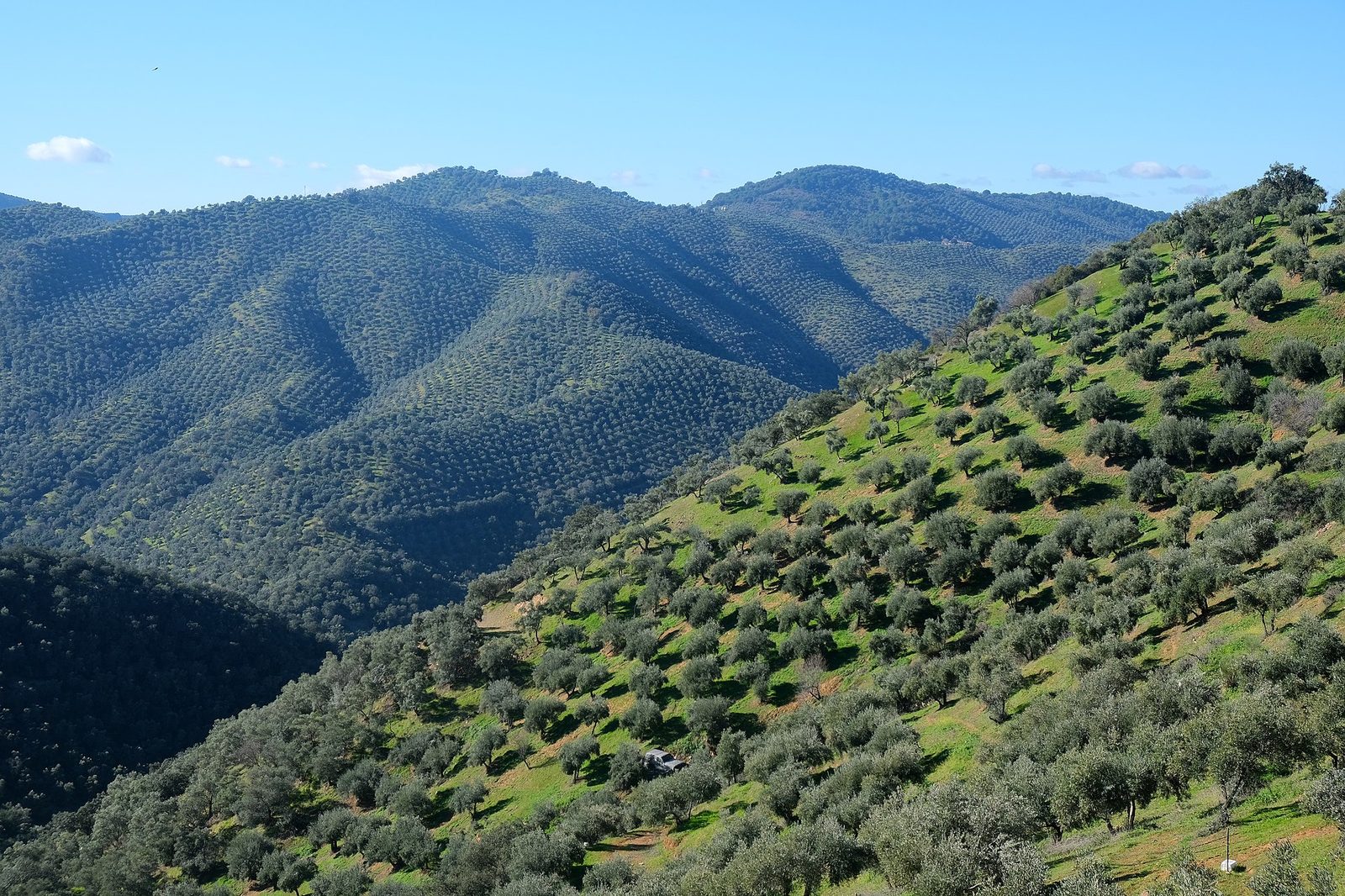
Short of its own oil in the drought years, the European Union imported heavily, and Tunisia was the leading outside supplier — the North African heavyweight stepping in to fill the gap left by drought-hit Spain and Italy. This surprises people, because Tunisia rarely appears on a front label. Yet it is one of the largest olive-oil producers on earth, with tens of millions of trees spread across a country where the olive has been cultivated since antiquity.
A great producer hiding in plain sight
Tunisia’s scale is genuine. Its groves run from the wetter northern hills, home of the Chetoui olive, down through the central plains to the dry Sahel around Sfax, where the drought-hardy Chemlali covers enormous areas in widely spaced trees. Much of it is farmed traditionally, rain-fed and low-input, which is part of why good Tunisian oil can be such value: the cost base is lower than in irrigated European estates, and the quality of the best of it is genuinely high.
Why you’ve been drinking it without knowing
Here is the open secret of the Mediterranean oil trade. Tunisia exports a great deal of its oil in bulk — in tankers and totes rather than finished bottles — to Italy and Spain, where it is blended, bottled and sold on. Some is honestly labelled as EU-blended or origin-Tunisia. A lot simply disappears into generic ‘Mediterranean’ oil, its true source unmentioned. The oil itself is often perfectly good; what’s missing is the credit and the traceability.
Where honesty ends and fraud begins
This is exactly the terrain where the fraud risk lives. When huge volumes of untraced foreign oil flow into Italy and Spain in a scarcity year, the temptation to relabel it as ‘Italian’ or ‘Spanish’ extra virgin balloons — a concern regulators raise loudly whenever prices spike. The line is simple: blending declared oil across origins is legal and normal; passing Tunisian oil off as single-origin European is fraud. Honest, traceable Tunisian oil is excellent value. The only problem is when its origin is hidden. Read how olive oil gets cut for the mechanics.
How to buy it well
- Look for oil labelled ‘Product of Tunisia’ or clearly single-origin — you’ll often get real quality at a fair price.
- Be sceptical of very cheap ‘Mediterranean blend‘ oils that name no country — that’s where hidden bulk oil lives.
- A named origin plus a harvest date is your defence against relabelled oil.
- Don’t equate ‘North African’ with ‘lesser’ — the best Tunisian oil competes with anything.
Tunisian olive oil: common questions
Is Tunisia really a major olive-oil producer?
Yes — one of the largest in the world, with tens of millions of trees and a tradition going back to antiquity. It is regularly the leading non-EU supplier to Europe.
Why haven’t I seen Tunisian oil on the shelf?
Much of it is exported in bulk to Italy and Spain, where it’s blended and bottled under other labels rather than sold as Tunisian.
Is Tunisian olive oil good?
The best of it is excellent, and it’s often very good value because production costs are lower than in irrigated European estates. Quality varies, as everywhere.
Where is the fraud risk?
Not in the oil itself, but in origin. Blending declared oils is legal; passing bulk Tunisian oil off as single-origin ‘Italian’ or ‘Spanish’ extra virgin is fraud, and it rises when prices spike.
How do I buy Tunisian oil honestly?
Look for ‘Product of Tunisia’ or a clear single origin and a harvest date, and be wary of very cheap unnamed ‘Mediterranean’ blends.
This is exactly where the fraud risk lives. With huge volumes of untraced foreign oil flowing into Italy and Spain in a scarcity year, the temptation to relabel it as ‘Italian’ or ‘Spanish’ extra virgin balloons. But don’t blame the oil — Tunisian extra virgin can be superb and honest value. The lie is never in the bottle’s contents; it’s in the origin printed on the front. Buy it named and traceable, and you get one of the Mediterranean’s great bargains with none of the deceit.
Drawn from International Olive Council world-market data and Tunisian production records.