Palestine: Olive Country in Profile
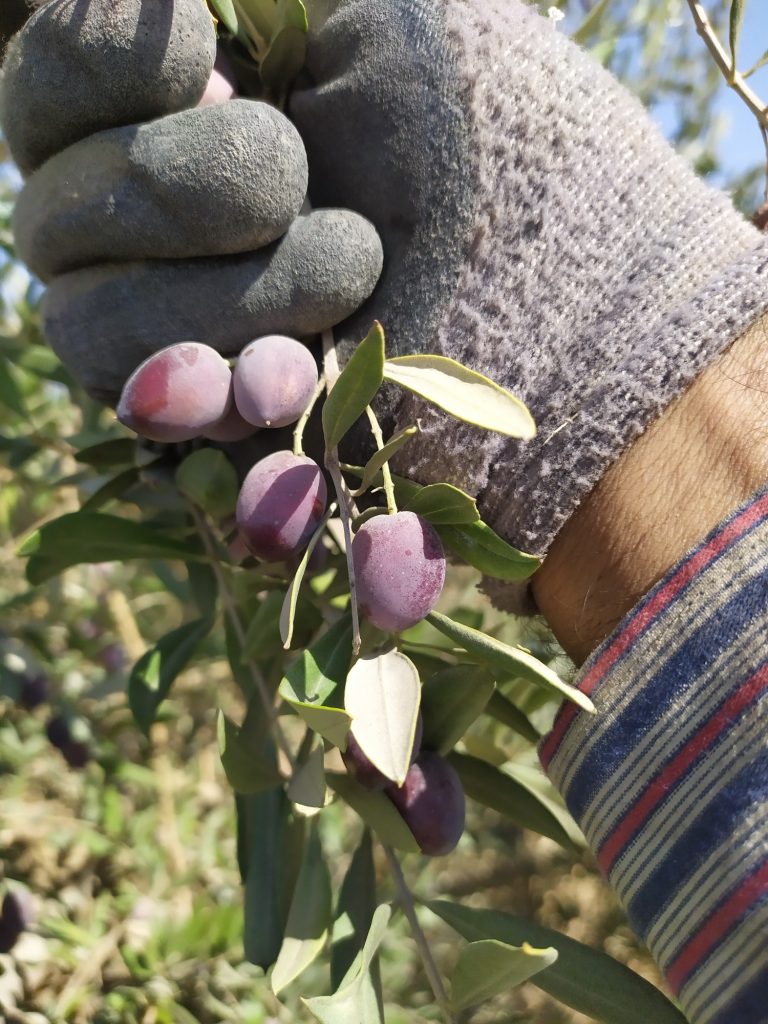
Step back from the individual groves and Palestine reveals an olive culture of unusual depth. The tree underpins the rural economy, anchors a yearly social calendar and stands as a living symbol of continuity. Built on the native Nabali across the terraced West Bank, it is small in tonnage but vast in meaning.
Most country profiles start with tonnage. This one can’t, because tonnage is the least interesting thing about Palestinian olives. By world volume Palestine is a minnow — a rounding error beside Spain or Greece. Yet few places on earth tie a single tree so tightly to food, money, ritual and identity all at once. The olive here is the rural economy, the autumn calendar and a shared symbol, and you cannot describe the oil honestly without describing all three. Drop the league-table instinct and the real picture comes into focus.
A crop at the centre of life
Olives are the most important agricultural product of the Palestinian territories, and their reach goes well beyond the balance sheet. The trees blanket the terraced hills of the West Bank, many holdings passed down through families across generations, some groves genuinely ancient. The autumn harvest is a fixed point of the year, drawing people back to ancestral land in a season that is part work, part reunion. Income, food, oil and identity flow from the same trees — which is why the olive features so heavily in Palestinian art, proverb and daily life, far beyond its raw economic weight.
That centrality has a practical edge. A household with a few dozen trees presses enough oil to cook with for the year, cures its own table fruit, and sells or barters the surplus. The grove is a pantry, a small bank account and a family meeting-point in one. When people say the olive is woven into life here, they mean it in the most literal, everyday sense.
Varieties and character
The native Nabali — also called Baladi, simply ‘local’ — dominates, joined by Nabali Mohassan, Souri and the introduced K18. These are dual-purpose olives, cured for the table and milled for the household’s oil, and they define a recognisably eastern-Mediterranean style: green and peppery when picked early, rounder and milder when left late. Souri, shared with neighbouring Levantine groves, tends to give a smaller, oilier fruit; K18 was brought in for yield. None of them were bred for a global supermarket; they were kept because they suit the hills and the household.
- Nabali (Baladi): the dominant native, dual-purpose, the country’s benchmark oil.
- Nabali Mohassan: a selected relative, prized in some districts.
- Souri: a Levantine classic, smaller and oil-rich.
- K18: an introduced, higher-yielding cultivar in newer plantings.
Small scale, deep roots
Production is small by world standards and largely cooperative- and family-led, so most of it stays local or moves through diaspora and fair-trade channels rather than commodity markets. That structure is a strength as much as a limit: it is exactly why a bottle of Palestinian oil can carry a named village and a single harvest year, where a commodity blend never could. The flip side is fragility — access to land, water and movement all shape what a given year’s crop looks like, and a hard season is felt household by household. What Palestine offers is not scale but rootedness: an olive culture where the tree and the people who tend it are genuinely inseparable.
| Region | Eastern Mediterranean, the Levant |
|---|---|
| Heartland | Terraced West Bank uplands |
| Main cultivars | Nabali (Baladi), Nabali Mohassan, Souri, K18 |
| Harvest | October–November |
| Style | Green and peppery fresh; rounder picked late |
| Where it goes | Mostly local; surplus via co-ops and fair trade |
Palestinian olives: common questions
What is the main Palestinian olive variety?
The dominant native is Nabali, also called Baladi (‘local’). It is a dual-purpose olive used both for curing as table fruit and for pressing oil. Nabali Mohassan, Souri and the introduced K18 round out the mix.
When is the Palestinian olive harvest?
Roughly October into November. The harvest is a major social and economic event, drawing extended families — including the diaspora — back to ancestral groves to pick together.
Is Palestinian olive oil good quality?
It can be very good. A carefully made early-harvest Nabali sits comfortably among solid eastern-Mediterranean oils — green, fruity and peppery. Because so much is pressed by small family mills, quality varies with the care taken, so a named producer and harvest year matter.
Where can I buy real Palestinian olive oil?
Most of it sells through cooperatives, diaspora networks and fair-trade importers rather than supermarkets. Look for a single-origin bottle with a named village and a harvest year; that traceability is both achievable here and the point of buying it.
Why is Palestinian olive culture considered so significant?
Because the tree sits at the centre of rural life — food, income, the yearly calendar and identity all flow from the same groves. The olive appears throughout Palestinian art, proverb and daily life, far beyond its modest share of world production.
If you want to taste Palestine honestly, seek single-origin Nabali through a cooperative or fair-trade importer with a named village and harvest year — that traceability is both achievable here and the whole point. You’re buying a specific family’s pressing, not a market blend. Treat it as a fresh-harvest oil: store it cool and dark and use it while the green pepper still sings. And ignore anyone selling ‘Holy Land’ oil on the romance alone with no village, no year and no mill behind it — provenance here is cheap to state and telling when it’s missing.
Compiled from International Olive Council and Palestinian agricultural sources.