Throuba Thassos Olives: The Olive You Can Eat off the Tree
Most table olives need weeks in brine or a lye bath before anyone can stand to eat them. The Throuba Thassos does not. Left on the tree until late, it shrivels, sweetens and loses its bitterness on its own — the rare olive you can pick and eat where you stand.
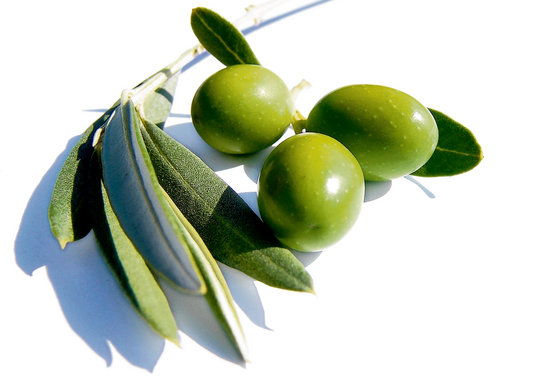
The Throuba grows on Thassos, a green island in the northern Aegean, and carries a Protected Designation of Origin for it. What sets it apart is the curing — or rather the lack of it. The fruit is left to over-ripen on the branch, where a harmless fungus, Phoma oleae, settles on the skin and slowly breaks down the bitter compounds that make a raw olive inedible. The olive wrinkles, darkens and concentrates. By the time it drops or is hand-gathered, it is already sweet enough to eat. A light dry-salt cure is all it gets afterward, which is why the flavour stays so clean and direct.
What makes it different
Almost every table olive you have eaten was made edible in a tank: soaked in lye, or held for months in brine, to strip out the bitter oleuropein. The Throuba skips the tank. Nature does the debittering on the branch — the fungus and the long hang doing what a curing shed does elsewhere — so the olive arrives half-made. It is one of very few olives in the world you could, in theory, eat straight off the tree. That is not a marketing line; it is the whole biological point of the variety.
At the table
The taste is the reward for the wait: meaty, faintly sweet, with a raisin-and-umami depth and only a whisper of bitterness left. The texture is soft and a little oily, never rubbery. Greeks eat them at breakfast with bread and a hard cheese, or scatter them over slow-cooked greens. Because the salt is kept low, they bruise the palate far less than a sharp Kalamata. Buy them loose where you can, and look for the PDO mark — plenty of ordinary sun-dried olives borrow the Throuba name without the island or the method behind it.
How to spot the real thing
Here is the trade tell. If a jar of ‘throuba’ olives sits glossy and plump, be suspicious — the genuine article is wrinkled and matte, because it was concentrated on the tree. Some packers rehydrate or oil them to look fuller, which dulls exactly the concentrated flavour you paid for. The wrinkles are not a flaw; they are the proof of the method. Want them softer at home? Warm them gently in good oil with a strip of orange peel — never soak them in water, or you wash out the very sweetness the tree spent months building.
| Origin | Thassos, northern Aegean, Greece |
|---|---|
| Protected status | PDO Throumpa Thassou |
| Type | Table olive (tree-ripened) |
| Curing | Natural on the tree (Phoma oleae), then light dry salt |
| Harvest | November–January |
| Look | Small, black, wrinkled and matte |
| Flavour | Sweet, raisiny, umami; almost no bitterness |
| Best use | Whole, as a snack; breakfast; over greens |
Buying & using Throuba Thassos
- Look for the PDO mark — many sun-dried olives borrow the name without the island or the method.
- Trust texture over gloss: the real thing is wrinkled and matte, not plump and shiny.
- Serve them whole as a snack, at breakfast with bread and cheese, or over slow-cooked greens.
- To soften, warm gently in oil with orange peel; never soak in water.
Throuba Thassos olives: common questions
What makes Throuba Thassos unusual?
It ripens and sweetens on the tree, where a harmless fungus (Phoma oleae) removes the bitterness — so it needs no lye or long brine and can be eaten almost straight from the branch.
Where does it come from?
Only the island of Thassos in the northern Aegean, Greece, which holds a Protected Designation of Origin (PDO) for it.
What does it taste like?
Meaty and faintly sweet, with a raisin-and-umami depth and almost no bitterness. The salt is kept low, so it is gentler on the palate than a Kalamata.
How do I spot the real thing?
The genuine olive is wrinkled and matte. A glossy, plump ‘throuba’ has often been rehydrated or oiled to look fuller, which dulls the flavour.
How should I store and serve them?
Serve whole as a snack or over greens. To soften, warm gently in good oil with orange peel — never soak in water, which rinses out the sweetness.
If a jar of ‘throuba’ olives sits glossy and plump, be suspicious — the real thing is wrinkled and matte. Some packers rehydrate or oil them to look fuller, which dulls that concentrated flavour you paid for. Want them softer at home? Warm them gently in good oil with a strip of orange peel. Never soak them in water; you will wash out the very sweetness the tree spent months building.
Drawn from the PDO Throumpa Thassou records and decades of buying table fruit in the Aegean.