Spain’s Bogaris Hunts for Olive Groves in California and Chile
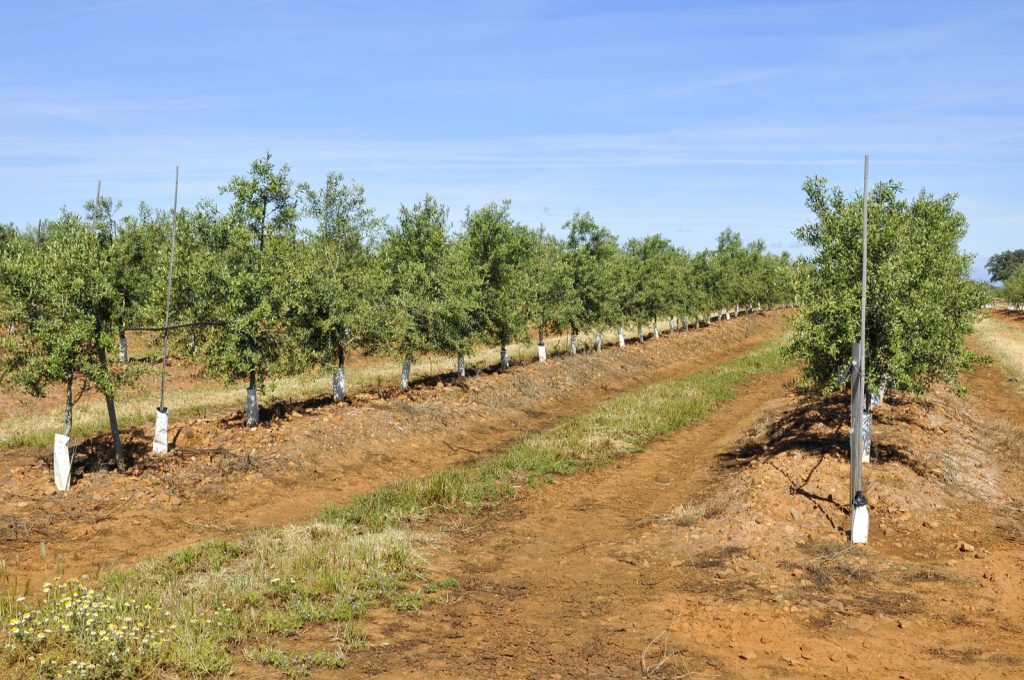
Bogaris, a diversified Andalusian business group, says it is looking to buy an olive plantation in the United States, starting with California, and to add a second operation in Chile, with both projects due to be completed before 2012. The group already farms close to 1,000 hectares of olives in Chile’s Colchagua Valley. Here is what the company has said, why a Spanish investor wants groves on the far side of the world while olive prices at home sit at their lowest in years, and what it means for the oil on American shelves.
What Bogaris announced
The plans were first reported by the Spanish agency Europa Press last weekend and set out in more detail by Olive Oil Times today. According to Manuel Moyano, the group’s commercial director, Bogaris is already “prospecting plantations in various regions of California, where there are already existing olive trees”. The second Chilean project is expected to be finished in 2011 and will be aimed at producing olive oil in bulk. Moyano said the group has no plans to expand beyond these two acquisitions in the short term.
Bogaris is not an olive company by origin. It started in 1988 as the Spanish distributor for the chemical group DuPont and today describes itself as a developer of retail, industrial and residential property, renewable energy, waste recycling and agribusiness projects. It recently reported net profit of more than 26 million euros on sales of 82 million euros.
| Bogaris in Chile | Figure |
|---|---|
| Arrived in Chile | 2006 |
| Olive groves today | 981 hectares, 941 of them in the Colchagua Valley |
| Investment to late 2009 | 23 million dollars |
| Planned investment 2010 to 2012 | 27 million dollars |
| Long-term production goal | 8 million liters of oil a year |
The Chilean figures come from Olive Oil Times and from an interview the group’s executives gave the Santiago daily La Tercera last November. At that time the company said it was among Chile’s three largest olive oil producers and was talking to local investors about 3,000 more hectares. Its general manager in Chile said the aim was to make the country a production base for the North American market.
Why a Spanish group is planting abroad
The logic is not hard to follow. Spain is coming off a season of record sales at prices that growers say do not cover their costs, as we reported last week in our note on Spain’s record year. The United States, meanwhile, keeps buying more olive oil every year and produces only a tiny share of what it eats. Moyano put the Chilean case plainly: Chile has tariff-free trade agreements and open channels to export to the United States. A grove in California goes one step further and puts the oil inside the market itself.
- Counter-season supply: Chile harvests in the southern autumn, so its fresh oil reaches the north when European stocks are months old.
- Tariffs and logistics: Chilean oil enjoys free trade access, and California oil needs no import at all.
- Channels: the group says it will look at private label oil and at restaurants and food service, not only its own brands.
Bogaris is not the first Spanish money in Chilean olives. We wrote two years ago about a Spanish venture planning Chile’s biggest olive oil operation. California already has a large grower built on the same high-density model, as our piece on California Olive Ranch planting 500,000 trees showed.
What it means for buyers
For shoppers the effect is mostly invisible, and that is the point worth knowing. Oil from a Spanish-owned grove in Chile or California is Chilean or Californian oil, and in bulk it can end up in a blend under any brand. The words that matter on a label are the country where the olives were grown and, ideally, the harvest date, not the nationality of the owner or the language on the front.
When an investor from the world’s biggest producing country buys groves overseas to make bulk oil, it is a bet on cost and timing, not on terroir. Southern hemisphere oil arriving fresh in spring is a real advantage for quality, but only if someone sells it as fresh oil. Sold in bulk, it simply disappears into a blend, and you pay a blend price for it.
Sources
- Olive Oil Times, “Spain’s Bogaris Seeks Olive Groves in the U.S. and Chile” (September 29, 2010)
- La Tercera, “Grupo español busca socio en Chile para crecer en el negocio del aceite de oliva” (November 5, 2009)