Argentina Pledges Aid for Catamarca’s Olive Growers
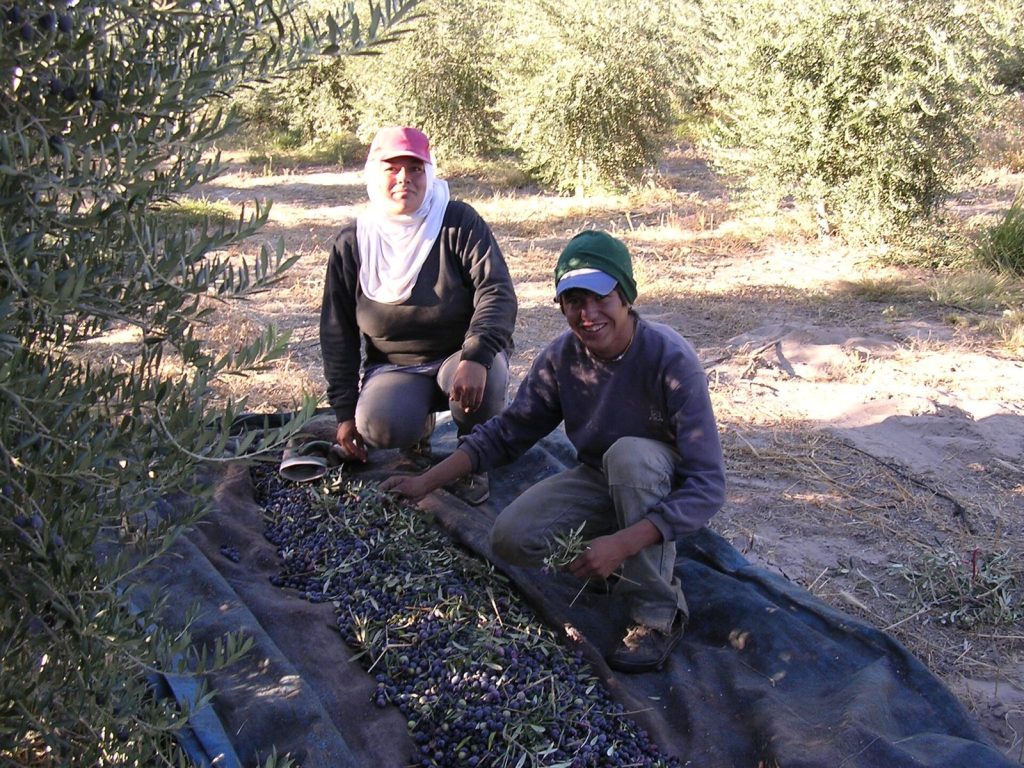
President Cristina Fernández de Kirchner has promised federal help for Argentina’s olive industry in Catamarca, after about 200 layoffs in the province’s groves and mills. The pledge was announced by Catamarca’s federal deputy Dalmacio Mera after a meeting with the President. Here is what was promised, why the country’s biggest olive province is in trouble, and what it tells the rest of us about olive oil at today’s prices.
What was promised
According to Mera, the President promised “immediate solutions to reverse the scenario and avoid further layoffs”. The help is meant to come in two stages. In the short term, the aim is to make sure this year’s harvest actually takes place, and Mera said the most pressing need is some form of subsidy to cut the cost of the coming season. Government technicians have already started arriving in the province to work out the details.
One measure is telling. Seasonal pickers worry that taking harvest work will cost them the Universal Allowance per Child (AUH), a family benefit. A presidential decree may let them keep it while they work the harvest. In the medium and long term, the government has promised to pay for varietal conversion, moving groves over to olive varieties that yield more, so that companies can close the gap between costs and returns.
| Measure | Timeframe | Where it stands |
|---|---|---|
| Subsidy to lower the cost of the coming season | Short term | Being designed; technicians in the province |
| Pickers keep the AUH child allowance during harvest | Short term | Possible presidential decree |
| Conversion to higher-yielding varieties | Medium to long term | Promised by the federal government |
| Provincial olive-sector emergency | Pending | Local legislators pushing for it |
| Municipal tax and fee relief in Pomán | Six months | Already declared earlier this year |
Why Catamarca is hurting
Catamarca is Argentina’s largest producer of olives and olive oil, and in an arid province that lives on olives, wine, tobacco, nuts and corn, the groves matter. The layoffs follow a squeeze from every side: rising costs, low crop yields, the low international price of olive oil and trouble finding workers for the harvest.
The groves themselves are young. The International Olive Council’s country profile explains that an investment incentive law, Law 22,021, drew large plantations into the arid valleys of La Rioja, Catamarca and San Juan, where rain is under 300 mm a year and there was little road or power infrastructure. By 2000, Catamarca and La Rioja together held 54.5 percent of Argentina’s olive area. The IOC describes them as large investments tied to industrial projects, which is another way of saying they need volume and a fair price to pay off.
The trouble did not start this month. Earlier this year the department of Pomán declared a state of emergency in its olive sector, freeing olive companies from municipal taxes and fees for six months, after fifty layoffs in two weeks. At the time, Pomán’s mayor, Francisco Gordillo, criticized both the provincial and federal governments for having no policy to deal with it.
Provincial legislator Egle Altamirano now wants Catamarca to declare an olive-sector emergency of its own, so that the support being designed in Buenos Aires can move faster. As she put it to local media, the issue will not be solved until the provincial decree comes out.
What it means beyond Argentina
It is easy to think of the olive oil price slump as a European story, told in Jaén and Brussels. Catamarca shows how far it travels. Argentina sells around half of its olive oil abroad, according to the same IOC profile, and it has been setting export records for years. But an exporter takes the world price, and the world price is set by whoever has the most oil to sell. When European bulk oil is cheap, a young grove on the other side of the world has to match it or sit on its tanks.
Three things are worth watching:
- Labor. Hand harvesting is one of the biggest costs in a traditional grove. If pickers will only come when they can keep their benefits, margins are thinner than anyone admits.
- Variety. Converting groves to higher-yielding varieties is a long game. Whatever gets grafted or planted this year will not change the numbers this season.
- Investors. Foreign companies have bought into Argentine olives, including Australia’s largest olive oil company. They will be reading this news as closely as the growers.
Argentina also has something no subsidy can buy: its own olive, the Arauco, and a real chance to sell character rather than volume. That road is slower, but it is the one that does not depend on the price in Spain.
When a producing region is in distress, the first thing to suffer is rarely the price on the shelf. It is the harvest timing. Short of cash and short of hands, growers pick late, fruit waits longer before the mill, and the oil loses the freshness that made it worth buying. If you like an Argentine label, taste the new season’s bottle before you buy a case.