Syria Picks a Record Olive Crop in a Country in Turmoil
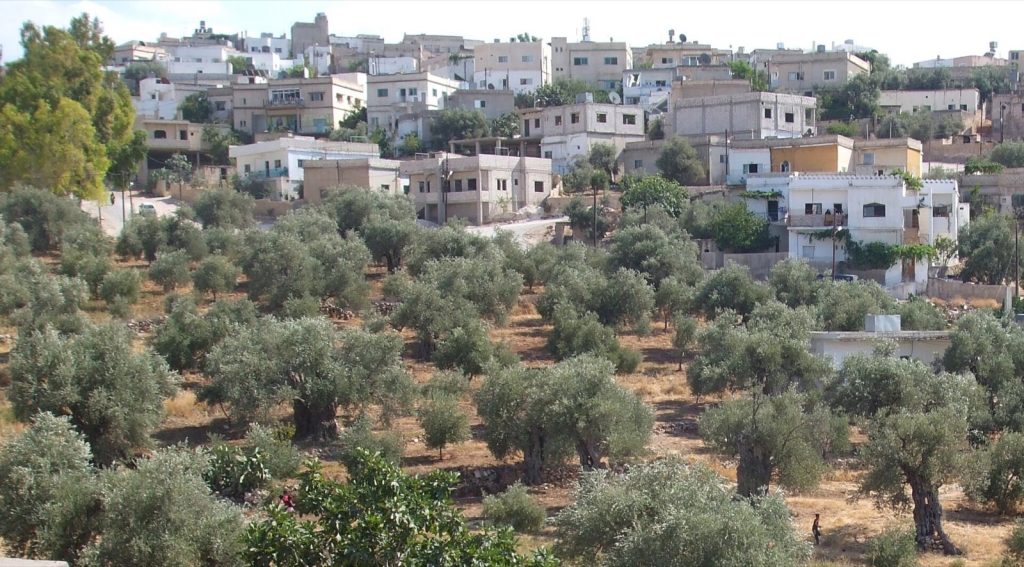
Syria is picking what looks like its largest olive crop on record, with the agriculture ministry forecasting about 175,000 tons of oil and the International Olive Council putting the figure nearer 200,000 tons, while the country goes through months of upheaval. The picking started a few weeks ago on the Mediterranean coast and will run until February. Here is who that harvest feeds, and what the unrest could do to it.
The crop
Favourable weather is the reason given for the size of the crop. On the council’s first estimates for the 2011/12 season, published in the summer, Syria was already expected to be up about 11 percent on last year at around 200,000 tons, which would put it among the top handful of producers in the world. Syria is also a major table olive country, with a crop forecast around 165,000 tons.
The domestic market absorbs most of it. Syrians are among the heaviest olive oil consumers anywhere, at roughly five liters a head each year, and olives account for something like 8 percent of the country’s farm output. More than 100,000 families depend directly on olive growing, and the picking alone is reckoned to provide around 13 million days of work a year, in a season that lasts only a few months.
Exports are modest against that: about 25,000 tons last year, most of it sold in bulk.
What the unrest changes
Harvesting olives is local work. Families and neighbors pick, the fruit goes to a nearby mill, and the oil is stored at home or sold to a trader. That structure is more resilient to disruption than an export crop that needs ports, refrigeration and paperwork, which is why the picking has gone ahead when so much else has not.
The fragile parts are further down the chain: moving oil between provinces, getting paid, buying fuel for the mills, and selling abroad. A record crop in a country where buyers are nervous is not a windfall. It is a lot of oil looking for a home at whatever price it can find, and that usually means bulk sales at the bottom of the market.
- A record crop with weak exports tends to push local prices down, not up.
- Bulk sales hide origin. Syrian oil has long moved into the regional trade without a Syrian name on it.
- Quality is the constraint growers themselves name, not volume.
The quality problem
One Syrian producer quoted this week put the issue plainly: Syrian farmers lack high quality production techniques and the government needs to address it, because the oil is good but international buyers want high and stable quality. That is the same sentence I have heard from growers in a dozen countries, and it is always about the same three things: picking earlier, milling sooner, and storing the oil away from heat and air.
None of that is expensive compared with planting trees. It is a matter of organization, and organization is exactly what a country in turmoil cannot supply this year.
We have followed the Syrian crop for years, from its scale in the middle of the last decade to the trade fairs that were meant to build an export business. The region’s weather risk is a constant too, as Jordan found in its drought.
Oil does not carry a passport once it is in a tanker. In a year when a producing country is in trouble, its oil does not vanish from the market; it moves at a discount into blends bottled somewhere calmer, and the label names the bottler’s country, not the grove’s. If origin matters to you, buy oil with a named estate or a protected designation, not oil with a flag on the front.