Chinese Investors Buy Kailis Organic Olive Groves for $15 Million
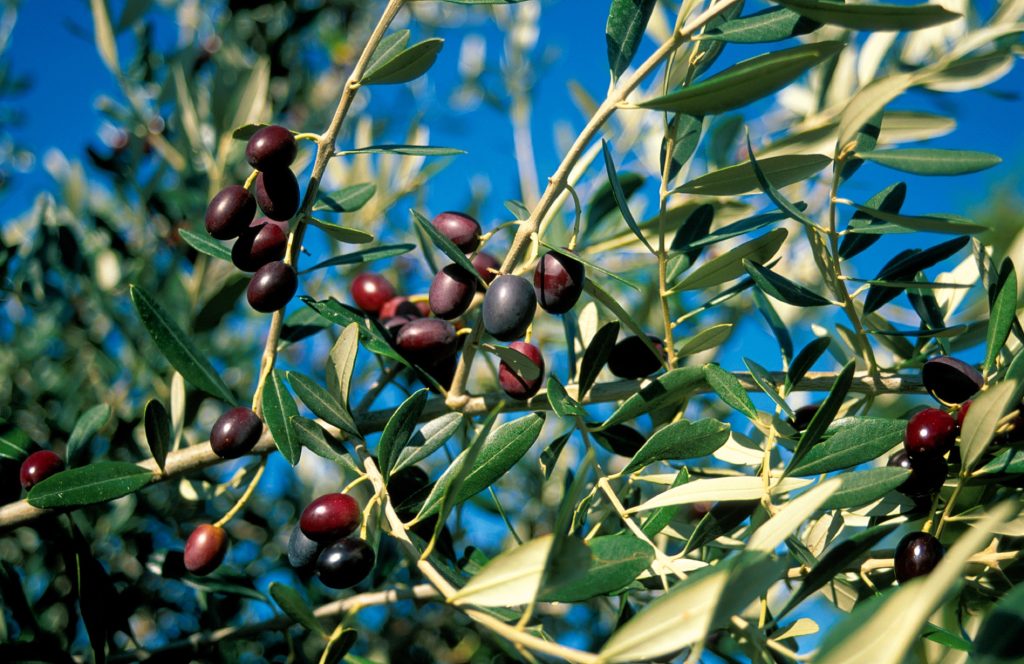
Kailis Organic Olive Groves, the Western Australian organic olive oil company that collapsed under $18 million of debt last year, has been sold to a group of six Chinese investors for about AUD 15 million. The receivers say the business goes on as before, staff included. Here is who bought what, why a grove that never made money still found a buyer, and what it says about the Australian olive business.
What happened
Olive Oil Times, citing The West Australian, reports that six investors from China have signed a deal worth AUD 15 million for the company built by Mark Kailis, son of Red Rooster founder Peter Kailis. Scott Langdon of KordaMentha, the receivers appointed by Westpac, said the business “sold as a going concern with all employees transferred to the new entity.” He called it “a pleasing result,” with the organic business set to continue into South East Asia.
The price is almost exactly what the bank was owed. When KordaMentha took control in December 2011, the Greek-Australian paper Neos Kosmos reported total debts of $18 million, of which $15 million was owed to Westpac.
| Kailis Organic Olive Groves | Figure |
|---|---|
| Sale price | About AUD 15 million, six Chinese investors |
| Debt at receivership (Dec 2011) | $18 million, $15 million of it to Westpac |
| Land | About 3,900 hectares, 1,800 of them planted with olives |
| Properties | Preston Valley, Avon Valley, Twin Brooks, Dandaragan |
| Annual revenue before collapse | $5 million to $7 million |
| Capital raised in 2010 | $25.5 million |
How Kailis got here
The company started around the turn of the century and grew into one of the biggest organic olive oil producers anywhere, selling into more than 250 Australian stores and exporting to seven countries, according to SmartCompany. In 2010 it bought the olive groves and processing assets of Great Southern, one of the managed investment schemes whose collapse shook Australian olive growing (Australian Olive industry says MIS collapses won’t hold it back). It raised $25.5 million from family and private investors that year.
The trouble was the price of oil. SmartCompany reported that the business had never traded profitably, a planned $30 million share float never happened, and a fresh capital raising in 2011 failed. With world prices dragged down by Spain’s big crops, administrators from McGrathNicol were called in in November 2011 and Westpac’s receivers followed a few weeks later, putting everything up for sale.
Why Chinese buyers, and what it means
According to Olive Oil Times, people close to the deal saw it as another sign of a growing affluent class in China and elsewhere in Asia looking to put money into foreign farmland and food. China’s own olive oil imports are growing fast from a small base, and an organic Australian brand with its own groves fits that market well.
- For Western Australia, the groves stay in production and the jobs stay local, which was far from certain a year ago.
- For the Australian industry, it is a reminder that some of the big corporate plantings of the 2000s were built on price hopes that did not arrive. Timbercorp’s collapse in 2009 was another, and large olive assets have changed hands before (Australia: Olea sells off olive assets in $18m deal).
- For shoppers, nothing changes on the shelf for now. The oil comes from the same trees.
Olive groves are a slow asset. A new plantation takes years to reach full crop, and the money is borrowed at the start, so any grove company that plants big on the assumption of high prices is exposed the first time prices fall. The second owner, buying out of receivership at the price of the bank debt, often does much better than the first. The trees did not change. The cost of the land did.
Sources
- Olive Oil Times: Chinese Investors Purchase Australia’s Kailis Organic Olive Oil
- Neos Kosmos: Kailis olive business in receivership
- SmartCompany: Organic olive oil business run by the Kailis family placed in administration