How Green Olives Become Edible: Curing, Explained
Bite a fresh olive off the tree and you will spit it straight out — it is savagely bitter. Curing is the ancient fix, and there are only four real ways to do it. Understand the one compound behind the bitterness and every method suddenly makes sense.
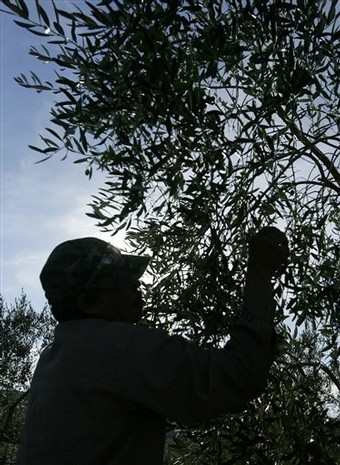
An olive straight off the branch is not food. It is a hard, waxy, mouth-puckering little fruit loaded with a phenolic compound called oleuropein, and no amount of chewing will make it pleasant. Every culture that has ever eaten olives worked out the same thing independently: you have to draw that bitterness out first. That single problem — get the oleuropein down to a level a human can enjoy — is the whole of curing. Everything else is a choice about how fast, how gentle, and what flavour you want at the end.
Why raw olives are inedible
Oleuropein is concentrated in the flesh and it is intensely, aggressively bitter — nature’s way of stopping animals from eating the fruit before the seed is ready. The good news for us is that it is water-soluble, so it can be soaked out, and it can also be chemically broken down by an alkali. Alongside removing bitterness, a cure has a second job: salt, which both seasons the fruit and preserves it against spoilage. Bitterness out, salt in — hold those two ideas and the rest is just method and patience.
The four classic methods
Water-curing soaks the olives in plain fresh water, changed daily, for one to three weeks — the slowest and most delicate route, leaving the fruit’s own flavour front and centre. Brine-curing submerges them in salt water for weeks to months; a slow, natural fermentation builds complexity, and this is how most green table olives you buy are made. Dry-salt curing packs ripe black olives in coarse salt, which pulls out moisture and bitterness together and leaves the intense, wrinkled olives you find dressed in oil. Lye-curing uses a food-grade alkaline soak to break oleuropein down chemically in hours — fast, but it demands care and thorough rinsing, and it is the commercial standard for Spanish-style green and California black olives.
Which method for which olive
The cure should suit the fruit. Firm green olives take brine or lye happily; soft, fully ripe black olives are made for dry salt. If you are curing at home for the first time, brine is the friendliest — forgiving, hands-off, and hard to get dangerously wrong. Water-curing is gentler still but needs discipline with the daily changes. Save lye for when you understand it: it is the only method that involves a caustic chemical, and there is no room for shortcuts.
| Method | Time | What it does | Best for |
|---|---|---|---|
| Water | 1–3 weeks | Leaches oleuropein in plain water, changed daily | Mild, fleshy varieties; gentlest flavour |
| Brine | Weeks–months | Salt-water soak; a slow ferment adds complexity | Most green table olives; easiest at home |
| Dry salt | A few weeks | Coarse salt draws out moisture and bitterness | Ripe black olives; wrinkled, intense styles |
| Lye | Hours + days of rinsing | Alkali breaks oleuropein down chemically | Fast, commercial scale; needs real care |
What the four cures have in common
- They all target oleuropein — that is the entire point; the differences are speed and flavour.
- Salt is non-negotiable — every finished cure ends in salt or brine to season and keep the olives.
- Ripeness matters — green olives are firmer and more bitter, black ones softer and milder, and that steers your choice of method.
- Patience pays — the fast methods trade time for chemistry; the slow ones trade chemistry for flavour.
Curing olives: common questions
Why can’t you eat olives straight off the tree?
Because they are packed with oleuropein, a naturally bitter phenolic compound. It has to be leached out or broken down — that is what curing does — before an olive is pleasant to eat.
What is the easiest way to cure olives at home?
Brine-curing. A clean jar, a roughly ten-percent salt brine, the olives kept submerged, and a few weeks of patience. It is forgiving and needs almost no daily attention.
Which cure is fastest?
Lye-curing — a food-grade alkali breaks the bitterness down in hours rather than weeks. But it involves a caustic chemical and demands careful, repeated rinsing, so it is not the beginner’s choice.
Do all cured olives need salt?
Yes. Even after the bitterness is gone, salt seasons the fruit and preserves it. Every finished cure ends in salt or a brine.
Are green and black olives cured differently?
Often, yes. Firm green olives suit brine or lye; soft, fully ripe black olives suit dry salt. The fruit’s ripeness and texture guide the method.
Here is the thing the label rarely admits: the cure defines the olive far more than the variety does. The same fruit, brined, water-cured or dry-salted, tastes like three different products. So when someone tells you they ‘don’t like olives,’ they usually mean they don’t like one cure — often the flat, factory lye-and-canned black olive. Get them a good brined or dry-salt olive and watch them change their mind. Method, not variety, is the lever.
Standard olive-processing practice; UC ANR home-pickling guidance and general food-science references on oleuropein removal.